The return of demobilized military personnel to civilian life requires a systematic approach that includes medical recovery, psychological support, and professional adaptation. Major industrial enterprises are implementing multi-level veteran reintegration programs that cover not only jobs, but also social activity. One of the key areas of such support is the development of adaptive veteran sports, helping fighters overcome the consequences of severe wounds and injuries.
A systematic approach to veteran reintegration
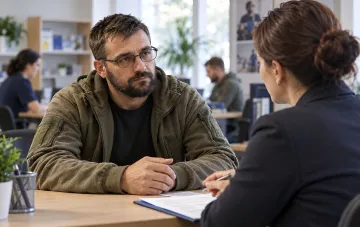
Interpipe began building a comprehensive support system for demobilized employees back during the anti-terrorist operation, and since 2023 has scaled this experience for participants in the full-scale invasion. The reintegration program is built on a clear step-by-step algorithm, where the first stage is not returning to production, but full physical and emotional recovery. Fighters undergo an expanded medical examination at the corporate clinic, after which they enter the Veteran Support Center, where professional psychologists, physical therapists, and masseurs work with them.
If necessary, veterans are provided with legal assistance to process required payments and status. Only after completing the rehabilitation course is the issue of employment decided: if an employee cannot return to their previous workplace due to health conditions, plant management together with HR specialists selects a suitable vacancy for them. To ensure a smooth entry into the work process, a mentor is assigned to each veteran.
Development of veteran sports and team spirit
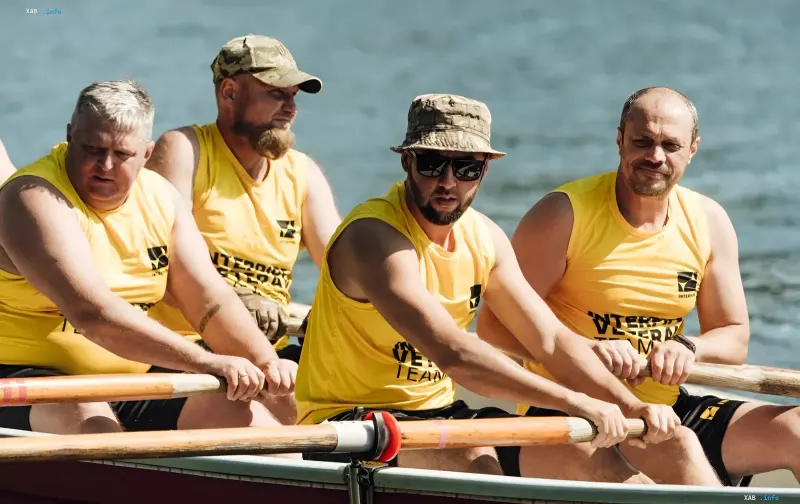
In addition to medical and labor support, the company organizes regular supportive events for veterans and their families, including country excursions, master classes, and fishing. It was from such informal meetings that a new direction grew — adaptive veteran sports. Last summer, the Dnipropetrovsk Region Marine Multisport Federation offered company employees to try their hand at coastal rowing in yawls, traditional Cossack boats with a crew of six athletes.
Most members of the new team have severe wounds and injuries sustained during service behind them. One striking example of successful rehabilitation through sports is Oleksandr Tokarev, who worked as a repair locksmith in pipe production before the war, and after serving in the National Guard and back surgery retrained as a company driver. Regular training on the water and participation in competitions allow veterans to recover psychologically faster and find support among combat comrades.
The importance of adaptive sports for the future of veterans
The development of veteran sports at industrial enterprises demonstrates high efficiency in issues of social adaptation and overcoming post-traumatic stress disorder. Participation in team disciplines, such as yawl rowing, returns a sense of camaraderie, discipline, and competitive spirit to former servicemen that were lost after demobilization. The experience of implementing comprehensive reintegration programs is becoming a benchmark for Ukrainian business, showing that caring for defenders goes far beyond simply preserving jobs.