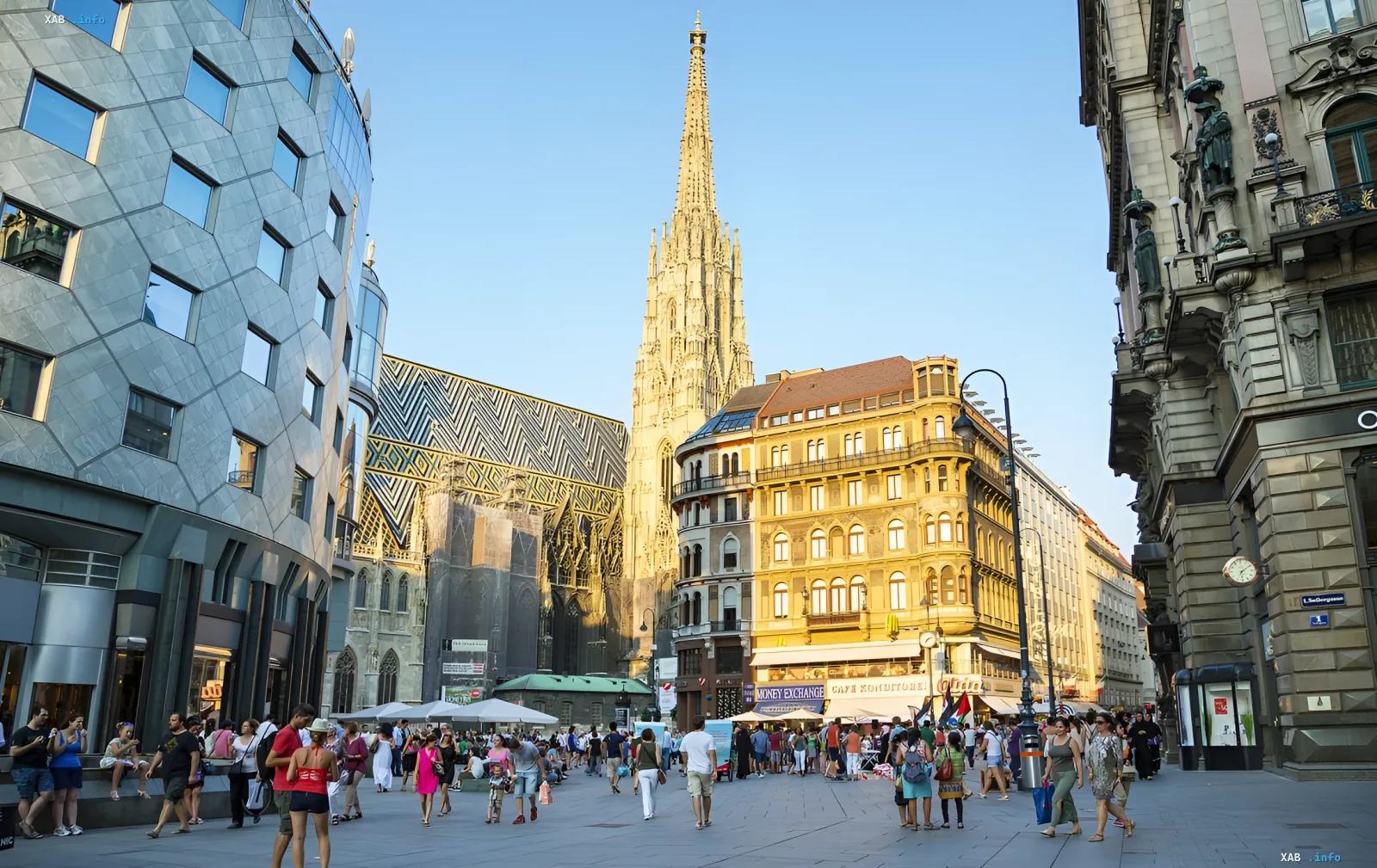
Vienna officially joins the ranks of Europe's most expensive tourist destinations. City authorities have announced a major reform of the tourist levy, under which the tax for travelers will more than double. This decision aims to compensate for the growing strain on urban infrastructure, but it is already provoking a strong reaction in the business community.
Stages of price increase: from 3.2% to 8%
Changes in the capital of Austria's tax policy will take place in stages. Previously, tourists paid 3.2% of the cost of accommodation. As of July 2024, the rate was already raised to 5%, but, according to officials, this is just the beginning of the transformation. By July 2027, the levy will reach 8%.
The main goal of the reform is to make guests of the city honestly pay for the use of infrastructure. The constantly growing flow of tourists creates colossal pressure on the road network, public transport, and municipal services of Vienna.
Hoteliers' alarm: "Patching holes in the budget"
Representatives of the hotel industry react extremely negatively to the new regulations. Martin Stanic, a representative of the Austrian Hotel Association, warns that the new tax will become the second largest in Europe. According to him, only Amsterdam currently collects more from tourists.
Businessmen are worried about the future of the industry. Hotel expenses are already rising rapidly due to the increasing cost of energy, food, and labor. Entrepreneurs are convinced that the authorities are trying to compensate for the budget deficit at the expense of an industry that is already under pressure.
Risk of losing clients and competition with Bratislava
Travel agencies are also expressing disappointment. The situation is exacerbated by the fact that travelers already pay a 12 euro tax on each airline ticket, which reduces the overall attractiveness of the destination.
Gregor Kadanek, head of the Austrian Travel Agency Association, cited an alarming example: low-cost carrier Ryanair is increasingly redirecting flights to Bratislava. The Slovak capital is in close proximity to Vienna but is a significantly more affordable option for tourists.
Authorities' position: investment in the future
At the same time, Vienna's authorities call the increase in the levy a "distribution of responsibility." Their argumentation is based on the fact that tourists receive first-class service and reliable transport, for which they must pay.
Isabella Rauter, a representative of the Vienna Tourist Board, stated that tourism benefits from the maintenance and expansion of urban infrastructure. In her opinion, the local tax is an investment in the future of the destination, contributing to the improvement of the city not only for guests but also for local residents.