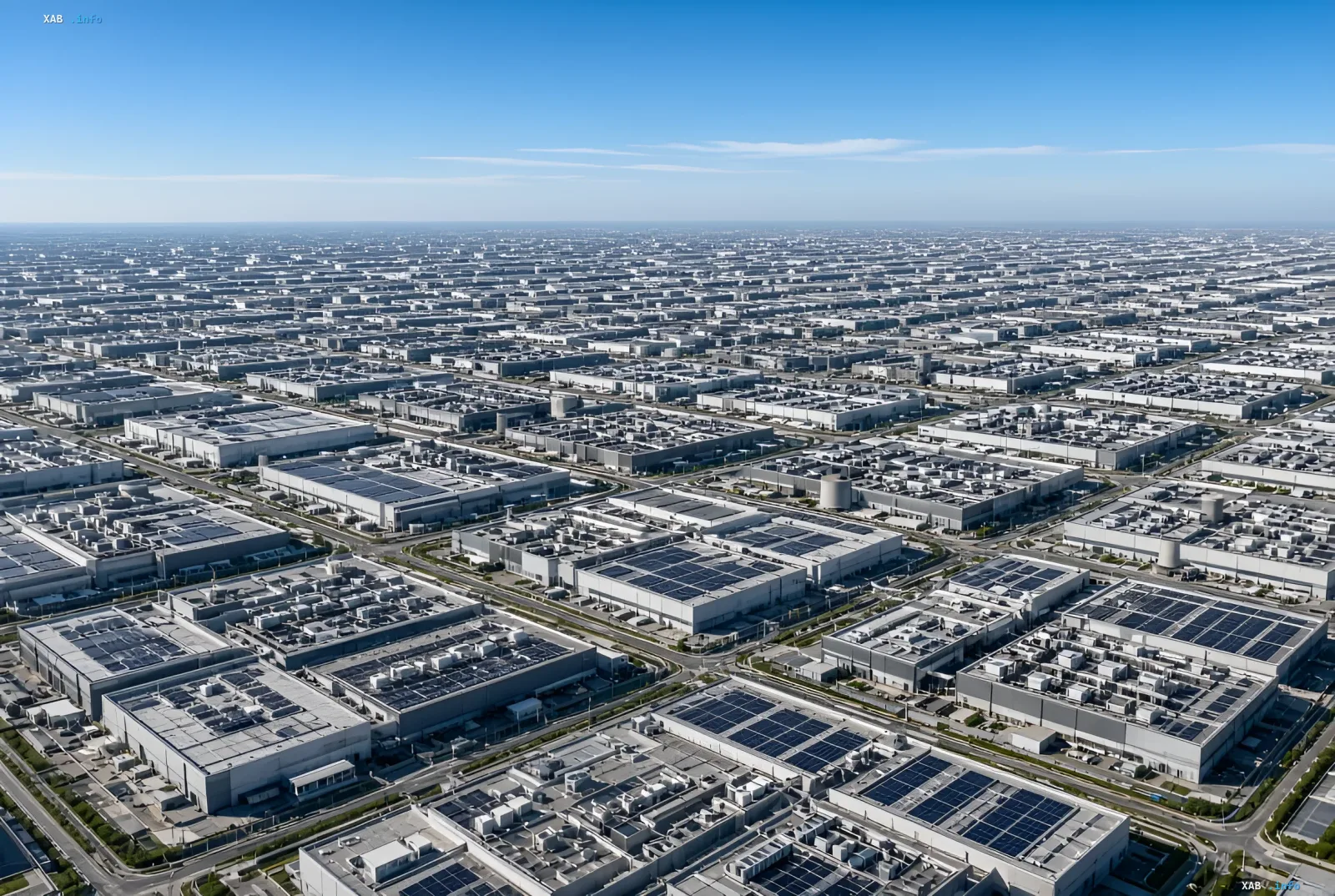
While Texas authorities have decided to completely suspend the construction of new data centers (DCs) to conduct a comprehensive audit, Virginia has chosen a different path to resolve the energy crisis. Virginia, being the largest hub for data centers in the United States, has faced an unprecedented rise in electricity tariffs for ordinary citizens. In response, the state's Governor, Abigail Spanberger, announced the introduction of new strict regulations: data center operators are now required to independently finance the construction of all necessary energy infrastructure needed for their operations.
Energy crisis and rising tariffs for the population
The massive influx of data centers serving the needs of artificial intelligence has led to an overload of Virginia's power grids. Until recently, the costs of network modernization and the construction of new power lines were borne by all consumers, resulting in a sharp increase in utility costs for households. The situation reached a critical point in the spring of 2026, when PJM Interconnection — the company managing the power grid in the region — announced an increase in wholesale electricity prices. In some cases, the increase reached up to 76% in a short period, causing widespread public resonance and criticism of the regulators.
New regulation: the "polluter pays" principle
Governor Abigail Spanberger, in her statement, emphasized that the state cannot afford a situation where ordinary families pay for the energy infrastructure of corporate giants. According to the new directive, data center operators planning expansion or the construction of new capacities must fully cover the costs of connecting to the networks. This includes not only connection to the nearest substation but also the modernization of main lines if the current infrastructure cannot handle the load. This decision aims to relieve the financial burden on the population and shift it to those generating ultra-high demand.
Difference in approaches: Texas vs. Virginia
Events in Virginia are taking place against the backdrop of a parallel crisis in Texas, where authorities have taken a radical measure — a complete moratorium on the construction of new AI data centers. The Texas approach is aimed at a pause to conduct an audit of the security and resilience of the energy system. Virginia, however, without halting the development of the sector, is trying to solve the problem through economic regulation. Virginia remains the leader in the number of data centers in the US, and a halt in construction here could deal a colossal blow to the state's economy and the country's technology sector as a whole.
Contradictory data
Despite the governor's clear stance, the details of implementing the new law remain a subject of debate. Sources note that the exact wording of how the operators' obligations will be calculated is currently unclear. Experts point out that the lack of a detailed mechanism for distributing costs could lead to legal disputes and project delays. On the one hand, the government insists on full payment for infrastructure, while on the other, the industry fears that uncertainty in calculations could make projects economically unviable.