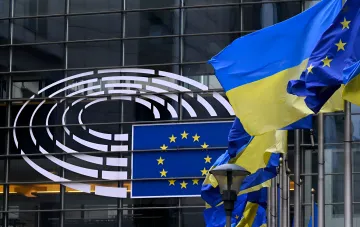
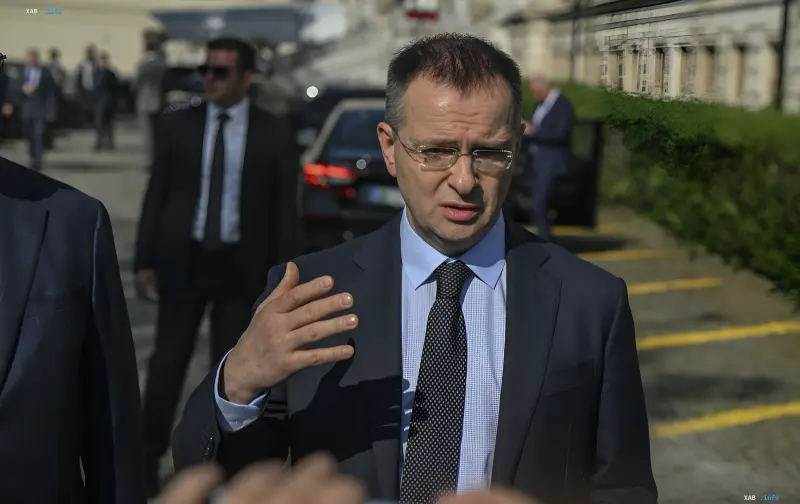
The European Union has approved a new, 21st package of sanctions against Russia, which includes Vladimir Medinsky, an aide to the President of the Russian Federation and a historian. Brussels authorities justified this decision with his role in state propaganda and his participation in negotiations with Ukraine, which, according to the EU, were accompanied by manipulations.
Central figure of propaganda
In the explanatory note to the sanctions, the EU press service calls Medinsky a long-time aide to Vladimir Putin and a key figure in government propaganda. The European Commission points to his authorship of textbooks in which Ukraine is presented as part of the "Russian world." In addition, Medinsky is accused of defending the "special military operation" and denying the facts of the abduction of Ukrainian children.
The official conclusion of Brussels states: Medinsky's actions undermine the territorial integrity and sovereignty of Ukraine. The document also notes that he hinders the work of international organizations through coordinated information manipulation.
Negotiator with a historical background
Medinsky has repeatedly acted as a negotiator on behalf of Moscow. In 2025, he headed the Russian delegation at negotiations with Ukraine in Turkey. Earlier, in February of the same year, he participated in meetings in Geneva, where, according to eyewitnesses, he focused on historical excursions — in particular, he told about the Baptism of Rus', trying to justify the "greatness of Russia".
Biography and political career
Vladimir Medinsky was born in the Cherkasy region of Ukraine. Subsequently, he became a deputy of the State Duma of the Russian Federation from the "United Russia" party and took the post of aide to the President. His career is closely linked to ideological work and the promotion of the state agenda.
Context of sanctions
The 21st package of sanctions was approved by the EU on July 23. It includes restrictions against both businesses and individuals. The inclusion of Medinsky in the sanctions list underscores that Brussels views him not just as an official, but as an active participant in the information war against Ukraine.
Details about Medinsky's role in peace negotiations and the reasons why Putin repeatedly sent him can be found in the RBC-Ukraine article.