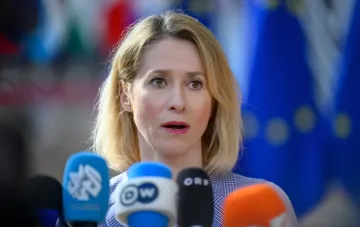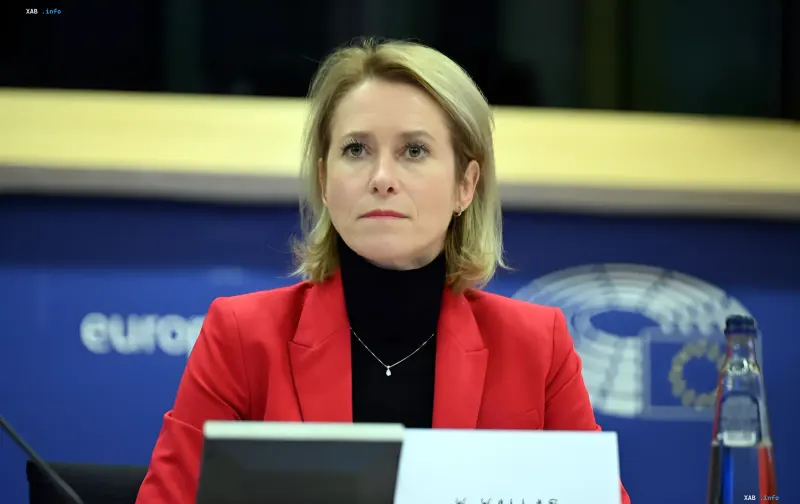
Kaja Kallas, the EU High Representative for Foreign Affairs and Security Policy, announced the launch of a new high-level working group on defence issues following an informal meeting of EU defence ministers in Ireland. According to her, the group will be formed next week and will include senior political and military leaders from several EU countries, as well as representatives from the United Kingdom and Ukraine. This was reported by RBC-Ukraine, citing a Ukrinform correspondent.
Composition and format: who will join the group
Kallas emphasized that the specific names of the Ukrainian representatives who will take part in the group's work will be announced at the launch ceremony next week. The High Representative noted that significant interest in the project has been shown by various parties, including the private sector, which, in her words, is putting forward ideas for improving defence capabilities. Thus, the group will have not only a state but also an industry character, which distinguishes it from traditional mechanisms for coordinating defence policy within the EU.
Priorities: speed and closing gaps in conventional force
Justifying the need for a new mechanism, Kallas acknowledged that Europe, despite unprecedented-scale investments in defence, had not been fast enough to fill the gaps in conventional force that had emerged within NATO. "Spending alone does not guarantee success," she stated. According to Kallas, the goal of the working group is to bring together "the brightest minds in security and defence" to develop unconventional solutions on how to accelerate the closing of these gaps and make Europe's defence "more real and effective."
Sanctions pressure and support for Ukraine amid intensified strikes
The announcement of the defence group came against the backdrop of ongoing sanctions pressure on Russia. On August 7, EU countries agreed on new restrictions against five representatives of the Russian military-industrial complex. On the same day Kallas announced the creation of the working group, she called for interceptor missiles with an extended shelf life to be transferred to Ukraine amid intensified Russian strikes on Ukrainian territory. Earlier, Kallas had also stated her intention to summon the head of the Russian mission to the EU for clarification on a number of issues.
Outlook: what comes next
The launch of the high-level defence working group will be one of the EU's first practical steps toward institutionalizing defence cooperation in an expanded format that goes beyond the traditional 27 member states. The inclusion of the United Kingdom and Ukraine in the group, as well as the involvement of the private sector, signal Brussels' desire to create a more flexible and operational decision-making mechanism in the security sphere. The final composition of participants and the group's specific mandates will be presented at the launch ceremony next week.