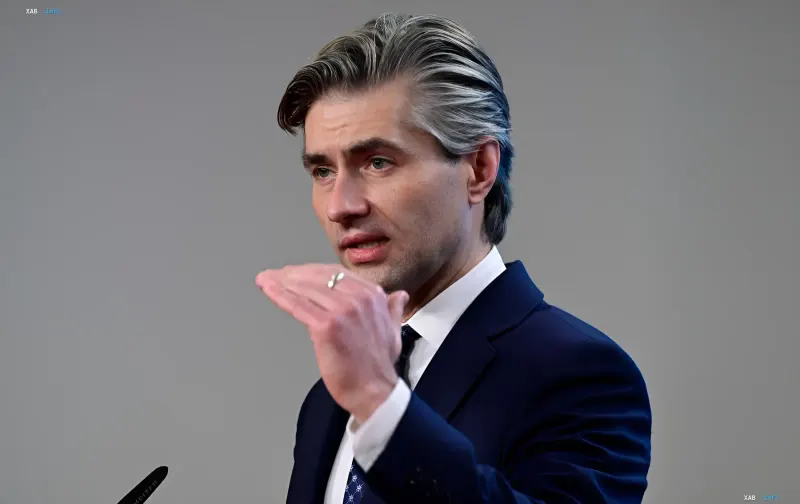
Lithuania, preparing to assume the presidency of the Council of the European Union, has officially set the key directions of its work for the upcoming period. This was announced by Lithuanian Foreign Minister Kastytis Budrys in a statement published on the social network X (Twitter) following the annual meeting of Lithuanian ambassadors. Among the stated priorities are security and defense, transatlantic unity, EU enlargement, and unconditional support for Ukraine. According to the minister, Europe has a choice: to react to challenges or to lead the process, and Vilnius is consciously choosing the latter path.
Diplomatic Context: Meeting with Kaja Kallas
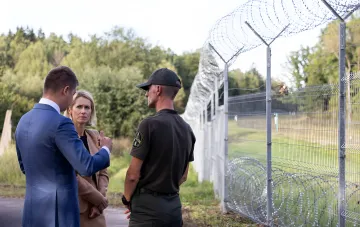
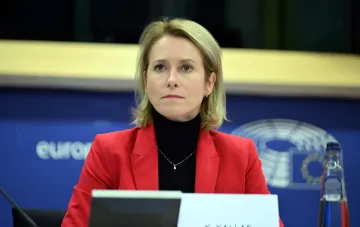
Budrys's statement came against the backdrop of an exchange of views with the head of EU diplomacy, Kaja Kallas, whom he met at the annual conference of Lithuanian ambassadors. It was in this format that the minister outlined the strategic framework for the future presidency, emphasizing that Lithuania intends not merely to administer the agenda but to actively shape it. The emphasis on transatlantic unity indicates that Vilnius views ties with NATO and the United States as an integral component of European security amid the ongoing conflict in Ukraine.
Sanctions Policy and Support for Kyiv
The practical substance of the course to "lead rather than react" was outlined by Budrys in three specific directions. The first is stronger support for Ukraine, which, according to the previously stated position of Lithuanian President Gitanas Nausėda, includes accelerating the opening of the remaining negotiation clusters for Kyiv during the Lithuanian presidency. The second is tightening sanctions pressure on Russia and Belarus. The third is accelerating the European integration of Ukraine and Moldova, that is, advancing them on the path to EU membership. Nausėda, however, noted that the pace of progress also depends on Ukraine's own fulfillment of its commitments.
EU Enlargement as a Geopolitical Tool
Including enlargement among the priority directions of the presidency is no accident: Lithuania has traditionally been one of the most active proponents of the eastern vector of integration. For Vilnius, supporting the Eurointegration of Ukraine and Moldova is not only a matter of solidarity but also an element of its own strategic security, allowing it to consolidate a buffer zone between the EU and Russia. At the same time, the emphasis on defense and security reflects the Baltic states' concern about the threat from Moscow and Minsk, especially in the context of ongoing military operations.
Limitations and Caveats
It should be noted that the information on the presidency's priorities is based on the public statement of a single official — the Lithuanian Minister of Foreign Affairs. The specific mechanisms for implementing the stated intentions, as well as the positions of other EU member states on accelerating the sanctions regime and opening clusters for Ukraine, are not yet confirmed by additional sources. Moreover, the decision-making process in the EU Council requires consensus or a qualified majority, which means that even with an active stance from the presidency, the final decisions will depend on the alignment of positions of all 27 member states.