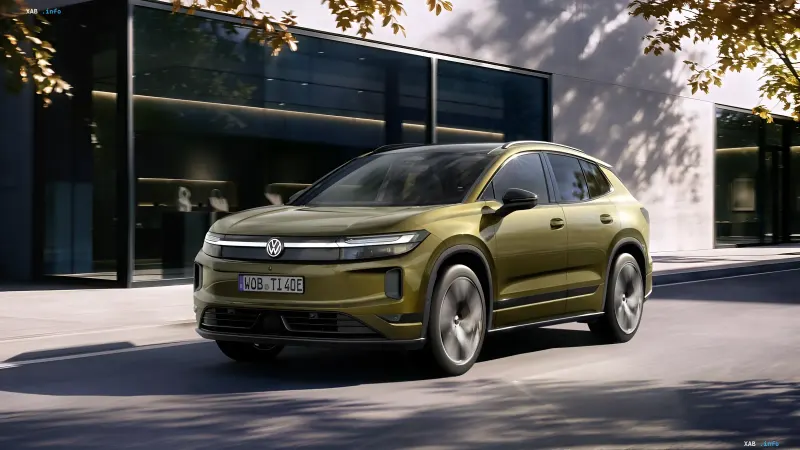
Mass production of the new ID. Tiguan electric crossover has started at Volkswagen's plant in Emden, Germany, with the first vehicles rolling off the assembly line. The new model effectively replaces two vehicles at once, the ID. 4 and ID. 5, whose combined sales since 2021 have exceeded 950,000 units. Thus, the automaker is consolidating its two electric crossover lines into a single model designed to become the brand's primary electric crossover for the coming years.
Dropping Numbers: Why the Crossover is Named Tiguan
The transition to the Tiguan name is part of Volkswagen's new strategy to abandon the previous digital naming system for electric vehicles. The company expects that buyers will find it easier to relate to electric models with familiar names. This is all the more logical since the conventional Tiguan is one of the brand's most successful vehicles: more than 9 million units of this family have been produced since 2007, and the brand is transferring this built-in recognition to the electric version.
Design: Returning to Familiar Proportions
Visually, the ID. Tiguan differs noticeably from the previous ID. 4. Instead of a streamlined body with rounded shapes, the crossover features a more vertical front end, a massive fascia, and rectangular proportions reminiscent of the gasoline-powered Tiguan. The door handles have also changed: instead of awkward concealed push-button elements, traditional mechanical pull handles are now used — another step toward making the electric model look and feel like a "real" Volkswagen.
Interior: Physical Buttons Return
One of the biggest changes has taken place in the interior. Volkswagen listened to complaints from owners of previous models and brought physical buttons back to the steering wheel and beneath the central screen — drivers no longer have to fumble for touch sliders by feel to adjust volume and temperature. This decision fits into a wider corporate strategy: according to press reports, starting with the production version of the ID. 2, all new Volkswagen models will feature at least five core functions controlled via physical buttons, a response to the criticism the brand faced after launching the Golf VIII, where controls were moved almost entirely to the touchscreen. A 10-inch digital instrument cluster sits in front of the driver, a 15-inch infotainment screen is in the center, and an additional 12-inch display for the front passenger is available as an option.
MEB+ Platform, Range, and Unusual Features
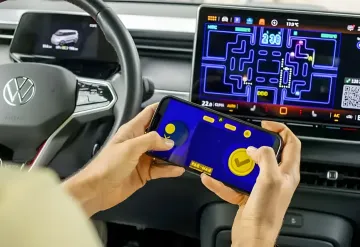
Underpinning the crossover is the upgraded MEB+ electric platform. Buyers are offered two battery packs and three powertrain variants. The maximum WLTP range reaches 607 km, while the base version offers 450 km — roughly 40 km more than the previous ID. 4. However, in cold weather with the heater running, the range of the 77 kWh battery version drops to 425 km. Under the hood, there is a 32-liter front trunk, while the main trunk capacity stands at 534 liters. The charging port features a built-in outlet that can power power tools or charge an e-bike. There is also an unusual Retro Mode function: it switches the graphics of the instrument cluster and infotainment screen to a vintage Volkswagen styling style — in the "virtual garage," drivers can choose one of six brand classics: Golf I, Golf II Country, Golf IV, the first-generation Tiguan, Race Touareg, or the classic Beetle.
Pricing and Competitors
In Germany, the Volkswagen ID. Tiguan starts at a minimum of 42,695 euros. Key competitors include the Renault Scenic E-Tech, Skoda Enyaq, and electric crossovers from Chinese manufacturers actively encroaching on the European segment. For Volkswagen, betting on a familiar name, traditional physical controls, and increased range looks like an attempt to win back customers who were turned off by the touch-only interfaces and "digital" names of the previous generation.