German automaker Volkswagen has agreed to sell its plant in Osnabrück (Lower Saxony) to the federal state and a financial investor. The facility is planned to be gradually converted into a defense industry site, preserving a significant portion of jobs, the company's press office reported. The decision is positioned as a precedent-setting step for the German automotive industry.
Deal structure and the first defense project
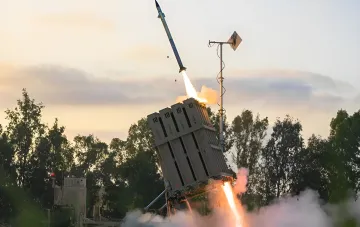
The first defense project on the plant's site will be the production of air defense systems by the Israeli company Rafael — the developer of the well-known Iron Dome system. The project is to be realized with the involvement of investments from the Israeli investor Aurelius Capital. As planned, the facility will produce air defense systems and components for the needs of Germany and other European countries.
Jobs and Volkswagen's role
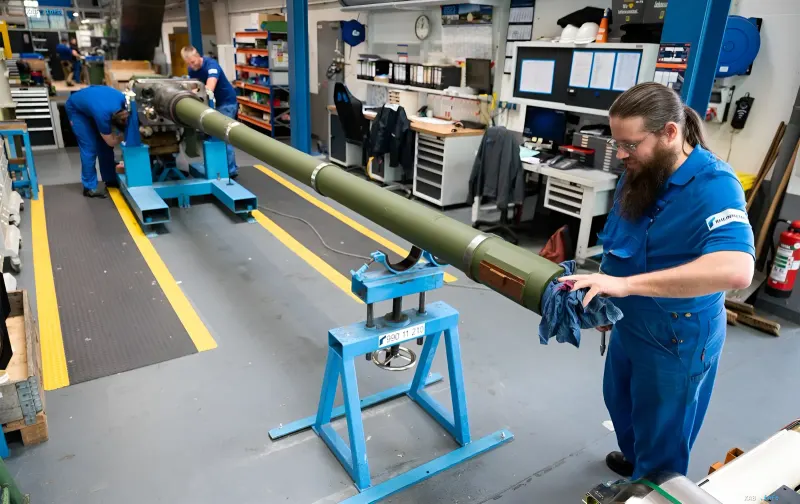
Today, the Volkswagen plant in Osnabrück provides work for around 1,800 people. After the reprofiling, it is estimated that employment will be preserved for approximately 1,200 workers. The company emphasized that it will support the transition of the enterprise to the new corporate structure: the automaker will provide its industrial experience, competencies in development and industrialization, as well as its existing infrastructure.
A precedent for the German automotive industry
Thus, the Osnabrück plant is set to become the first car factory in Germany to be converted for defense production. This fits into a broader trend: German car plants are increasingly working to meet the needs of Europe's defense industry. It was previously reported that Mercedes-Benz intends to produce special vehicles for countering drones based on popular civilian models.
Context: auto giants and military orders in the US
Similar initiatives are being voiced in the United States as well. The Pentagon has discussed plans to involve auto giants Ford and General Motors in weapons production; in Washington, assessments are being made of whether civilian manufacturers can quickly transition to defense orders. Against this backdrop, the reprofiling of Volkswagen's Osnabrück plant looks like a logical step within the pan-European redirection of industrial potential toward defense.
Contradictory data
At the same time, not all sources portray the deal as fully completed. While Volkswagen's press office and a number of media outlets (including Reuters) report an agreement reached on the sale and purchase of the enterprise, the publication delo.ua notes that the transfer of the plant to the Israeli defense company was put at risk because of Qatar. Thus, one version underscores the fact of an agreement reached, while the other highlights the presence of external factors that could put the deal at risk. Until official clarifications are received, both viewpoints should be considered equally valid.