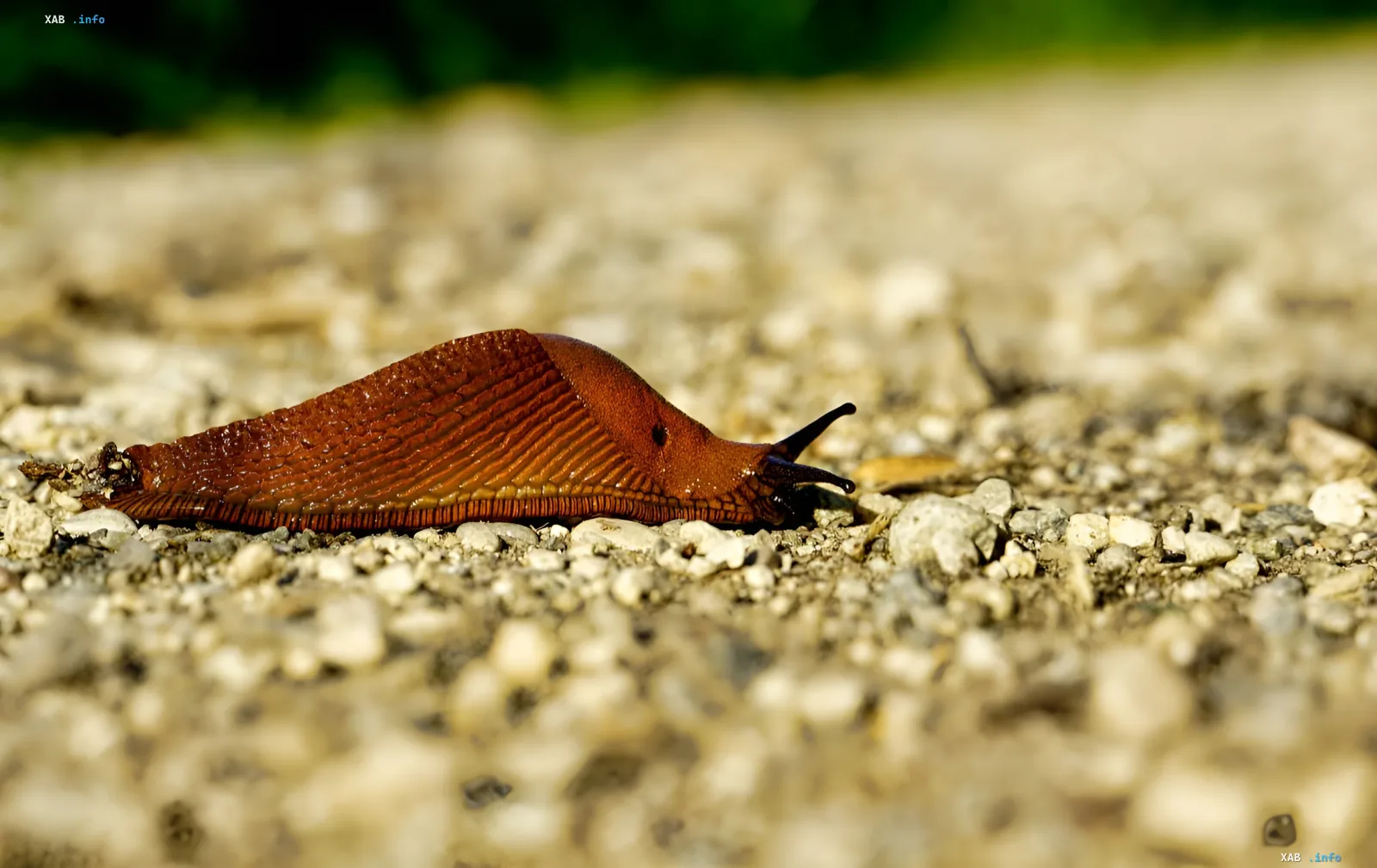
August 11, 2026: The dacha season is in full swing, and for many gardeners, a problem capable of destroying months of work in just a few nights is highly relevant. Slugs are omnivorous gastropod mollusks that pose a serious threat to young and tender plantings. Their activity increases sharply during wet weather, and night becomes their hunting period. While they hide in secluded places during the day, at night they come out in search of food, leaving characteristic holes in the leaves and a silvery slime trail behind them.
Targets of Attack: What Pests Love
Slugs are not picky eaters and can damage both foliage and plant fruits. Lettuce, cabbage, beets, carrots, peppers, and eggplants are at particular risk. Pests pay special attention to crops whose fruits grow close to the ground: strawberries, tomatoes, and zucchini. It is important to understand that slugs can damage not only the aesthetics of the plant but also completely destroy the harvest by eating the fruits from the inside.
Prevention: Why Tidiness in the Beds is the Key to Success
The fight against pests should begin not when plants are already damaged, but at the prevention stage. To reduce the risk of snails and slugs appearing, it is important not to create extra moist shelters in the beds. Slugs love damp and dark places, so timely removal of boards, stones, dense plant residues, and other places where mollusks can hide during the day will significantly reduce their population on the site. Maintaining order and avoiding "dumps" of organic matter will deprive pests of comfortable bases for overnight stays.
Folk Protection Methods: Garlic, Pine Needles, and Husks
If prevention does not help, proven folk remedies found at home or at the dacha come to the rescue. One of the most accessible methods is using garlic broth. The sharp smell of garlic repels pests, so it is recommended to treat plants and the soil around them with this solution. Treatment should be repeated approximately once a week and definitely after heavy rain, which will wash away the protective layer.
Another effective method is the use of pine needles. They can be spread around plants or used as mulch. This layer creates a less comfortable, rough surface for slug movement. This method is particularly relevant for garden strawberries. An additional plus is that over time, the needles rot and become part of the organic soil layer, improving its structure.
Gardeners also use dry nettle, spreading it around tomato, pepper, and eggplant bushes. It is important to create a dense enough strip of dry leaves. Another interesting method is the use of sunflower husks. They dry out quickly after rain and create a dry, loose layer. When in contact with the slippery body of a slug, the husk particles stick to it, hindering movement and forcing the pest to look for another place to feed.
A Realistic View on Effectiveness
It is important to note that folk remedies do not guarantee the complete destruction of slugs. They should be viewed as part of a comprehensive garden protection strategy. If there are too many pests, natural barriers alone may not be enough. In such cases, it is necessary to combine mechanical cleaning (collecting slugs by hand), maintaining order in the beds, and using other permitted methods of control to keep the harvest intact.