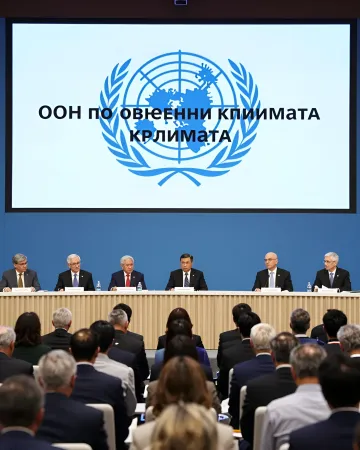
At the UN Climate Change Conference COP31 in Turkey, the European Union's Copernicus Climate Change Service presented a new report providing an alarming assessment of the timeframe for reaching a key temperature milestone. According to the organization, global warming could reach the 1.5 °C mark relative to pre-industrial levels as early as 2029. By comparison, in 2015 when the Paris Agreement was adopted, this threshold was not expected until 2045. Thus, over the past decade, the forecast has shifted 16 years toward an earlier breach of the critical mark.
Accelerating Warming and Its Cause
Copernicus scientists emphasize that global warming has noticeably accelerated in recent years. The main cause remains the increase in the concentration of greenhouse gases in the atmosphere driven by human activity. According to the service, this very factor determines the dynamics of temperature anomalies and shifts the moment when global average temperatures permanently exceed the 1.5 °C Paris threshold closer to the coming years.
Scenarios for the End of the Century
In parallel, the Climate Action Tracker organization evaluated the warming trajectory if current policies are maintained: under this scenario, global temperatures could rise by nearly 2.8 °C relative to pre-industrial levels by the end of the century. Even in the most optimistic case — with the full implementation of current national commitments and climate plans — warming is estimated to be approximately 1.9 °C, which is still significantly higher than the Paris Agreement target threshold.
Climate Policy Stagnant for the Fifth Consecutive Year
Climate Analytics analysts stated that collective government efforts to combat climate change have stagnated for the fifth consecutive year. According to their data, the development of renewable energy does not yet compensate for the expansion of oil and gas production, while a number of countries are postponing, weakening, or altogether canceling previously adopted climate measures. Niklas Höhne, a researcher at the NewClimate Institute, notes that positive changes in the energy sector are currently insufficient to change the trajectory of global warming fast enough.
Tensions at COP31: Coal and Target Wording
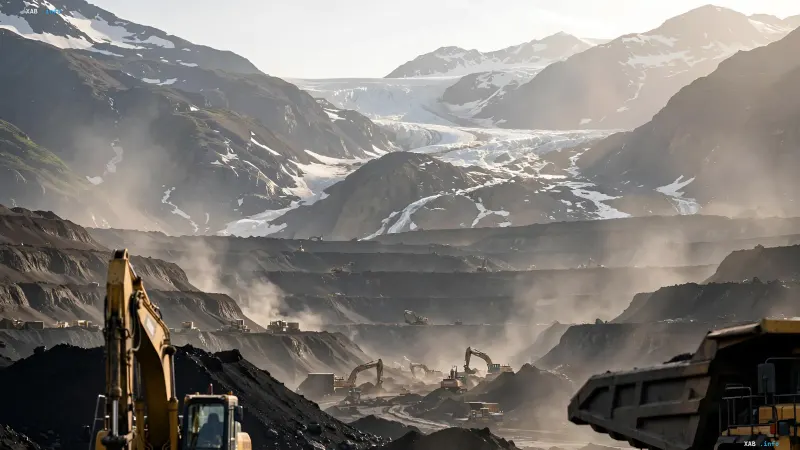
Controversies also emerged directly during the conference. Australia and Turkey, serving as co-hosts of COP31, are reportedly resisting the inclusion of the word "clean" in the wording of electrification targets. At the same time, Australia is one of the world's largest coal exporters, and Turkey's energy sector remains heavily dependent on this fuel. Notably, neither country has presented concrete plans to phase out fossil fuels.
Activists' Voices and Warnings of Damage
Swedish activist Greta Thunberg, participating in UN climate negotiations for the first time since 2021, stated that the impacts of warming are already leading to devastating floods, fires, and glacier collapses. Climate Analytics head Bill Hare also criticized developed countries for insufficient action, pointing out that continued support for fossil fuels threatens massive economic damage and irreversible loss of ecosystems.