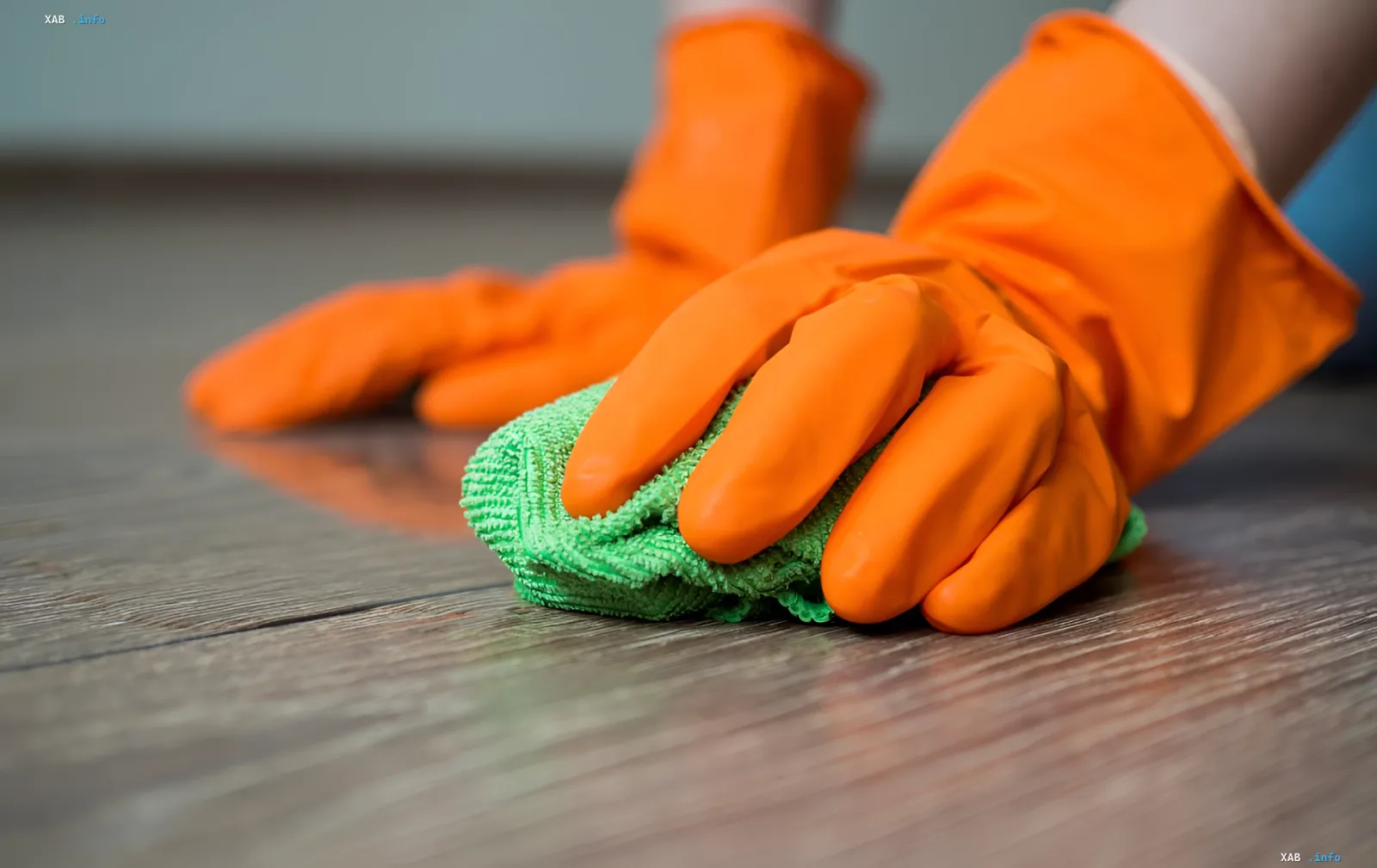
In the modern pace of life, where cleanliness is often equated with order in one's thoughts, we are used to polishing the house instantly. However, just a few decades ago, and even in some families today, there was a strict rule: do not rush to clean the floor immediately after guests have left the house. This is not just laziness or saving energy — behind this action stood a whole system of folk beliefs and deep symbolic meaning.
The Symbolism of "Washed Away" Luck and Relationships
According to folk beliefs, the floor in the house is not just a covering, but a link between the hosts and the guests. It was believed that during a visit, traces remain on the floor not only of shoes, but also of the "energy" of the meeting, memories, and even luck. If the hostess immediately took up the mop, she symbolically "washed away" good impressions and favorable omens. In a darker interpretation, it was believed that such haste could bring about quarrels and misunderstandings, as if erasing the very foundation of relationships.
The Omen About Guests Returning
Particular caution was exercised if close relatives or dear friends were visiting. In different regions, there was a belief: if you wash the floor immediately after they leave, they may stop visiting this house for a long time. It was believed that cleaning was a sign that the hosts did not want to see the guests again, that they wanted to "erase the trace" of the visitor. To avoid such a misunderstanding and maintain hospitality, hostesses waited a certain amount of time, allowing the house to "rest" from visits before starting to clean.
Pragmatic Roots of Superstitions
Historians of daily life offer a more rational explanation for these traditions, rooted in the lifestyle of our ancestors. In an era when guests traveled huge distances on foot or on horseback, their arrival was an important event requiring strength and attention. Cleaning immediately after a visit could be perceived as an inhospitable gesture. Moreover, washing floors by hand was a laborious process requiring a lot of water and time. Postponing the cleaning to a later date was simply a way not to overburden the hostess immediately after receiving guests, which over time transformed into a superstition.
Other Rules of Cleanliness in the House
The ban on washing the floor after guests is just one of many superstitions related to cleanliness. For example, there were rules about what exactly the floor could be washed with. It was believed that using old t-shirts or certain types of rags could attract negativity or, conversely, repel luck. Today, the vast majority of such rules are perceived as part of cultural heritage. For some, these are just interesting stories, while others still adhere to these traditions, believing in their symbolic meaning and the power of ancestors.