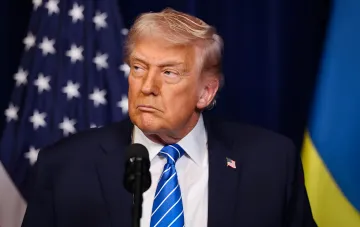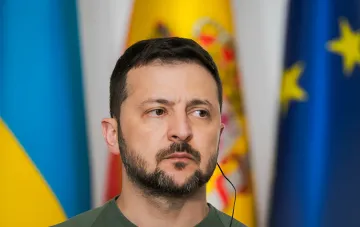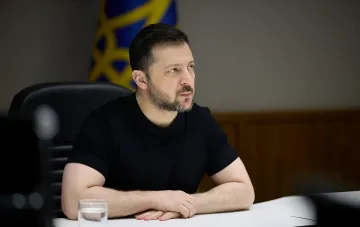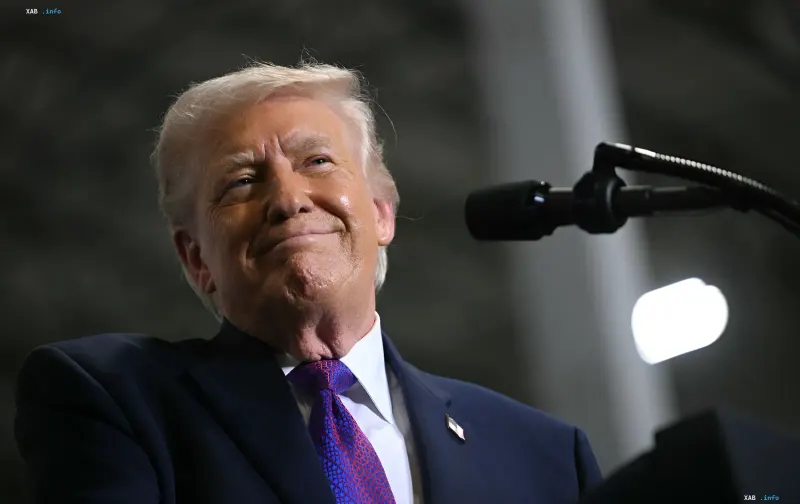
The administration of US President Donald Trump intends to secure trilateral negotiations involving Ukraine and Russia, and to expand this format by including other countries in the process. According to RBC-Ukraine, this was stated by a US official in a comment to Axios journalist Barak Ravid. He said Washington's goal is to "build on the progress made in relations with Ukraine and Europe, discuss proposals with Russia, and pave the way for direct trilateral and broader multilateral talks."
Oslo as a Focal Point
A key milestone was the round of talks in Oslo, attended by Trump's special envoys Steve Witkoff and Jared Kushner, Ukrainian President Volodymyr Zelenskyy, as well as the leaders of Norway and Finland. According to the US official, these consultations were "very productive and constructive": Ukraine, he noted, "put forward new ideas and proposals that were discussed in detail." As a result, the parties achieved "significant progress in coordinating a coordinated approach to interacting with Russia and advancing the diplomatic process."
Security Guarantees and European Architecture
In Oslo, according to the same source, elements of a comprehensive peace program were discussed: long-term security guarantees for Ukraine, a post-war economic prosperity plan, and a "broader European security architecture designed to create lasting stability." Volodymyr Zelenskyy confirmed after the meeting that the issue of security guarantees for Ukraine was raised and stated that Witkoff would pass the relevant developments on to the Russian side. Finnish President Alexander Stubb, in turn, reported that ideas for resolving the conflict were found during the talks and that these initiatives would be presented to Moscow.
Course Towards Expanding the Format
The US official emphasized that at the working level between the US, Ukraine, and Europe, there is "strong alignment" on the next steps, and the parties share "a common desire to find practical solutions to end the war." A meeting between Steve Witkoff and Vladimir Putin is scheduled for October 21, with Jared Kushner participating online. Washington views this contact as an intermediate step toward the desired trilateral meeting and its subsequent expansion.
Mixed Signals Within the US
Publicly, Donald Trump continues to push Kyiv toward a peace agreement with Russia, claiming that otherwise the situation will deteriorate. At the same time, other signals are coming from the US Congress: on October 16, a bipartisan bill, the Prohibit Corrupt Russia Oil Deals Act, was introduced in the House of Representatives to block deals on purchasing Russian diesel fuel and increase sanction pressure on Russia's energy sector. Thus, the diplomatic track in Oslo and Washington is developing against the backdrop of internal disagreements over the nature and limits of engagement with Moscow.