David Arakhamia, head of the Servant of the People faction and member of the Ukrainian negotiating delegation, stated that an “acceleration on the humanitarian track” is expected next week regarding the situation in the occupied town of Oleshky in the Kherson region. According to him, this issue was raised during negotiations in Oslo, and an “informal achievement” of the meeting is that good news should appear next week. “God willing, next week there will be progress on the humanitarian track. There is a very difficult situation in Oleshky. We discussed it yesterday,” Arakhamia noted in a comment to RBK-Ukraine.
Context: Negotiations in Oslo
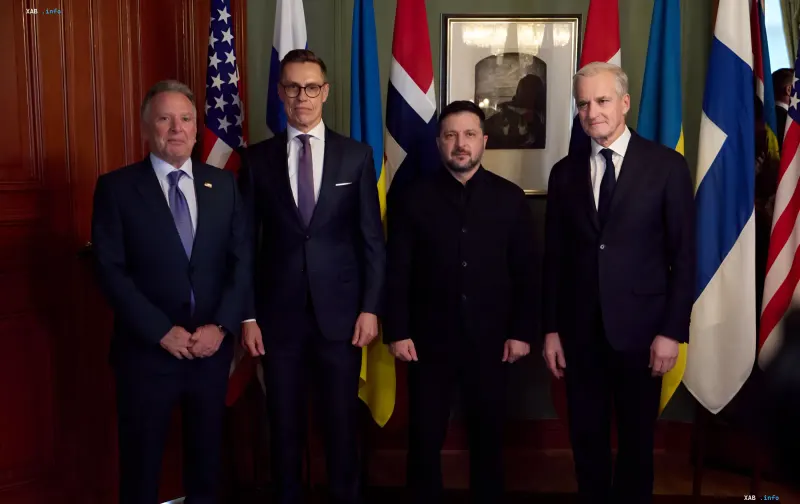
The statement came against the background of negotiations between Ukrainian President Volodymyr Zelenskyy and US Presidential Special Envoy Steve Witkoff held on October 20 in Oslo. According to Arakhamia, it was precisely at this meeting that the situation in Oleshky was discussed. Meanwhile, after the meeting, the head of state did not mention this settlement in his public statements, making Arakhamia's commentary one of the few public confirmations that the topic was on the agenda of bilateral consultations.
Humanitarian situation in Oleshky
The occupied town of Oleshky in the Kherson region is reportedly on the verge of a humanitarian catastrophe due to an acute shortage of food, drinking water, and medicines. Regular food supplies to the city stopped several months ago, and due to the lack of electricity and gas, residents are deprived of basic living conditions. The situation is exacerbated by mined roads and the constant threat of shelling. According to the source, Ukraine delivers humanitarian aid to the city using drones, but this does not eliminate the critical nature of the situation.
Evacuation and silence regime
Ukrainian Ombudsman Dmytro Lubinets earlier noted that Kyiv is coordinating the final details regarding the evacuation of Oleshky residents with the Russian side, which will require a ceasefire regime. According to him, the evacuation of six other settlements located near Oleshky is also planned. This very logic — creating conditions for the safe withdrawal of citizens — may underlie what Arakhamia calls the expected “good news” next week.
What this means
Arakhamia's commentary indicates that the humanitarian track on Oleshky has become one of the practical results of the Oslo consultations, even if it was not brought into the official statements of the heads of state. The expectation of “revival” next week actually means preparation for the potential evacuation of residents and securing a corridor for humanitarian delivery. Until specific steps are confirmed by both sides, the statement remains a pronouncement of the negotiating delegation rather than a finalized fact.