A breakthrough has occurred at the University of Kiel in Germany that could change the lives of millions of people in arid regions of the planet. Researchers at the Christian Albrecht Institute of Inorganic Chemistry (CAU) have successfully scaled the production of the unique material CAU-10-H from laboratory conditions to a pilot industrial mode.
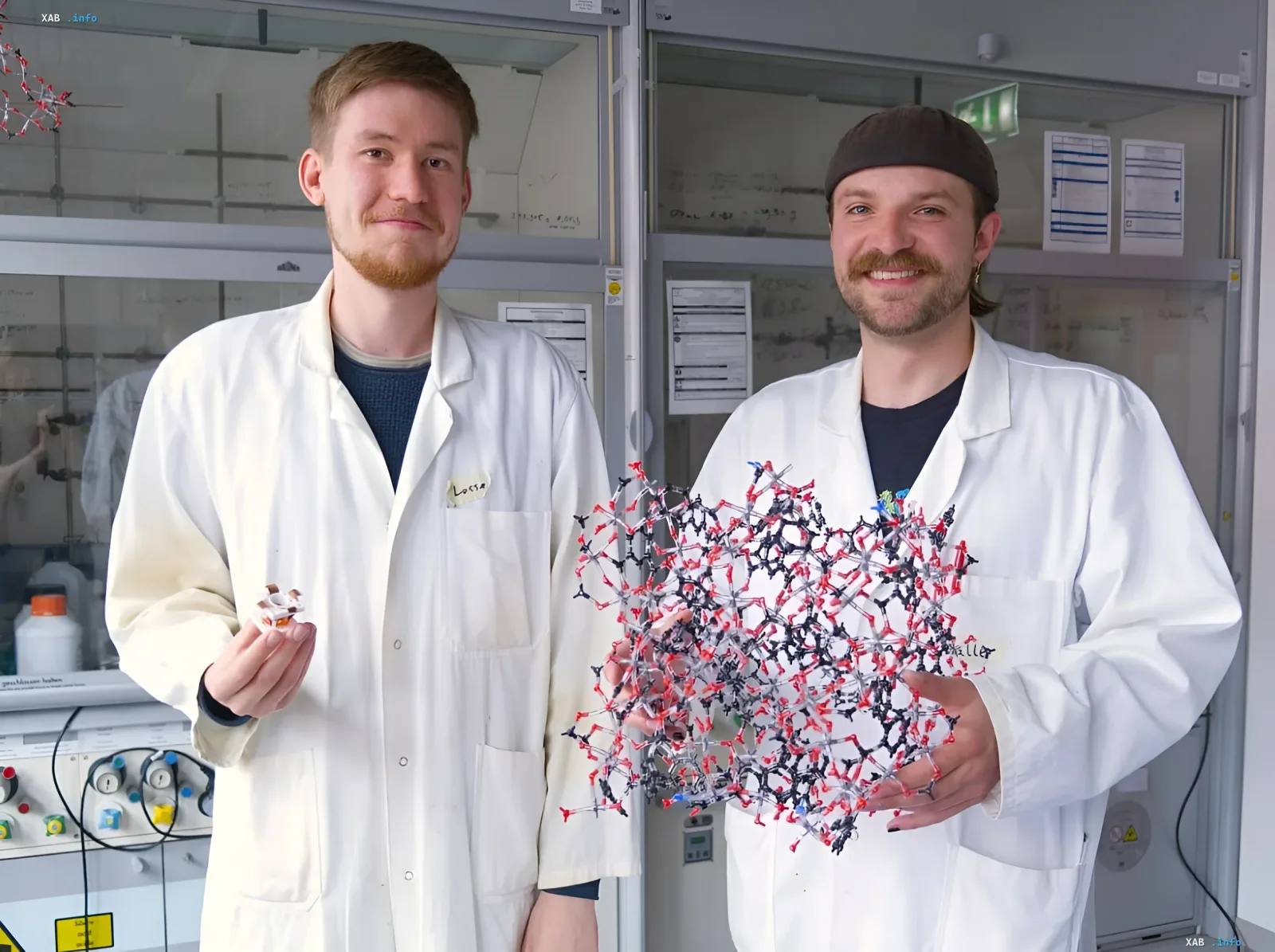
This is a metal-organic framework capable of 'extracting' drinking water even from very dry air. Until recently, the synthesis of this substance was possible only in tiny volumes. Now, under the leadership of Professor Norbert Stock and Calle Martin, the batch size has been increased 60-fold — to 30 kilograms.
The main value of the development lies in its ability to work where ordinary air conditioners and wells are powerless. The aluminum-based material CAU-10-H begins to effectively collect moisture at a relative humidity of just 18%. For comparison: standard condensation systems simply do not work if air humidity drops below 50%.
How exactly does this technology work and why is it so important for the future of water supply?
Cost-effectiveness and high efficiency
The new material demonstrates impressive efficiency indicators. One kilogram of the optimized composite is capable of generating up to 1.8 liters of ultra-pure drinking water within a single day. This makes the technology ideal for autonomous water sources.
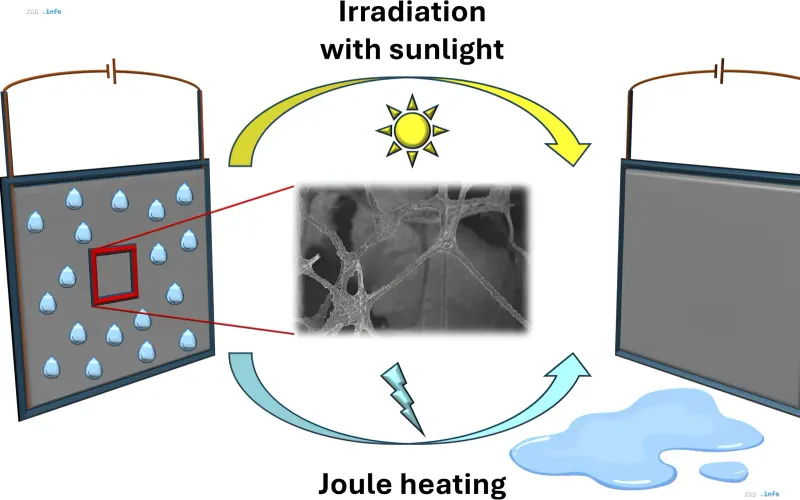
The key factor for success was energy efficiency. To release the accumulated moisture, the material only needs to be heated to 70 °C. This means that the system does not require expensive electricity or complex generators. The following can be used as a heat source:
- Solar radiation (direct heating by the sun);
- Excess heat from industrial furnaces;
- Heat dissipation from server racks and computer equipment.
Thanks to the introduction of electrically conductive carbon foam, the full work cycle — from moisture collection to water production — has been reduced to two hours, ensuring continuous resource generation.
Affordable price and prospects
A techno-economic analysis of the new production line showed that with mass production, the cost of the material will be just $12–14 USD per kilogram. This makes the technology accessible for widespread implementation.
According to forecasts by the Intergovernmental Panel on Climate Change (IPCC), by 2030, the freshwater deficit could affect up to 700 million people, especially in the arid zones of the Mediterranean, Africa, and the Middle East. The transition to industrial production of CAU-10-H opens the way to creating local water supply systems that are completely independent of central networks.
Benefits beyond drinking water
Scientists have also confirmed that this material could revolutionize climate control systems. In tests, CAU-10-H showed a threefold superiority over silica gel — a classic desiccant used for decades.
Using the composite in air conditioning systems allows for the abandonment of harmful freon refrigerants, reducing the carbon footprint of buildings. At the same time, cooling occurs through the utilization of 'waste' heat, which significantly increases the energy efficiency of infrastructure.