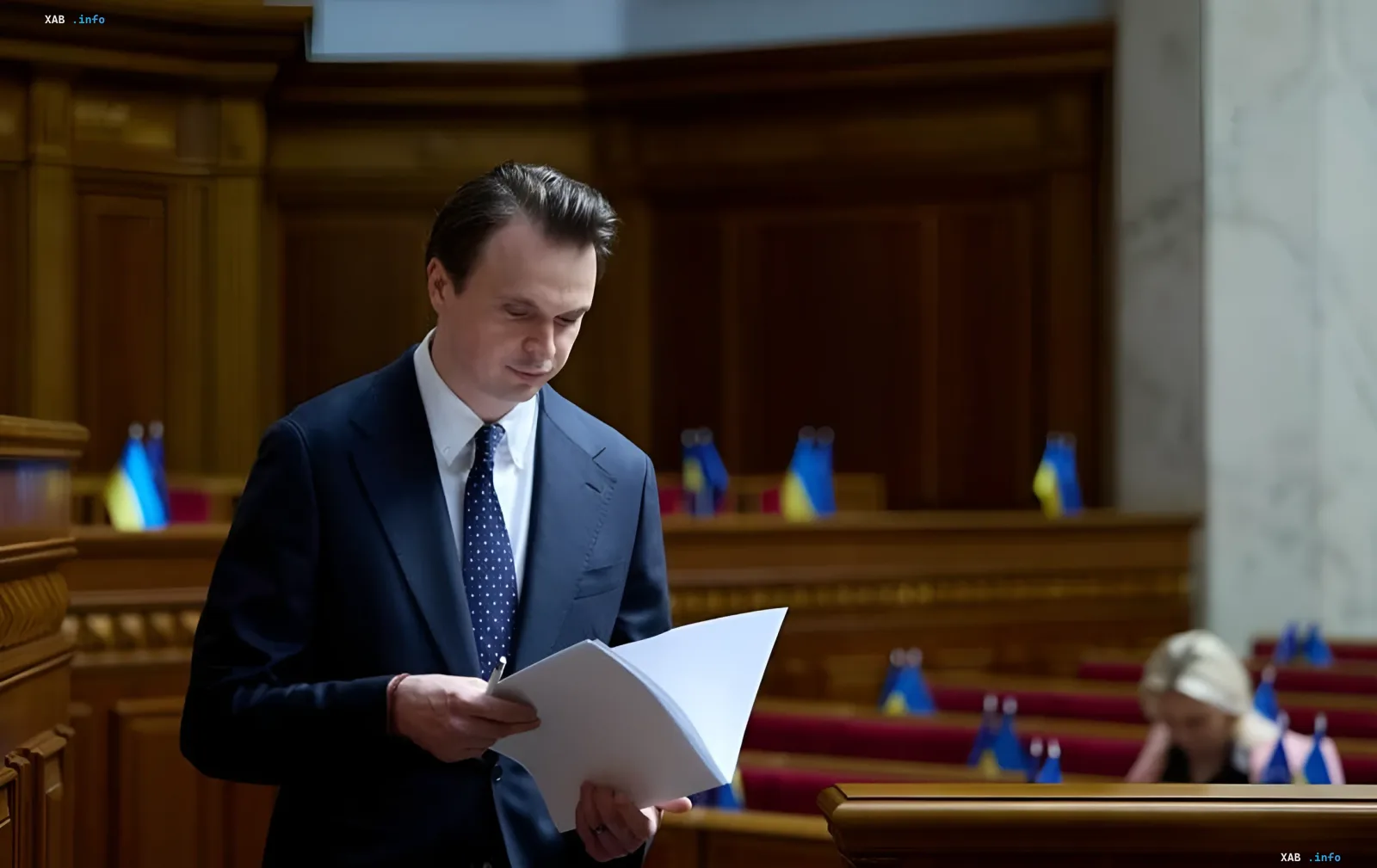
Ukrainian MP Mykola Davidyuk, in a recent interview on RBC-Ukraine's podcast "THIS IS BASE," made a resonant statement about the current nature of hostilities and the real possibilities for achieving a peaceful settlement. According to the politician, the Russian leadership headed by Vladimir Putin at this stage shows no sincere interest in establishing a lasting and fair peace, continuing to rely on forceful pressure and the destruction of Ukrainian statehood.
Illusions of quick peace and real centers of power
Commenting on numerous internal discussions and public expectations regarding the speedy end of the conflict, Davidyuk emphasized the dangerous nature of illusions that Ukraine is supposedly capable of ending the war independently or at will at any moment. He drew attention to the fact that the key geopolitical levers of influence on Moscow and the overall dynamics of the global confrontation are far outside Kyiv—in such world capitals as Washington, Moscow, and Beijing.
"Putin does not want peace. But for some reason we are now calling on some unknown force: 'Just give us this peace already.' Do we have the keys to peace lying around here? No, they are not here. The keys to peace are Washington, Moscow, Beijing. We are fighting off capitulation," the MP explicitly explained, describing the grueling strategic reality in which the country lives and fights every day.
The role of the Armed Forces of Ukraine and the international factor
Against the backdrop of ongoing external support from Western allies, which is critically necessary to hold the front and supply the army with resources, the main and absolutely unwavering pillar of the state remains the Armed Forces of Ukraine. According to Davidyuk's assessment, it is the Ukrainian army that acts today not only as a guarantor of its own nation's security, but also as a real shield restraining the aggressor at the approaches to the rest of Europe.
"What is stable for us is the Armed Forces of Ukraine, which uphold the national interest. The only force that provides for Ukraine and Europe today is the Armed Forces of Ukraine," the politician summarized, emphasizing the historical mission of Ukrainian servicemen in deterring large-scale Russian aggression amid the protracted confrontation of 2026.
International initiatives and the position of global players
Meanwhile, active speculation and mediation attempts by various global powers continue on the diplomatic track. US President Donald Trump previously made optimistic statements that the armed conflict between Russia and Ukraine would allegedly end in the near future, although there are still no objective signs of a ceasefire or the Kremlin's readiness for compromises on the battlefield.
In parallel, India has declared its desire to join the negotiation process. Official New Delhi has already handed over its proposals for a possible crisis settlement to the Russian side, which was confirmed by Kremlin spokesman Dmitry Peskov. Nevertheless, Ukrainian experts and politicians urge skepticism regarding such initiatives until Moscow's real aggression is stopped by the uncompromising resistance of the defense forces and the firm position of allies.