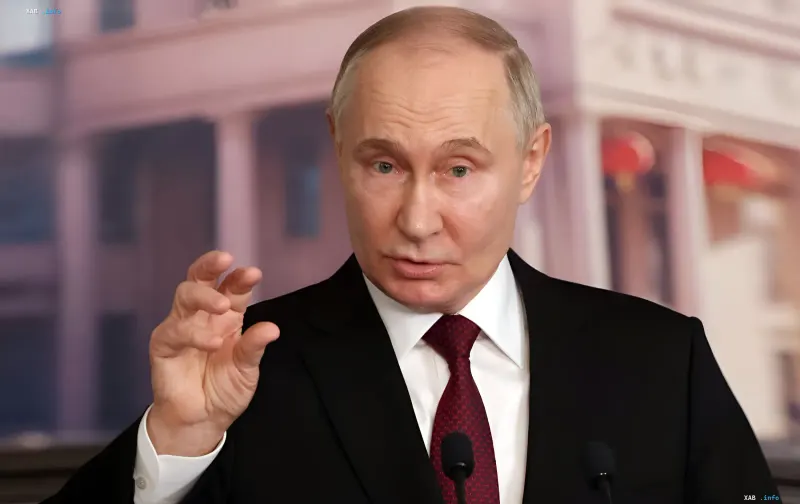
Russian President Vladimir Putin has made new statements regarding the ongoing hostilities, blaming the Ukrainian side for the escalation of the conflict and strikes on facilities within the Russian Federation. According to the Russian side, Moscow views its actions as a response to attacks on oil refineries and trading platforms, while the international community and Kyiv emphasize the primacy of Russian aggression. The Russian leadership's remarks came amid reports that any ceasefire initiatives face a rigid stance from the Kremlin, which denies the need for a truce even during potential presidential elections in Ukraine.
Statements on Strikes against Russian Infrastructure
During his speech, the Russian leader commented on recent incidents affecting the refining industry and electronic trading platforms in Russia. He claimed that Ukraine allegedly took the first steps to strike these facilities, after which Moscow was supposedly forced to retaliate. Putin noted that the Ukrainian side should have assessed the possible consequences of such steps in advance and threatened a further harsh response to any provocations.
At the same time, such statements completely ignore the fact that the full-scale military campaign against Ukraine was launched by Russian troops, and systematic shelling of civilian and critical infrastructure in Ukrainian cities has continued since the first days of the invasion. Experts and officials in Kyiv have repeatedly stressed that strikes on Russian rear facilities are a forced measure to counter the aggressor.
Rejection of Peace Initiatives and Truces
In addition to accusations against Ukraine regarding attacks on Russian territory, the Russian leadership voiced its position on the prospects for the negotiation process. In particular, it was stated that Moscow has no intention of stopping hostilities for the sake of holding presidential elections in Ukraine. Earlier, Ukrainian Foreign Minister Andrii Sybiha noted that Russia demonstrates blatant disregard for peace appeals, including initiatives by the US administration led by Donald Trump, taking advantage of the lack of proper pressure.
Ukrainian diplomacy points out that the Kremlin is deliberately delaying a diplomatic settlement and putting forward knowingly unacceptable conditions, using pauses solely to regroup forces. Russian statements that peace proposals remain on the table are accompanied by new threats and large-scale missile strikes on Ukrainian cities, making any prospects for a real dialogue extremely illusory.
Consequences of Escalation and the International Position
The Kremlin's rejection of constructive dialogue and the escalation of strikes on energy and logistics facilities indicate a further prolongation of the armed conflict. Amid statements about the inevitability of a harsh response to Ukraine, international partners continue to discuss mechanisms for tightening sanctions pressure on Moscow and providing additional air defense systems to the Ukrainian army.
The further development of the situation largely depends on the readiness of Western countries to form a united front to counter Russian aggression and force the Kremlin to real negotiations. Meanwhile, the statements of the Russian leadership confirm their reliance on the military exhaustion of Ukraine and the disregard of any diplomatic efforts by the international community.