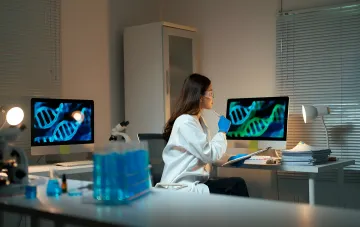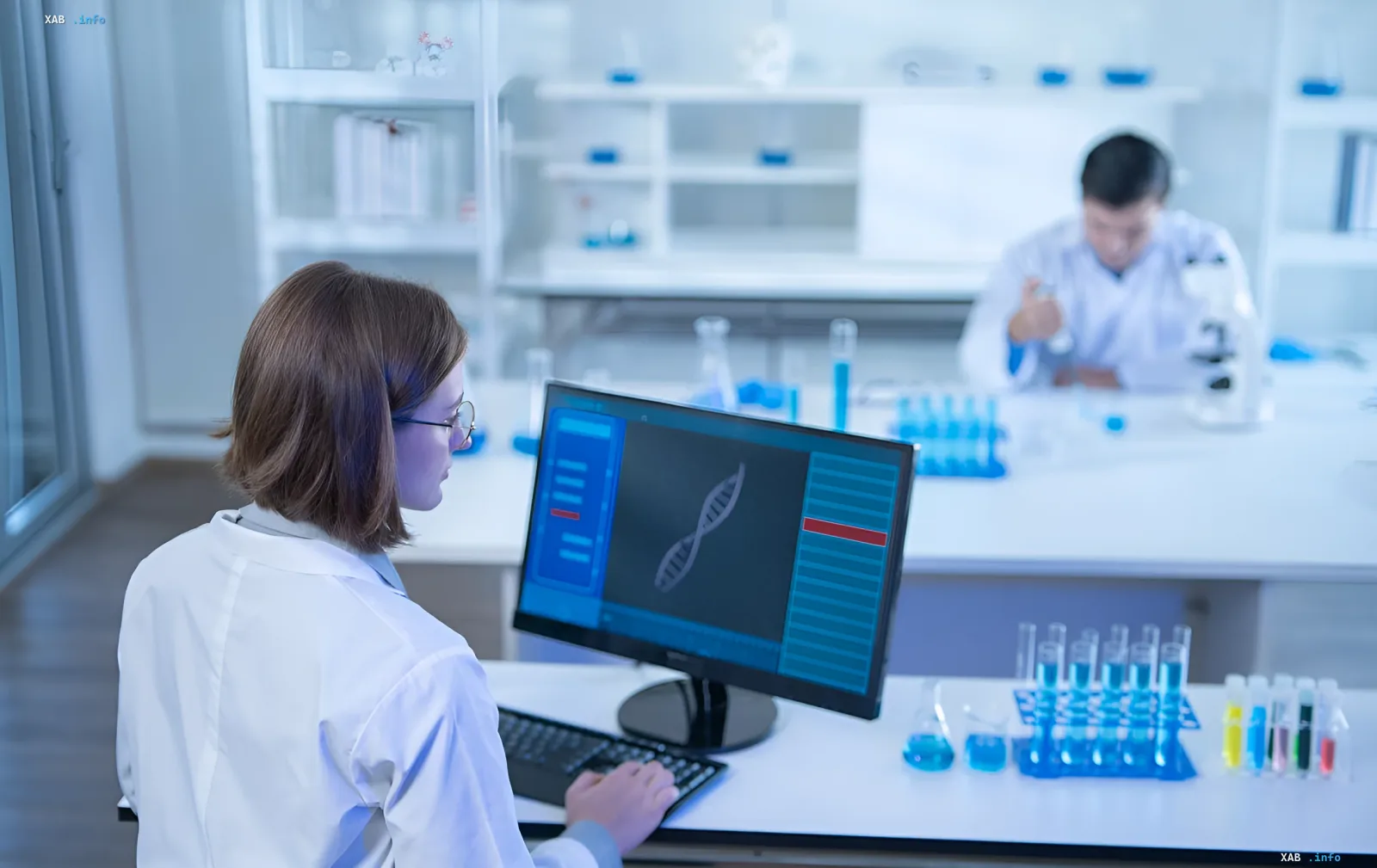
Modern genetics has ceased to be solely a tool for diagnosing hereditary diseases. As geneticist Dmytro Mykitenko explained in an interview with RBC-Ukraine, ordinary people today have access to so-called Wellness-class "genetic passports" — preventive tests that do not look for the cause of a specific illness but rather analyze the body's polygenic predispositions. According to the expert, just 10–15 years ago genetics could only, in isolated cases, identify a genetic pathology, and there was practically nothing that could be done about it other than adjusting metabolism. Today, however, the arsenal of possibilities has expanded significantly: from assessing the risk of having a child with a genetic disease at the pregnancy-planning stage to inserting a healthy gene to correct conditions such as spinal muscular atrophy and certain types of retinal dystrophy.
From diagnosis to prevention: what modern genetics can do
Mykitenko emphasized that medicine has learned to select embryos during in vitro fertilization (IVF) to ensure the birth of a healthy child, as well as to detect a range of genetic diseases after birth, though not all of them. However, in his view, the key shift has been the emergence of Wellness-class genetic tests. As the specialist explained, they "do not look for the cause of a problem but analyze certain polygenic predispositions." If there is a change in a single gene, then due to a minor disruption it may not lead to disease. But if the activity of several genes from one functional block is reduced at the same time, this can affect health — not necessarily in the form of a clinical disease, but by impacting quality of life.
Biohacking as a tool for reducing risk
Importantly, according to Mykitenko, a person can influence the magnitude of the identified genetic risk. It is precisely this direction, he said, that is now being called biohacking: changing habits, diet, place of residence, and other lifestyle factors allows an individual to lower their personal risk to the general population level. Thus, Wellness-class genetic studies are positioned not as a sentence, but as a preventive tool that gives a person specific guidelines for adjusting everyday decisions.
Readiness for the result: age and anxiety
At the same time, the expert warns that a misinterpretation of the results can cause excessive anxiety, which in itself can harm health. This is especially true of oncological risks. "A person must be mature enough to hear the result," Mykitenko stated. He gave a personal example: he himself only reached the understanding of the need for such tests at the age of 42, while some patients are not ready for them even at 50. At the same time, just the other day a 17-year-old patient turned to him, declaring that she "needs to know what to prepare for." The genetician did not categorically forbid testing minors, but he emphasized that if there is no psychological readiness, the analysis should not be done.
Context: genetic passports are not only for people
The concept of a "genetic passport" today goes far beyond human medicine. For example, Russian scientists at TINV RAS are working on compiling genetic passports for the Far Eastern leopards that remain in the wild, while specialists at the St. Petersburg Branch of the Russian Academy of Sciences have proposed issuing genetic passports to reindeer to monitor population health. These projects demonstrate that the idea of individual genetic identification and risk assessment is becoming a universal tool — from zoology to personalized medicine. For a person, however, as Mykitenko emphasizes, the main point of Wellness tests is not to "find a disease" but to consciously manage what has not yet become a disease.
This material is for general educational purposes only and does not constitute medical advice. The information is intended to familiarize you with possible methods of identifying risks, but it should not be used for self-diagnosis or self-treatment. If you have health problems, be sure to consult a qualified doctor.