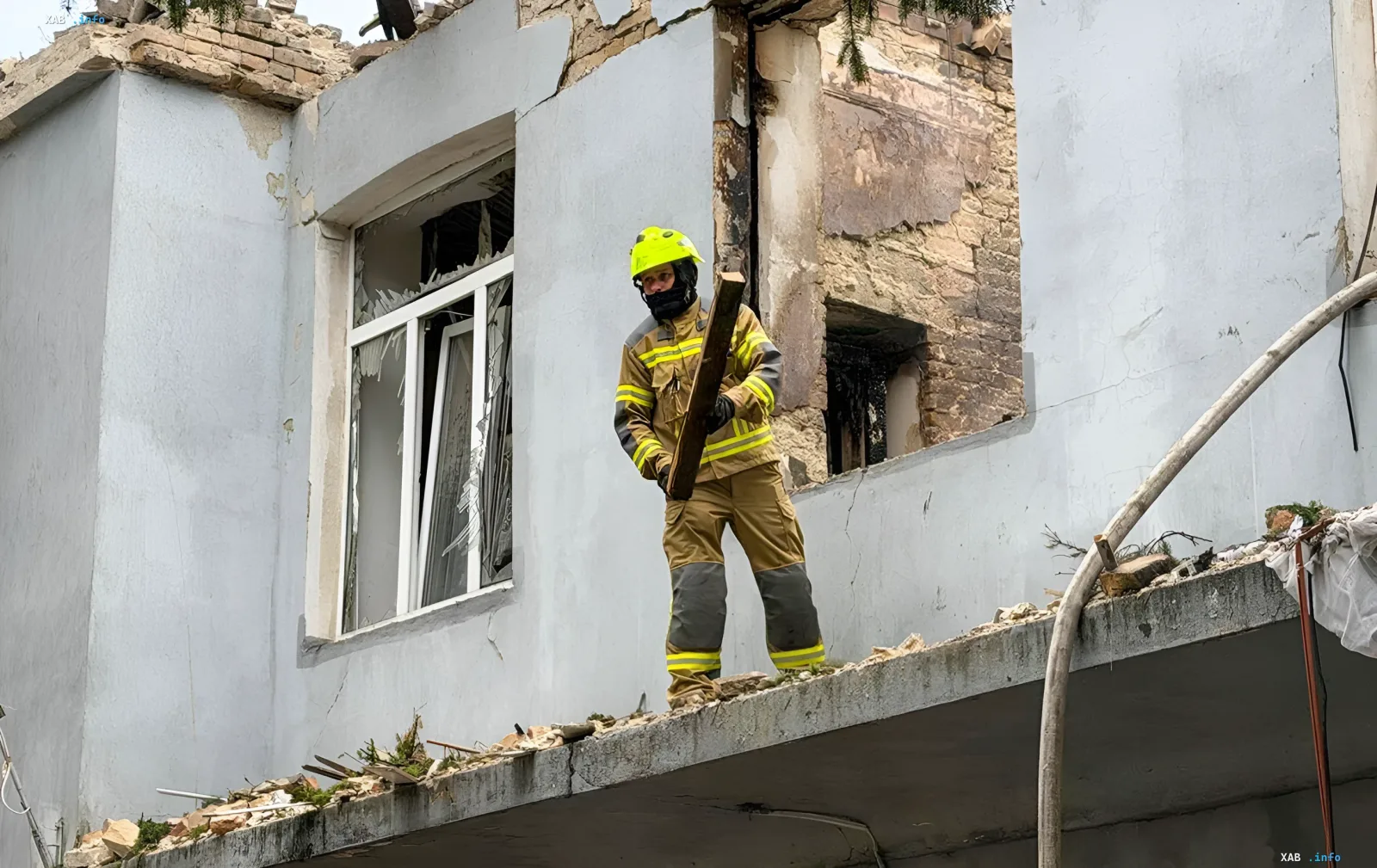
The Russian Federation has significantly intensified air strikes on the western regions of Ukraine, where air raid sirens have recently sounded with alarming regularity. Such escalation indicates a potential transformation of the enemy's tactics, aiming to inflict systemic damage on the country's rear infrastructure. According to official data from the Air Command «West», no less than 30 jet-propelled unmanned aerial vehicles were successfully intercepted and shot down in the region just over the evening of October 12 and the night of October 13, 2026.
Main targets of strikes: energy and logistics
As noted by Ukrainian Armed Forces serviceman and prominent military-political expert Oleksandr Musiienko, the primary targets for the aggressor in the west of the country are critical infrastructure facilities. Specifically, the enemy is purposefully striking substations and distribution nodes, attempting to cut off the stable transmission of electricity generated by nuclear power plants to the central and eastern regions of the state. In parallel with energy infrastructure, key transport arteries, railway junctions, major logistics terminals, industrial enterprises, and warehouses are coming under fire.
Economic exhaustion and psychological terror
The expert emphasizes that large-scale and regular attacks pursue complex objectives. In addition to undermining Ukraine's economic potential and inflicting colossal material damage to the national economy, the adversary is attempting to conduct open terror against civilians. The main goal of psychological pressure is to demoralize the Ukrainian rear and sow panic. Meanwhile, statistics show a certain distribution of burdens: approximately two-thirds of all air strikes hit frontline and central regions, while about one-third of the total attacks are directed at the western part of the country.
Air defense challenges and current shelling consequences
Military specialists openly acknowledge objective difficulties in ensuring 100% airspace security. Although Ukrainian aviation and air defense forces have improved their performance and increased the interception rate of jet-powered «Shaheds», about 20–25% of air attack weapons still reach their targets or cause damage with their debris. In conditions of air defense shortages, guaranteeing full protection of the western regions is currently impossible. The severe consequences of the attacks are confirmed by tragic reports: on October 13, 2026, a massive fire broke out after a Russian drone hit a school building in the center of Rivne, injuring 25 people. Earlier, on the night of October 13, Lviv Oblast was attacked, and on October 11, shelling in Ivano-Frankivsk killed three people and severely damaged residential and commercial premises.