Halloween has long ceased to be exclusively an American holiday of costumes and pumpkins. In various corners of the globe, this autumn season is accompanied by unique gastronomic traditions rooted in ancient beliefs and rituals. From Irish bread with hidden prophecies to Italian biscuit shaped like bones, the festive table reflects the cultural diversity and history of each nation.
Gastronomic Roots of Halloween in Ireland and Great Britain
The origins of Halloween are inextricably linked to Ireland and the Celtic festival of Samhain, which marked the end of the harvest. The main culinary symbol here is traditionally considered to be barmbrack, a sweet bread with raisins and dried fruit, inside of which symbolic objects are hidden. A ring promises a marriage, a coin foretells wealth, and a pea symbolizes loneliness. In Great Britain, the tradition of soul cakes emerged—small spiced pastries baked for those who went from house to house praying for the deceased. This ancient custom is considered a direct predecessor of modern trick-or-treating.
American Traditions: Caramel Apples and Candy Corn
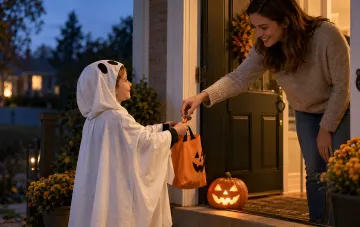
In the United States, Halloween has acquired a large-scale commercial and entertaining character, forming its own set of seasonal treats. The leading position here is held by the trick-or-treating tradition, where children in costumes collect sweets from neighboring houses. Caramel apples on a stick, pumpkin seeds, sweet popcorn, and famous candy corn shaped like corn kernels are especially popular. At the same time, the traditional pumpkin pie in the US is historically more closely associated with Thanksgiving than with All Saints' Day.
European Customs and Autumn Delicacies
In continental European countries, this period is also marked by deep traditions of honoring the deceased and harvesting. In Italy, at the end of October, it is customary to cook ossa dei morti cookies, which translates as "bones of the dead," baked from almonds, flour, and spices. In Austria, a lush braided bread called Allerheiligenstriezel is baked for All Saints' Day, and in the alpine regions, the tradition of carving ominous faces on turnips instead of pumpkins is still alive. These regional features show how ancient pagan and Christian motifs intertwined into a single gastronomic culture.
How Halloween Is Celebrated in Ukraine Today
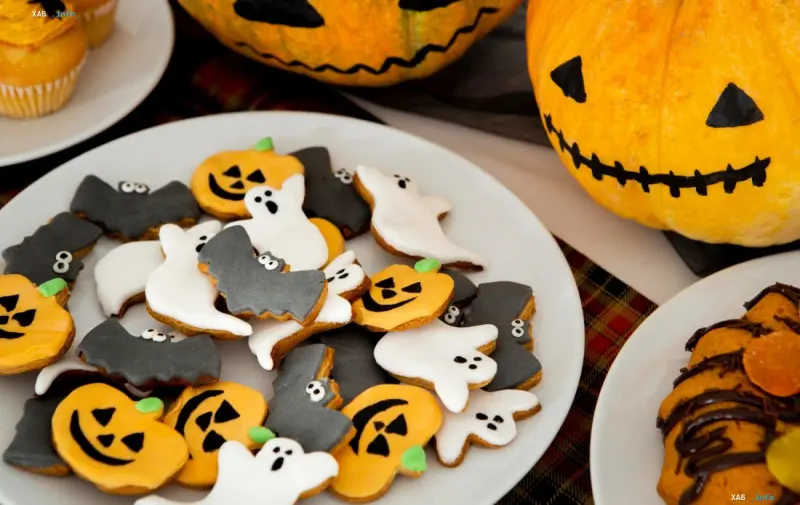
In Ukraine, Halloween does not have deep historical roots, but over the past decades, it has firmly entered the calendar of autumn urban events. The holiday is celebrated mainly in an entertainment format: costume parties are held, interiors are decorated with pumpkins, and children's master classes are organized. In capital and regional cafes at the end of October, special seasonal menus appear featuring ghost desserts, spiced cookies, pumpkin cream soups, and warming drinks. For Ukrainians, this is primarily an opportunity to show creativity, decorate the home, and spend time with friends.
The Significance of Festive Traditions and Their Impact on Modernity
The evolution of Halloween demonstrates how local rituals of nature transformation and ancestor remembrance turned into a global cultural phenomenon. Today, the gastronomic component of the holiday performs a unifying function, erasing boundaries between generations and countries. Whether it is Irish bread divination or modern urban festivals in Ukraine, autumn treats continue to carry an element of play, creativity, and historical continuity.