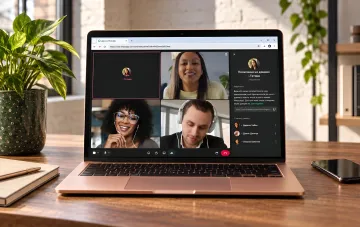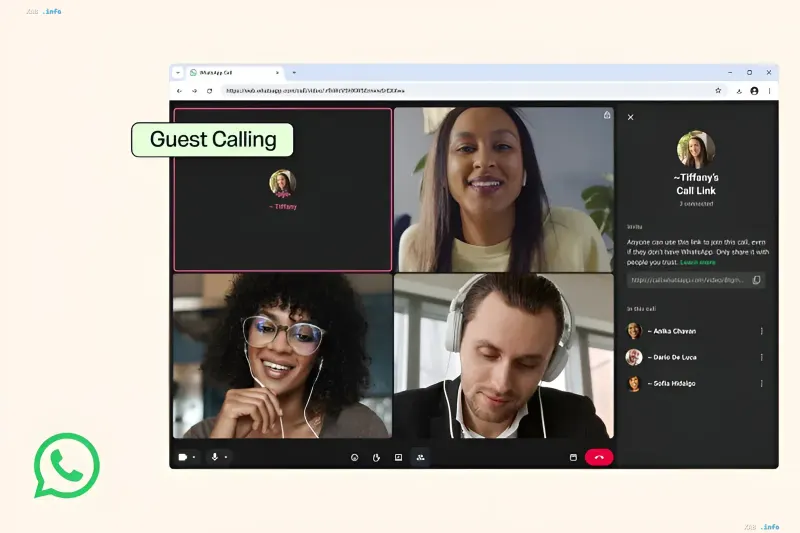
The popular messenger WhatsApp is rolling out a major update that fundamentally changes its approach to communication. Now, users are no longer required to download the official application and go through an account creation process to participate in audio or video calls. The new feature allows anyone to connect directly via a computer web browser using a special invitation link generated by the call organizer.
How the New Connection System Works
To use the new tool, a messenger account owner must navigate to the Calls tab, tap the add icon, and generate a personal call link. The recipient of such an invitation simply needs to open the link in a browser, enter their name, and wait for admission. The feature supports both individual dialogues and large group conferences with up to 32 participants simultaneously, making the service convenient for work and personal calls.
Security and Control Tools for the Organizer
The developers have paid special attention to privacy and security issues for unregistered participants. The conversation organizer gains complete control over the process: they can remove any guest from the call at any time or restrict their capabilities. Invited users do not see each other's phone numbers, cannot send text messages, or independently invite new participants. However, they can access interactive features such as computer screen sharing, emoji reactions, and the raise hand function.
Technical Features and Future Plans
According to official information from Meta representatives, all such calls remain completely free and protected by end-to-end encryption, with no time limits on conversation duration. Recall that in March 2026, the company already tested guest chats for unregistered users, but back then the functionality was strictly limited to text message exchange. The developers also plan to integrate deeply with popular Google and Microsoft Outlook calendars for meeting scheduling by the end of the current year.
Contradictory Data
While most specialized publications and official releases emphasize the full launch of browser-based audio and video communications for unregistered users in October 2026, the early beta testing stages in March 2026 caused confusion in the media. Some tech blogs initially claimed the imminent release of full-featured guest video conferences, although in practice, the spring test build only allowed users to exchange text messages, which generated inflated audience expectations regarding the timeline for implementing voice features.