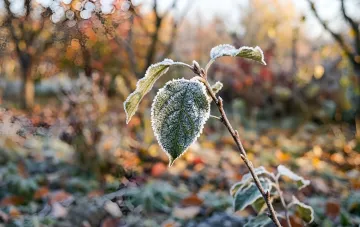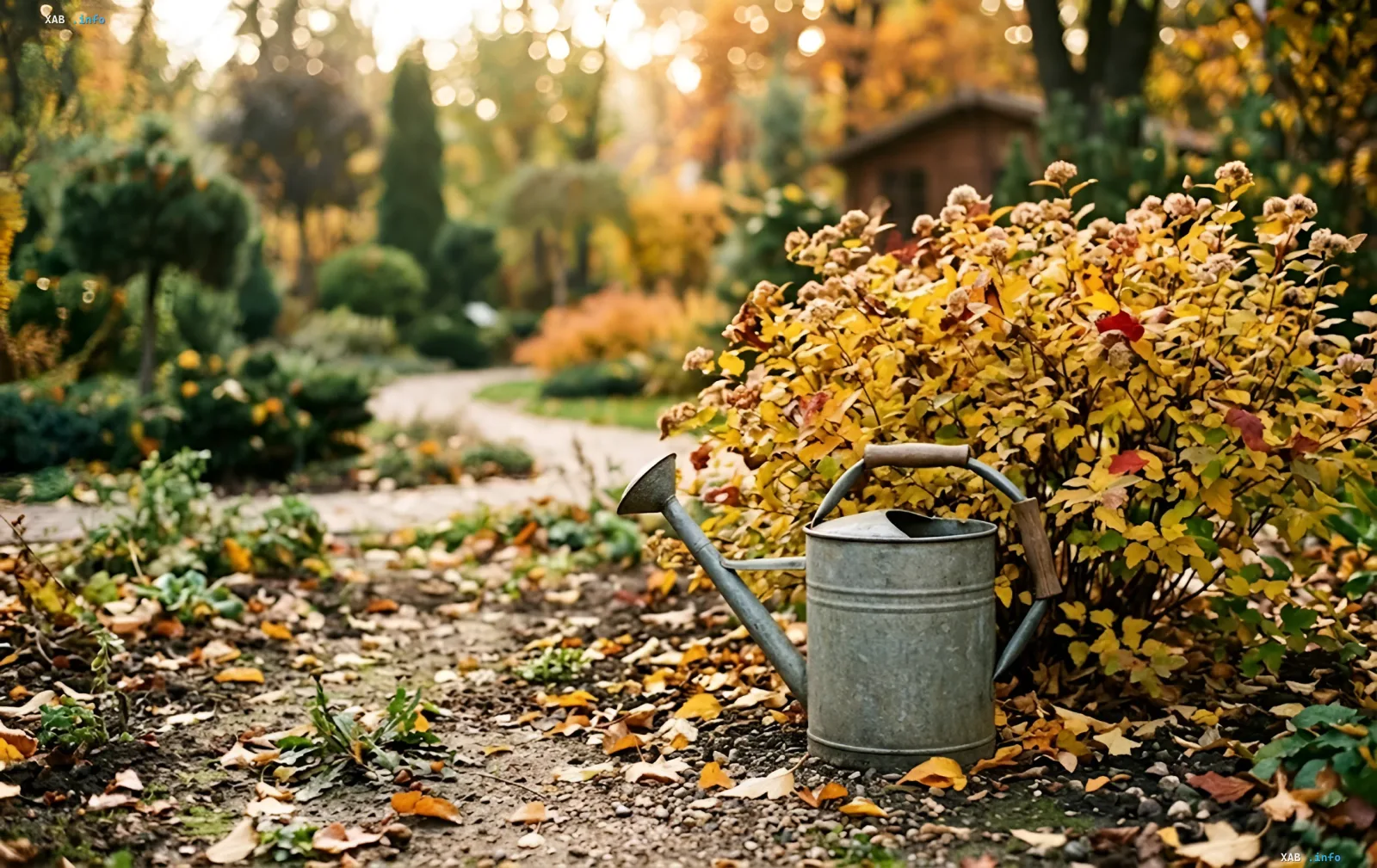
In the height of summer, daily watering of the garden and vegetable plots seems like an undeniable necessity, while at the first signs of cooling, many gardeners abruptly and permanently stash the hose and watering can away in the shed. According to Styler, citing a Martha Stewart article, it is precisely this abrupt cessation of watering that is one of the most common and harmful mistakes. Experts emphasize: even when it is no longer hot outside and the aboveground part of the plants appears visually "frozen," their root system continues to actively develop as long as the soil temperature remains favorable. Ignoring this process deprives plants of moisture during a critical period of preparation for winter.
Roots Grow Even When the Canopy "Falls Asleep"
The experts' key argument is simple: a plant's visible dormancy does not mean biological dormancy. As long as the soil has not frozen, the roots are building mass and strengthening, and they need moisture to do so. Autumn watering becomes especially critical for newly planted trees, shrubs, and new lawns — these are precisely the ones that need water to form a strong root system before the onset of stable cold. Without sufficient moisture, young plantings are highly unlikely to survive the winter.
A Schedule, Not a Calendar: Three Rules for Autumn Watering
Autumn watering should not turn into a daily routine — and this is a fundamental difference from the summer regime. Because water evaporates much more slowly as temperatures drop, the watering schedule changes dramatically. First rule: base your decisions on the state of the soil, not the calendar. If the ground is moist a few centimeters down, skip the watering. Second: water exclusively in the morning, so the water has time to soak in and the leaves dry out before the evening temperature drop — this protects plants from fungal diseases. Third: do not overwater the area, because the goal is to deliver moisture to the roots, not to turn the bed into a swamp where the roots begin to rot.
Mulch and the "Stick" Test: How Not to Overwater
To reduce the need for frequent watering and simultaneously protect plants from the first frosts, experts recommend mulching. A layer of fallen leaves, straw, or wood chips 5–7 cm thick around the trunks of trees and shrubs retains moisture in the soil and creates a kind of "blanket" for the root system. To monitor moisture, a simple "wooden stick" rule is proposed: push an ordinary wooden skewer into the ground to a depth of 10–15 cm. If it comes out dirty and damp, no watering is needed; if it is dry, it is time to moisten the soil.
Contradictory Data
In the expert community, there are polar opposites on the question of autumn watering that are important to keep in mind so as not to negate the benefits of the practice. On the one hand, Martha Stewart and the recommendations associated with her insist: autumn watering is vital, especially for young plantings, and giving it up is a mistake. On the other hand, a number of specialized publications (including an article on pravda.ru) warn that excessive autumn watering can "turn moisture into a poison for the roots," causing them to rot in cold, poorly ventilated soil. In essence, the two positions do not contradict each other: they describe different extremes. Both under-watering and over-watering are dangerous, so the universal solution is not a rigid schedule but regular checking of soil moisture using the "stick" test and mandatory mulching, which simultaneously retains moisture and protects against excessive waterlogging.
When to Draw the Line: Frosts or Soil Freezing
A common misconception is that watering should be stopped immediately after the first frosts. Experts object: if a dry period follows the frost, newly planted plants still need moisture. The final and only signal for completely stopping watering is the freezing of the soil. Once the ground is stably frozen and becomes hard, additional watering loses all meaning, because the roots can no longer absorb water. Until that moment, moderate, soil-condition-based moistening remains a tool that helps the garden enter winter calmly.