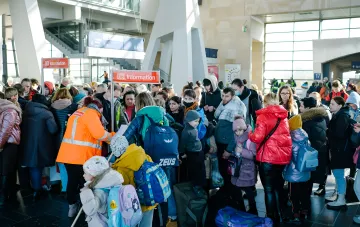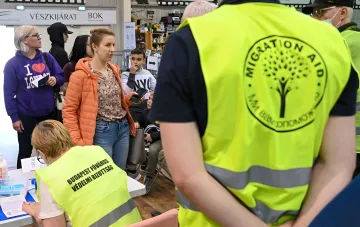
With the approach of the 2026–2027 cold season, the issue of finding safe and affordable housing for Ukrainians abroad has become critical. As of late 2026, European Union countries have extended temporary protection mechanisms, but the terms of social support and the real estate market situation have changed significantly. State-funded free accommodation programs in most regions have been downscaled or redirected exclusively to the most vulnerable groups, forcing displaced persons to carefully calculate their financial capabilities when choosing a location for the winter.
Real Estate Market and Rental Specifics in Eastern and Central Europe
The Eastern European rental market traditionally remains the most tenant-friendly. In Romania and Bulgaria, the cost of long- and medium-term apartment rentals in resort areas or major cities (such as Bucharest, Cluj, or Varna) remains relatively affordable, ranging from 300 to 500 euros per month. Landlords here are generally accommodating towards families with children and pets, without demanding an excessive package of financial guarantees. In Poland, the situation is different: in major metropolises like Warsaw, Krakow, or Wroclaw, the market is overheated and prices are high. However, in smaller towns such as Opole, Bydgoszcz, or Lublin, finding a comfortable one-bedroom apartment for 1,800–2,000 zlotys per month is quite realistic. Free social housing in Poland is limited to collective centers for vulnerable groups.
Western and Southern Europe: Accommodation Features in Spain and Belgium
Finding housing in Western and Southern European countries involves severe bureaucratic hurdles. In Spain, large metropolises like Madrid or Barcelona require tenants to provide strict proof of solvency and official contracts. Nevertheless, on the Costa Blanca coast, in Andalusia, or Alicante, renting an apartment for 500 to 700 euros is entirely feasible if you have remote work or personal savings. Free initial accommodation through the Red Cross and charities like CEAR is provided strictly at the initial stage and exclusively for the destitute. In Belgium, the housing stock situation remains strained: shelters are overcrowded, and private rentals in Brussels or Antwerp start at 750–900 euros per month excluding utilities.
Contradictory Data
Analyzing the conditions of stay in EU countries at the end of 2026, experts note a number of significant discrepancies between official reports and the actual practice of refugees. On one hand, European directives guarantee the extension of temporary protection until March 2027, ensuring legal status and access to the labor market. On the other hand, at national and local levels, there is a rapid reduction in direct cash benefits and free accommodation programs. While some sources claim the availability of municipal temporary stay programs, in practice—as seen in the Baltic states or Belgium—such points host refugees for only a few days, shifting full responsibility for finding private rentals onto the citizens themselves.
Social Support, Payments, and Future Prospects
The social assistance system in 2026 has undergone significant transformation. Direct unconditional monthly allowances for Ukrainian refugees in most European countries have been canceled. Financial support is now tightly tied to integration processes: registration at employment centers, active job searches, or attending language courses. Exceptions include targeted child programs, such as the Polish «800+» payment, provided that the child attends a local educational institution. Thus, a successful winter season in Europe requires careful financial planning, knowledge of local legislation, and a flexible approach to choosing a living region.