
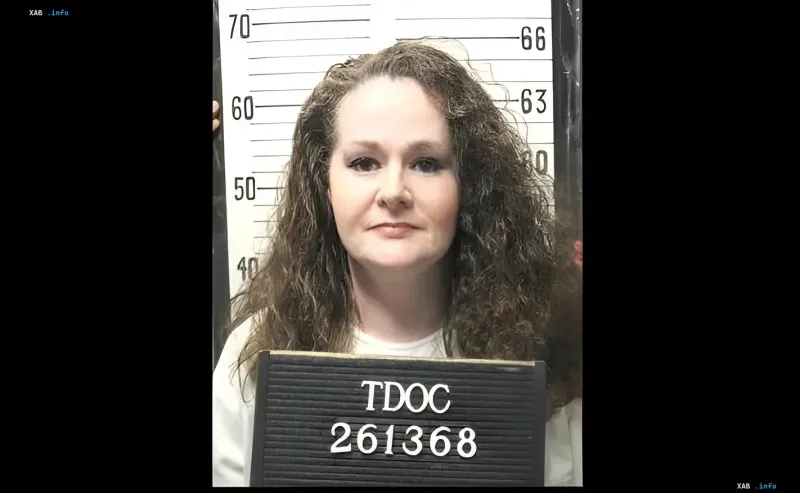
The botched execution of death row inmate Krista Pike in Tennessee has drawn public attention to systemic problems within the U.S. penitentiary system. The incident on the evening of September 30 was far from the first failure in the lethal injection procedure, which was originally promoted by authorities as a humane alternative to the electric chair and gas chamber. Experts and human rights advocates note that the number of such disruptions is steadily growing each year, exposing deep technological and logistical flaws.
The Pharmaceutical Supply Crisis
Over the past decade and a half, the landscape of executions has drastically changed under pressure from the pharmaceutical market. Major drug manufacturers, as well as leading medical associations in the U.S. and Europe, have imposed strict restrictions on the use of their products to take human lives. The British human rights organization Reprieve initiated large-scale campaigns against the export of these drugs, forcing U.S. states to seek alternative supply channels. Consequently, prison departments have had to turn to unregulated compounding pharmacies and questionable suppliers.
Expert Assessments and Failure Statistics
Austin Sarat, a professor of law and political science at Amherst College, emphasizes that the percentage of individuals who survive or face horrific suffering has significantly increased. According to his data, while about 7% of lethal injection executions between 1890 and 2010 ended in incidents, the failure rate has climbed to nearly 8% since 2010—surpassing the average failure rate of all execution methods combined. Corinna Barrett Lain, a professor at the University of Richmond School of Law, described the process as "extremely complex and error-prone," noting the involvement of untrained personnel and drugs of questionable quality.
Contradictory Data
While official state corrections departments insist on the controlled nature of the procedures and adherence to safety protocols, independent experts and medical researchers report a systemic concealment of the problem's scale. Discrepancies exist regarding both the exact percentage of complications and the legal liability for using drugs not approved by the FDA. Furthermore, reports on the physical condition of inmates after botched procedures vary: official reports often limit themselves to mentions of "technical delays," whereas independent sources report critical conditions among the victims.
Historical Context of the Method
The lethal injection method was developed in Oklahoma in 1977 and first used in Texas in 1982. The original protocol involved a strictly calibrated three-drug regimen: sodium thiopental as an anesthetic, pancuronium bromide as a paralytic agent, and potassium chloride to stop the heart. However, a shortage of certified drugs disrupted this scheme, forcing states to experiment with unlicensed alternatives, which ultimately led to a series of humanitarian and technological disasters in the nation's prisons.