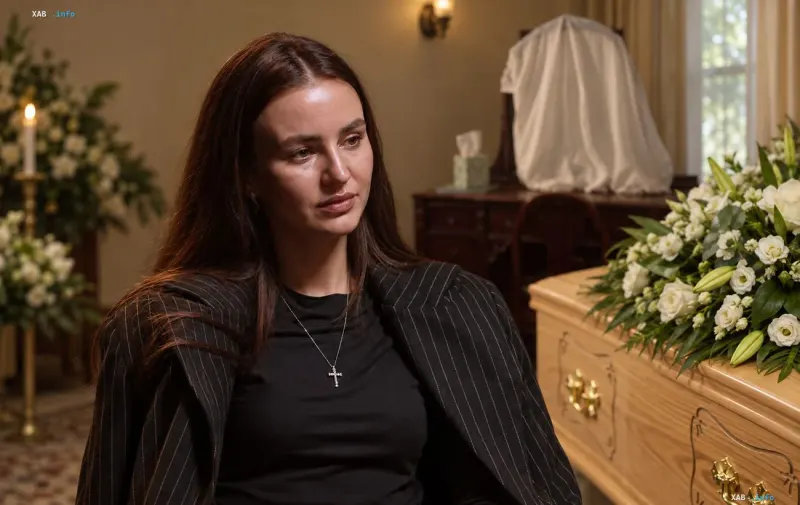
Anna Koplakovska, an employee of a funeral agency, spoke in an interview with Dmytro Tyutyun on the program "Neseriozna Rozmova" about the main funeral prejudices, superstitions, and stereotypes surrounding the funeral business. According to her, most folk omens have nothing to do with reality, yet certain myths still make people fear ordinary actions out of superstition.
Do Superstitions Affect the Work of Funeral Services
Funeral prejudices are passed down from generation to generation, forming entrenched stereotypes about the work of funeral agencies. Anna Koplakovska and her colleagues do not believe in mystical omens, but their practice included a case that made the team rethink their attitude toward one unusual request. Previously, the agency allowed people to lie in an empty coffin out of curiosity, but after one such person died shortly afterward, staff became cautious about such experiments. Despite this, Anna emphasizes that she considers the incident a coincidence rather than a mystical sign.
Personal Hardships and Difficult Conversations with the Military
A separate point of pain for funeral industry workers is when Ukrainian defenders approach them. Anna shared that military personnel sometimes jokingly ask about the cost of their own funerals, which deeply hurts the agency's staff. She urges servicemen not to think about such things and to focus on living. Furthermore, the interview discussed the tradition of leaving personal items in the coffin, such as cigarettes or alcohol. The specialist explained that this is done solely out of the relatives' desire to keep something familiar and important to the deceased close to them.
Debunking Myths About Mirrors, Photographs, and Embalming
Many people believe that mirrors in a deceased person's house must be draped so the soul doesn't see its reflection and become frightened, or that the body should not be left at home overnight or photographed. Anna Koplakovska refuted these myths, explaining that leaving the body at home depends entirely on weather conditions and temperature. In hot weather, natural processes accelerate, so specialists recommend using special storage facilities. Regarding pre-planning funerals, the specialist called it normal practice, allowing people to choose music, atmosphere, and clothing for the ceremony in advance without any mystical connotation.
The Truth About Prices, Imposed Services, and Industry Stereotypes
Society often accuses the funeral business of callousness and imposing expensive services on people in a state of shock. Anna admitted that unscrupulous intermediaries do exist in the market, trying to profit from someone else's grief, but all employees should not be tarred with the same brush. At her agency, work is built on transparent dialogue: specialists first clarify the family's budget and all wishes, treating a modest ceremony and a large-scale farewell with equal responsibility. The specialist also confirmed that the appearance of the deceased can be corrected, but this requires professional skills.
The Importance of an Open Conversation About Funeral Traditions
Open discussion of funeral prejudices and the inner workings of the funeral business helps break down fears and stereotypes that burden people for years during moments of loss. Understanding that behind mourning rituals stand ordinary people ready to provide delicate support and accommodate any family wishes reduces stress levels for relatives. Debunking myths about coffins, mirrors, and pre-planning allows us to view the funeral services sector through the lens of humanity, respect for memory, and common sense.