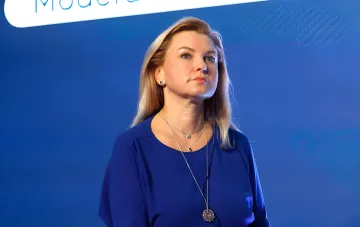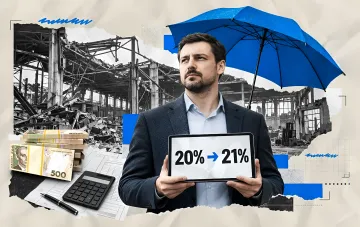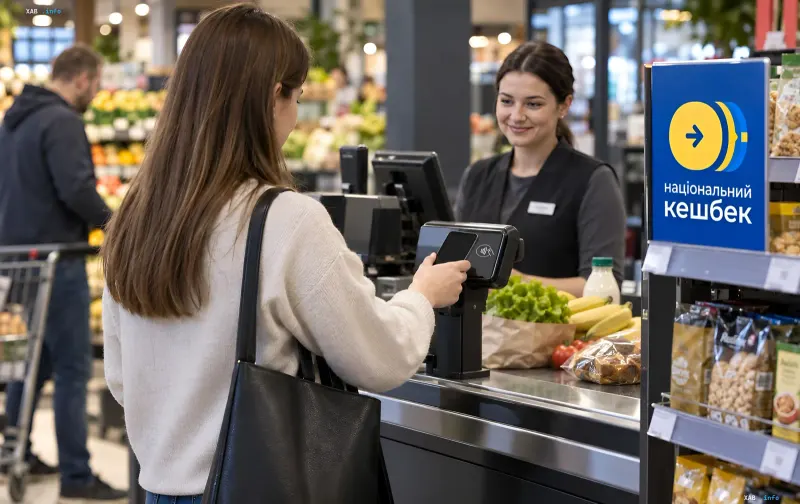
The fate of the state support program for domestic producers, "National Cashback," remains a subject of intense discussion among Ukraine's top officials. As of the end of September 2026, a final decision regarding its operation next year has not yet been made, but the government is considering scenarios for substantial transformation or even funding cuts. Minister of Economy and Environmental Protection Oleksandr Kravchenko, in a recent interview with Forbes Ukraine, detailed the potential development paths for the initiative amid strict budgetary savings.
Background and Current Status of the Program
Recall that the "National Cashback" program was launched to stimulate domestic demand and support Ukrainian manufacturers of goods and services. Since March 1, 2026, the mechanism has undergone changes, transitioning to a differentiated model where accruals directly depend on the specific category of purchased products. Furthermore, in May of this year, the Cabinet of Ministers officially extended the initiative until April 30, 2028, confirming its importance for the national economy.
Cabinet's Plans for 2027 and Austerity Measures
However, the complex economic situation and the shortage of state funds are making adjustments. Prime Minister Serhiy Koretsky, during his September speech in the Verkhovna Rada, announced the need to introduce strict budgetary savings to strengthen the country's defense capabilities. As a result, the draft state budget for 2027, which has already been submitted to parliament, did not include specific target funds for large-scale financing of the "National Cashback" program, causing a wave of discussions in society and expert circles.
Contradictory Data
The issue of preserving state support is accompanied by serious disagreements among government officials. On one hand, Minister of Economy Oleksandr Kravchenko allows for the preservation of the program, but subject to its deep modernization: the budget could be reduced by 2.5 times (with savings of up to 4 billion hryvnias per year), and payments will be targeted specifically at product categories facing aggressive imports. On the other hand, Daniil Hetmantsev, head of the Verkhovna Rada Committee on Finance, Tax, and Customs Policy, previously called "National Cashback" an example of inefficient resource use and a mistake that should be completely abandoned in favor of direct business lending.
Expert Assessments and Economic Consequences
Financial analysts note that for the first eight months of 2026, the general fund of Ukraine's state budget undercollected 33.1 billion hryvnias of planned revenues, forcing the Cabinet to revise its expenditure side. The discussion surrounding cashback reflects the eternal balance between the need for targeted consumer support and the demands of fiscal discipline in wartime conditions. If Kravchenko's compromise option is adopted, the program will lose its mass character but will be able to act as a targeted protectionist barrier for vulnerable sectors of Ukrainian industry.