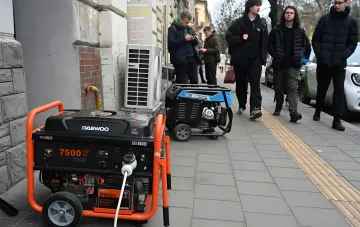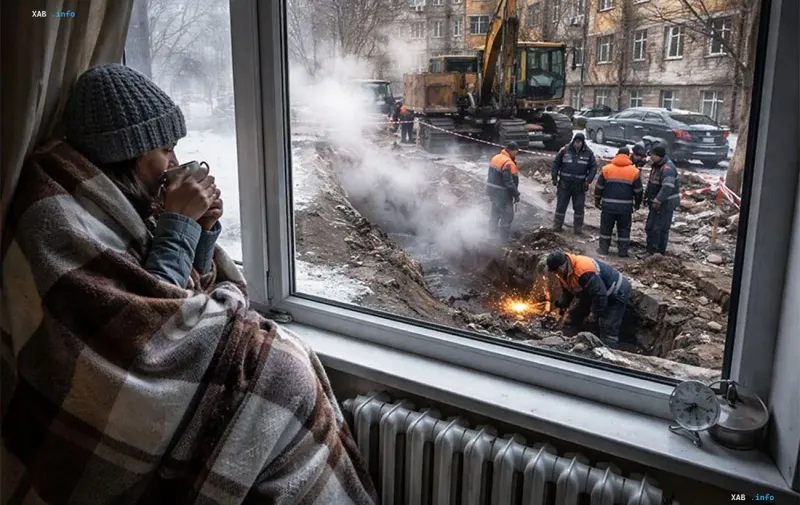
Kyiv has launched active preparations for the winter season to address potential emergencies involving power and heating supplies. The capital's authorities are establishing a network of energy-autonomous institutions for the temporary accommodation of mobility-impaired citizens, while also developing targeted home-care mechanisms for those who refuse to leave their apartments.
Preparation of Autonomous Facilities and Backup Spaces
The city government is utilizing existing infrastructure objects, equipping them with alternative power and heat sources. Marina Honda, Deputy Head of the Kyiv City State Administration, reported that special attention is being paid to lonely elderly people, citizens with disabilities, families with disabled children, and large families.
Private boarding houses and facilities have joined the initiative, offering additional space for temporary accommodation. Furthermore, the bed capacity and capabilities of municipal hospitals are expanding, as they are also being transitioned to operate with autonomous sources of light, heat, and water to ensure uninterrupted care for those in need.
Refusal of Evacuation and Targeted In-Home Support
According to surveys conducted by social services, about 90% of vulnerable categories plan to stay at home even in the event of a critical worsening of the situation. Single elderly people maintain the most categorical position, refusing to leave their familiar living conditions, which forces the city administration to restructure social assistance logistics.
Consequently, relevant departments and the municipal humanitarian headquarters are establishing partnerships with charitable foundations and public catering enterprises. The main task is to create a reserve of hot meals and organize their targeted delivery to residents who, during a prolonged absence of electricity and heat, will not be able to cook food independently.
Data Verification and Infrastructure Preparation
Since May of this year, municipal services have been conducting large-scale work to update lists of mobility-impaired residents in need of support. Since current legislation prohibits the Pension Fund and medical institutions from transferring personal data of citizens, social workers must verify the information independently.
This ongoing work allows the targeted service to determine in advance the volume of necessary assistance and resources required during the winter period. Full-scale preparation of municipal and private institutions for potential blackouts aims to minimize risks for the most vulnerable segments of the Ukrainian capital's population.
Significance of Preventive Measures for the Capital's Energy Security
The city administration's comprehensive approach to protecting vulnerable citizens demonstrates a high degree of readiness for the winter challenges of 2026. Creating a dual support loop—on one hand through autonomous accommodation points, and on the other through targeted home delivery—makes it possible to account for the psychological traits of vulnerable population groups and guarantee them basic safety in critical situations.