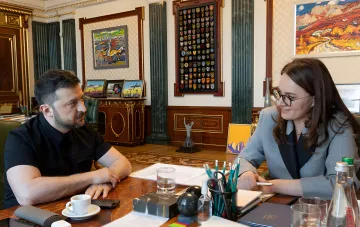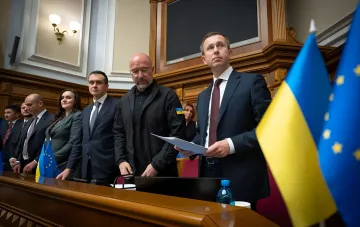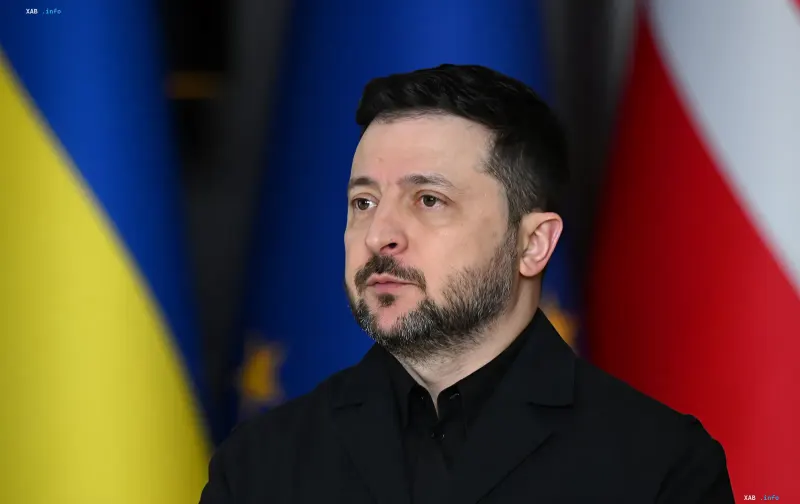
A major personnel reshuffle is brewing in Kyiv. Ukrainian President Volodymyr Zelenskyy's decision to update the composition of the Cabinet of Ministers is the result of several critical factors converging, rather than a reaction to a single specific event. According to RBC-Ukraine sources, the government reboot was triggered by revised winter forecasts, the need to strengthen the energy sector, and personnel issues in diplomacy.
Escalation and Winter Preparation
The primary trigger for the changes was the assessment of the upcoming winter. While Kyiv previously hoped for the imminent start of negotiations with Moscow, the country's leadership is now proceeding based on a scenario of continued war. Sources within the political and military leadership confirm: Russia is set on further military operations, and a ceasefire is not currently in sight.
Consequently, a new wave of attacks on energy infrastructure is expected. Experts predict that the next winter will be more difficult than the previous one. Additionally, a separate factor has been the campaign of Russian strikes on gas stations. To counter these threats, the government believes it is necessary to appoint specialists from the oil and gas industry.
The Candidacy of Serhiy Koretskyi
It is precisely in the context of the need for "oil people" in key positions that the candidacy of the head of Naftogaz, Serhiy Koretskyi, is being considered. The expert, who previously led the WOG network, Ukrnafta, and Ukrtransnafta, has already agreed to head the government, despite past refusals of this position. His experience in the fuel and energy complex appears most appropriate given the threat of large-scale attacks on infrastructure.
The Diplomatic Factor and Yulia Svyrydenko
Another reason for the government's resignation is the situation surrounding the current Ukrainian Ambassador to the US, Olga Stefanishyna. The activity of the National Anti-Corruption Bureau (NABU) regarding the diplomat is intensifying, creating risks for Kyiv's standing in Washington. A strong figure is needed in the US, and the current Prime Minister, Yulia Svyrydenko, is being considered for this role.
A precedent for replacing the ambassador occurred a year ago, when the departure of Oksana Markarova led to a change in the Cabinet of Ministers. Now, sources in the President's entourage call the situation with Stefanishyna the "last piece of the puzzle" that determined the necessity of changing the government.
Organizational Reasons and Strategy
In addition to external threats, Zelenskyy was guided by organizational considerations. After the conclusion of the plenary week, the Verkhovna Rada goes on recess until the second half of August. If the reshuffle had been postponed, they would have had to wait a month. Moreover, appointing a new Prime Minister now, in mid-summer, will give him time to sort out the budget for the next year without delaying it until autumn.
Interlocutors note that the President decided to act in advance, demonstratively showing who is the master of the house, and not waiting for the pressure of circumstances that could arise due to problems with winter preparations. It is expected that some ministers will retain their posts, while some ministries may be split into two.