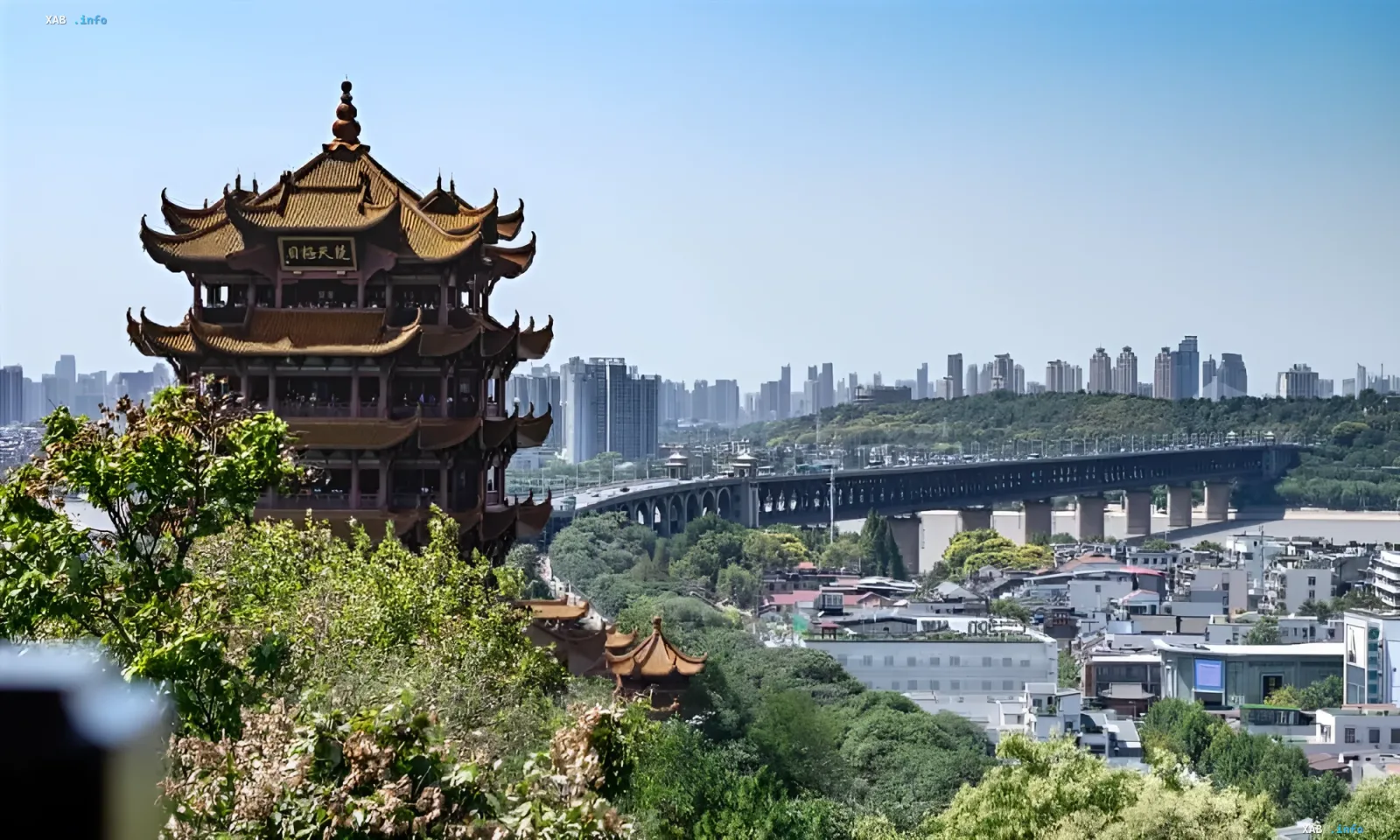
Wuhan, the capital of Hubei province in central China, is redefining the concept of urban spatial reconstruction by transforming old industrial zones along the riverbanks into vibrant green public spaces. This process marks the city's transition towards a sustainable development model and shared benefits for the entire community. A city closely linked to waterways, Wuhan has long been famous for the Yangtze River and the vast East Lake. However, for decades, the rapid growth of heavy industry inadvertently distanced its residents from their own waterfront spaces.
History of Transformation: From 'Steel City' to Ecological Park
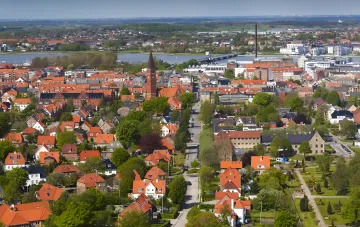
The Qingshan District, located on the banks of the Yangtze River, was once a bustling center of Wuhan's heavy industry, earning it the nickname 'Steel City'. In 2013, a large-scale reconstruction project was initiated for a 7.5-kilometer stretch of the waterfront in the district. According to Zheng Yuchen, a guide at the Qingshan Riverside Park, after the reconstruction, old industrial docks and sand collection points were relocated or completely dismantled. Thanks to environmental restoration efforts, the area has transformed from an industrial zone into an ecologically clean urban district.
Ecological Innovations: Sponge Park and Carbon Footprint
Currently, this world-class riverside area functions as a giant 'sponge park', capable of absorbing rainwater and sequestering up to 723 tons of carbon annually. This green space stretches harmoniously from the riverbank to East Lake. East Lake — China's largest urban lake — boasts a first-class 102-kilometer green route, including pedestrian and cycling paths where people can walk, run, or cycle. This green route has been recognized by the United Nations Human Settlements Programme as a model project for improving urban public spaces.
Social Aspect: People's Life in the New Space
'What I liked most were the sports courts, because they are everywhere and open to everyone. It's wonderful,' shared Odmaa Munkhzaya, a tourist from Mongolia. For local residents, this green path has a deeper personal significance. One resident expressed it this way: 'I think the most beautiful thing here is the people: families, couples, children, and the elderly enjoying life together.' From a planning perspective, to achieve its current appearance, the city of Wuhan previously developed a master plan for the coastal zone to restore the important role of the river in urban life through a comprehensive strategy.
Investments and Intelligent Transformation
The main goal of the plan was to facilitate access to the river and shoreline while minimizing the risk of seasonal flooding. Instead of simply improving the aesthetics of the existing flood control system, coastal zone planning also restores the connection between Wuhan and the Yangtze River. This is achieved through a combination of infrastructure, cultural, and landscape solutions aimed at creating a series of urban spaces that reflect the most distinctive and characteristic features of Wuhan. From an ecological perspective, this area, once a major industrial center in the Qingshan district, has undergone radical changes: 23 ports were dismantled or relocated, and 3 billion yuan (approximately 418 million US dollars) was invested in riverbank ecological rehabilitation projects.
Contradictory Data
On the one hand, official sources point to the successful transformation of the Qingshan district, where 23 ports were dismantled or relocated, and investments in ecological rehabilitation amounted to 3 billion yuan. On the other hand, some independent experts note that the transformation process was not fully completed, and some old industrial facilities are still in the process of relocation or dismantling. Furthermore, there are disagreements regarding the exact volume of investments and the efficiency of fund usage, as some sources indicate possible delays in project implementation.