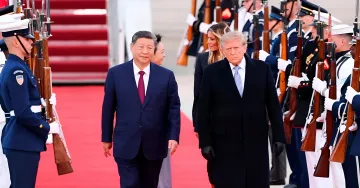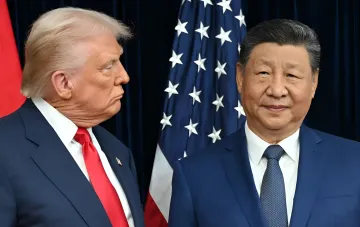
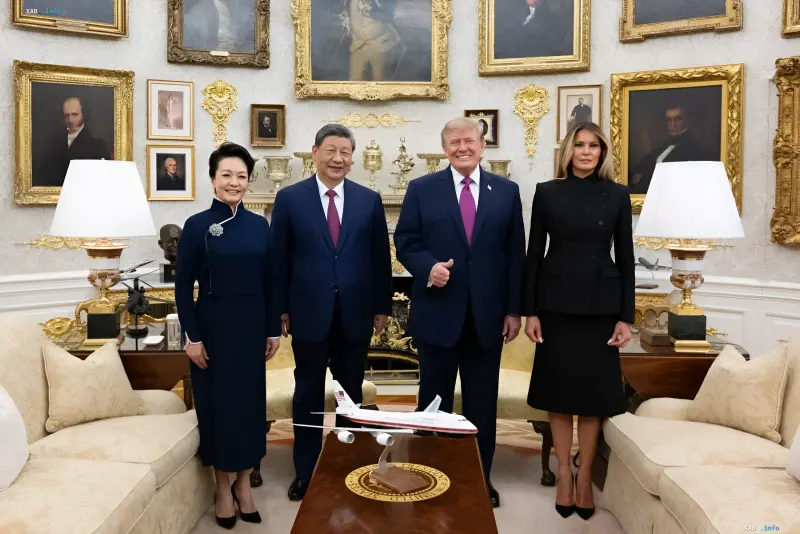
Following historic talks between US President Donald Trump and Chinese President Xi Jinping at the White House in Washington, statements were made that elevate the relations between the two superpowers to a new strategic phase. The Chinese leader, who is on an official state visit to the US on September 24–25, 2026, stated from the White House podium that the meeting with Trump took place in a 'sincere and profound' atmosphere, and the parties reached a new consensus on many important issues.
Background and Significance of the Historic Visit
The Chinese leader's visit to Washington attracted immense global attention amid ongoing geopolitical tensions and past trade disputes. During in-depth one-on-one negotiations, the leaders of the two nations discussed a wide range of bilateral and global problems. Xi Jinping emphasized that an open and deep exchange of views took place, enriching the content of constructive ties between Beijing and Washington and setting new guidelines for future cooperation.
New Trade Agreement and the Principle of 'Two-Way Street'
The most important practical outcome of the Washington summit was the achievement of a new joint trade agreement designed to ensure economic and commercial balance. The Chinese leader highlighted a key principle: 'cooperation is a two-way street.' In turn, US President Donald Trump stated at an official reception that, despite systemic differences, during his second presidential term, relations between the two countries have become stronger and friendlier than ever, putting an end to fears of new trade wars.
Contradictory Data
While official Chinese and American sources emphasize the exclusively positive nature of the agreements and the 'sincere' atmosphere of the talks, independent experts and Western analysts point to underlying disagreements on a number of geopolitical issues, including technological restrictions and regional security in the Asia-Pacific region. Nevertheless, both states demonstrated a readiness to put economic pragmatism above ideological differences.
Expert Assessments and Global Consequences
International analysts agree that the concluded deal acts as a reliable shield against the risks of a global recession. Abandoning the language of ultimatums in favor of mutual consideration of interests stabilizes supply chains and calms global stock markets. This historic consensus marks the transition of the leading powers from an era of open confrontation to pragmatic interaction on key international crises.