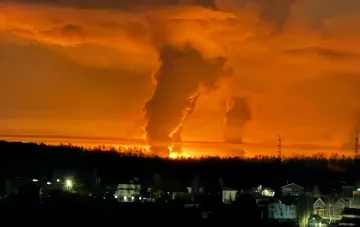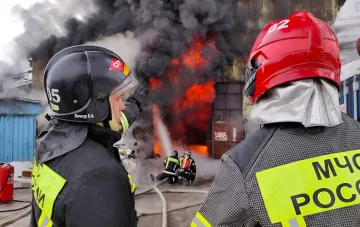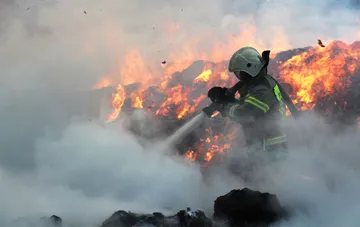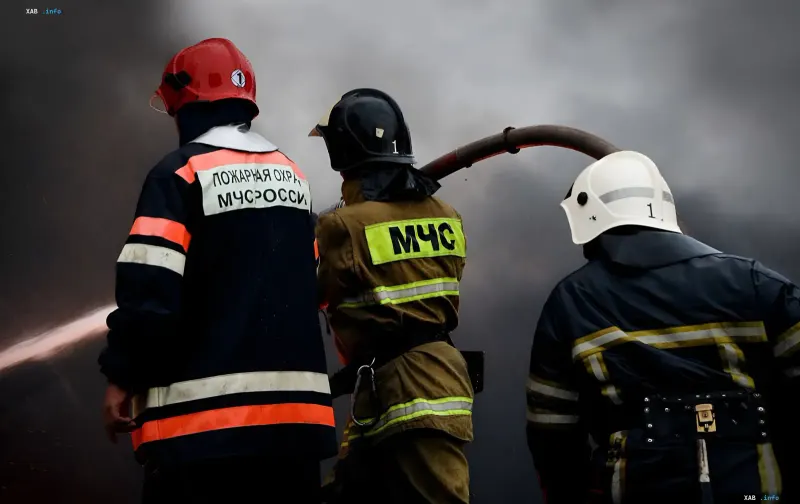
On the night of November 3, 2026, drones attacked the Yaroslavl Oil Refinery, an enterprise ranked among the top five largest refineries in Russia. According to OSINT analysts from the Russian publication ASTRA, a fire broke out on the territory of the Slavneft-YANOS plant on Moskovsky Prospekt. Local residents report at least three fire ignition points, while published footage shows a thick plume of smoke and open flames over the industrial zone.
What is known about the strike
Before the explosions, a drone danger alert was issued in the Yaroslavl Oblast. Following the strikes, eyewitnesses recorded loud explosions and a fire on the enterprise's grounds. According to one Telegram channel, Russian radars tracked about 150 drones during this wave. The exact scale of the damage had not been officially confirmed at the time of publication.
Which refinery was hit
The Yaroslavl Oil Refinery has been operating since 1961 and processes about 15 million tons of oil per year — roughly 300,000 barrels per day. The enterprise is owned by Slavneft, which is jointly controlled by Rosneft and Gazprom Neft. The plant produces gasoline, diesel fuel, fuel oil, aviation kerosene, oils, paraffins, and other petroleum products.
Why Yaroslavl was targeted
Fuel from Yaroslavl is supplied to the Central and Northwestern regions of Russia, as well as the Moscow Oblast. Consumers include airports and Russian military-industrial complex facilities, making the enterprise a significant target in terms of supplying fuel for military aviation and equipment.
Part of a systemic series of strikes
The strike on Yaroslavl is a continuation of the Defense Forces' methodical work on Russia's oil refining sector. According to OSINT analysts' estimates, a total of three major refineries were attacked over just three days (October 30 – November 1), which, by their assessment, disabled about 10% of Russia's refining capacity. The first in the series was the Novokuybyshevsk Refinery in the Samara Oblast (hit on the night of October 30, Rosneft group, about 8.8 million tons per year, including jet fuel). The following night, drones struck the industrial zone in Ufa, where the Bashneft-Novoyl plant with a capacity of about 7 million tons per year is located. And on November 1, a large-scale fire broke out following a strike on the Kstovo Refinery in the Nizhny Novgorod Oblast.
Other blazes on the same night
Simultaneously in the Ryazan Oblast, regional governor Pavel Malkov reported a fire on the territory of an oil refinery following a massive UAV attack; a warehouse and cars at another enterprise in Ryazan were also damaged, with no preliminary casualties reported. Classes in 14 schools and 25 kindergartens were cancelled in Ryazan. These events confirm that the strikes on oil refining infrastructure on the night of November 3 were massive in scale.