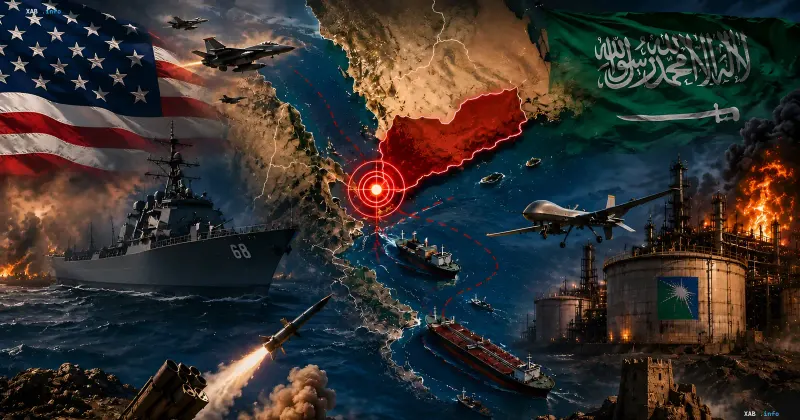
The situation in the Red Sea continues to escalate rapidly, turning the region into one of the hottest points of global instability. Houthi forces are intensifying their actions, exerting unprecedented pressure on shipping routes and critical energy infrastructure. This creates a direct threat to international trade and the stability of oil markets.
Yemen: The New Epicenter of Conflict
According to the European Council on Foreign Relations (ECFR), Yemen risks becoming a key front that will determine the course of the confrontation between the United States and Iran. Increased rebel activity in the region is forcing world powers to reconsider their security strategies. If tensions continue to rise, the consequences for regional stability could become irreversible.
Saudi Arabia's Dilemma
At the center of this storm is Saudi Arabia, which faces a difficult strategic choice. The Kingdom stands at a crossroads: continue the course of diplomatic resolution or radically change its military and political strategy in response to the growing threat. The decision made by Riyadh will largely determine how quickly the conflict could spill beyond Yemen's borders.
Global Economic Consequences
The escalation of events carries serious risks for the global economy. The threat to shipping in the Red Sea jeopardizes global supply chains, while instability in the energy sector could trigger sharp spikes in oil prices. Experts warn that further exacerbation of the situation will make these consequences obvious and painful for all participants in world trade.