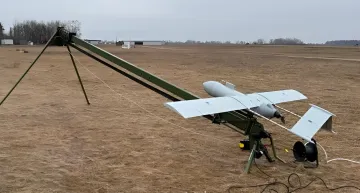
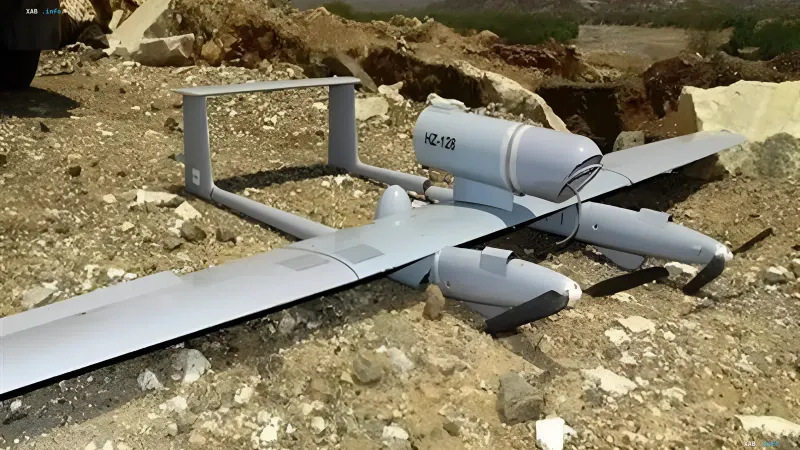
The situation in Yemen has intensified once again. Amidst the resumption of active hostilities between government forces and Houthi rebels, the Yemeni army has demonstrated its readiness to employ modern technologies to gain a tactical advantage. On August 15, 2026, intense attacks using unmanned aerial vehicles (UAVs) were recorded on the Makban front, located west of the city of Taiz.
New tactics: drone strikes on troop concentrations
According to Yemeni military sources, drones were used to conduct precision strikes on concentrations of Houthi manpower and equipment. This tactic aims to minimize losses among own troops while inflicting maximum damage on the enemy. A military source confirmed that as a result of the attacks carried out on August 15, three Houthi fighters were killed and several others were injured. Among the wounded, preliminary data suggests, were field commanders, which could significantly impact the operational management of rebel groups in this sector.
Multidirectional tension: from Taiz to Al-Daliyah
The use of drones was a reaction to the worsening situation on several fronts simultaneously. Pro-government forces report a rise in hotspots not only in Taiz but also in the Marib, Al-Jawf, and Al-Daliyah governorates. Combat encounters are characterized by positional warfare with elements of maneuver warfare. In Taiz itself, where the main forces of both sides are concentrated, casualties were also recorded among government troops: three soldiers were killed and seven were injured in the resulting firefights. This indicates that the Houthis are not losing the initiative and continue to offer stiff resistance.
Air Force modernization: expert assessment
Brigadier General Sadiq Al-Asiri, a representative of the Yemeni Air Force and Air Defense Academy, highly praised the decision to integrate unmanned systems into the combat order. According to him, this is a strategic step forward that strengthens the capabilities of the country's air force. The General emphasized that modern UAVs allow for a wide range of tasks to be solved: from reconnaissance, surveillance, and information gathering to target identification and direct combat support. The use of such aircraft allows the Yemeni army to act more flexibly and respond more quickly to threats.
Contradictory data
Currently, there is a discrepancy in the versions of the parties regarding the scale of losses and the outcome of the battles. An official Yemeni source claims that three Houthis were killed and field commanders were injured as a result of drone strikes. However, the Houthi side has not yet reacted to this information and has neither confirmed nor denied the data on losses. At the same time, Yemeni military officials acknowledge their own losses in Taiz (3 killed, 7 injured), which speaks to the high intensity of combat operations despite the use of high-tech weaponry. The lack of comments from the Houthis leaves room for interpretation of the real situation on the front lines.