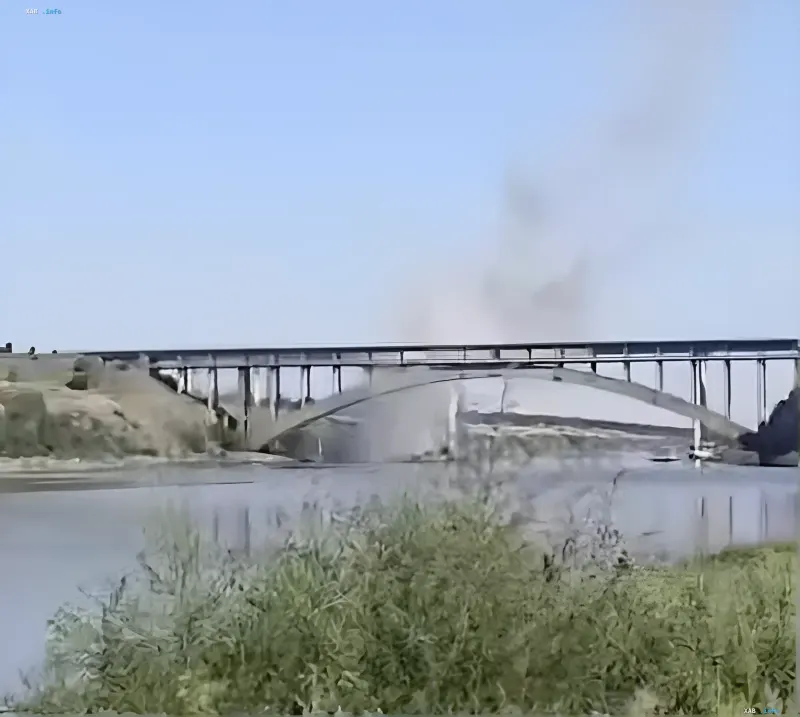
On August 16, 2026, the Zaporizhzhia region became the arena for a massive exchange of strikes on critical infrastructure. Events unfolded simultaneously in two directions: in Zaporizhzhia itself, controlled by Ukrainian authorities, and in the occupied Melitopol district. An analysis of official reports and fact-checking data allows us to reconstruct the full picture of events, which is often presented fragmentarily in the media.
KAB Strikes on Zaporizhzhia: Fires and Casualties in the Suburbs
Throughout the day, Russian aviation launched a series of strikes using guided aerial bombs (KABs) on the territory of Zaporizhzhia and its surroundings. According to information provided by the head of the Zaporizhzhia Regional Military Administration, Ivan Fedorov, one of the strikes hit a municipal infrastructure object, causing a major fire. City services have confirmed the fire, but for security reasons, they do not comment on the exact coordinates or the nature of the damaged object.
Russian sources claimed to have hit the area of the Preobrazhensky Bridge, however, the Ukrainian side does not confirm a direct hit on the bridge structure itself. In the city itself, according to rescue workers, casualties were avoided. More serious consequences were recorded in the suburbs: in the villages of Viktorivka and Mykhailivske, KABs hit residential houses. Two people died under the rubble, and one more was injured. Emergency services continue to work at the scenes of the incidents.
Ukrainian Counterstrike: Destruction of the Railway Bridge in Svitolodolynske
Synchronously with the attacks on Zaporizhzhia, the General Staff of the Armed Forces of Ukraine officially confirmed the conduct of an operation in the deep rear of the enemy. On the night of August 16, Ukrainian forces launched a precision strike on a strategic railway bridge in the area of the occupied Svitolodolynske (Melitopol district).
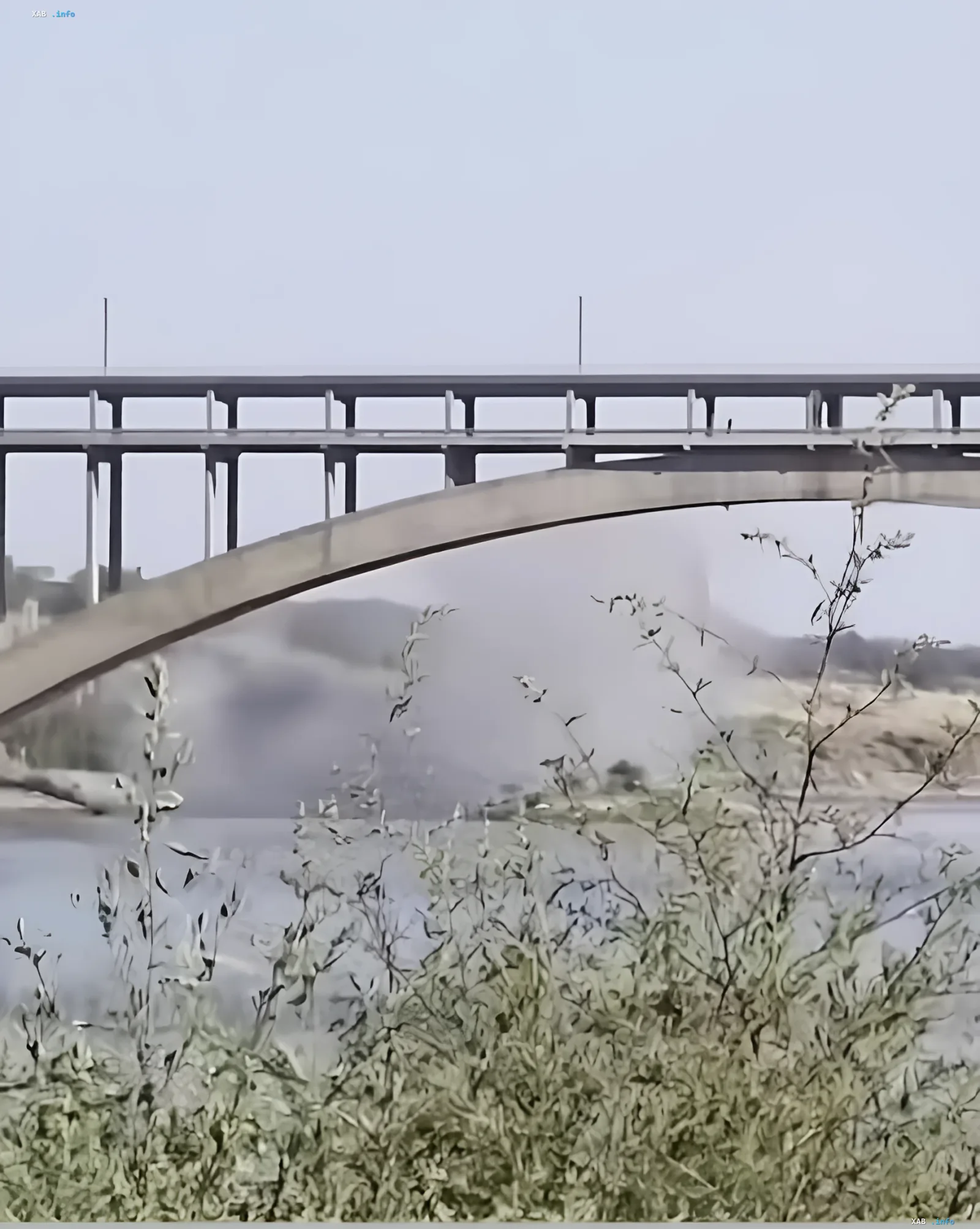
This bridge was a key element of the Russian military's logistical chain, ensuring the transfer of trains with heavy equipment and ammunition from Crimea towards Tokmak and Rabotino. As a result of the strike, the bridge spans and the railway track sustained critical damage. Train movement on this section has been completely blocked, which, according to military analysts, will create significant difficulties for supplying the Russian grouping on the southern flank.
Contradictory Data
An analysis of information regarding events in Zaporizhzhia has revealed discrepancies between the parties' versions concerning the targets and results of the strikes. Russian sources claim that the target of the KAB attack was the Preobrazhensky Bridge and assert that damage was inflicted on the crossing infrastructure. At the same time, the leadership of the Zaporizhzhia Regional Military Administration and city services confirm only the fact of a fire at an infrastructure object in the city, without specifying whether it was a bridge, and note the absence of casualties within the city limits. Meanwhile, data on casualties in the suburbs (Viktorivka and Mykhailivske) is confirmed by both sides, although Russian sources often ignore these details, focusing on 'military targets'.
Strategic Context: War for Communications
The events of August 16 demonstrate the transition of hostilities into a phase of strict mutual blocking of supply routes. The Russian side is attempting to use mass KAB strikes on Zaporizhzhia to isolate the theater of military operations and restrict the maneuverability of Ukrainian reserves. The Ukrainian counterstrike on the bridge in Svitolodolynske is aimed at creating a logistical dead end for the Russian military, forcing them to use longer and more congested routes through Mariupol. In the context of the approaching winter period, the effectiveness of such strikes on infrastructure will play a decisive role in the course of hostilities.