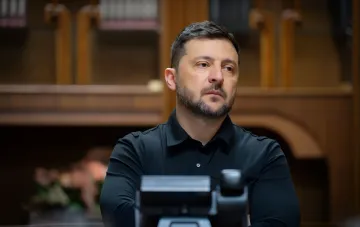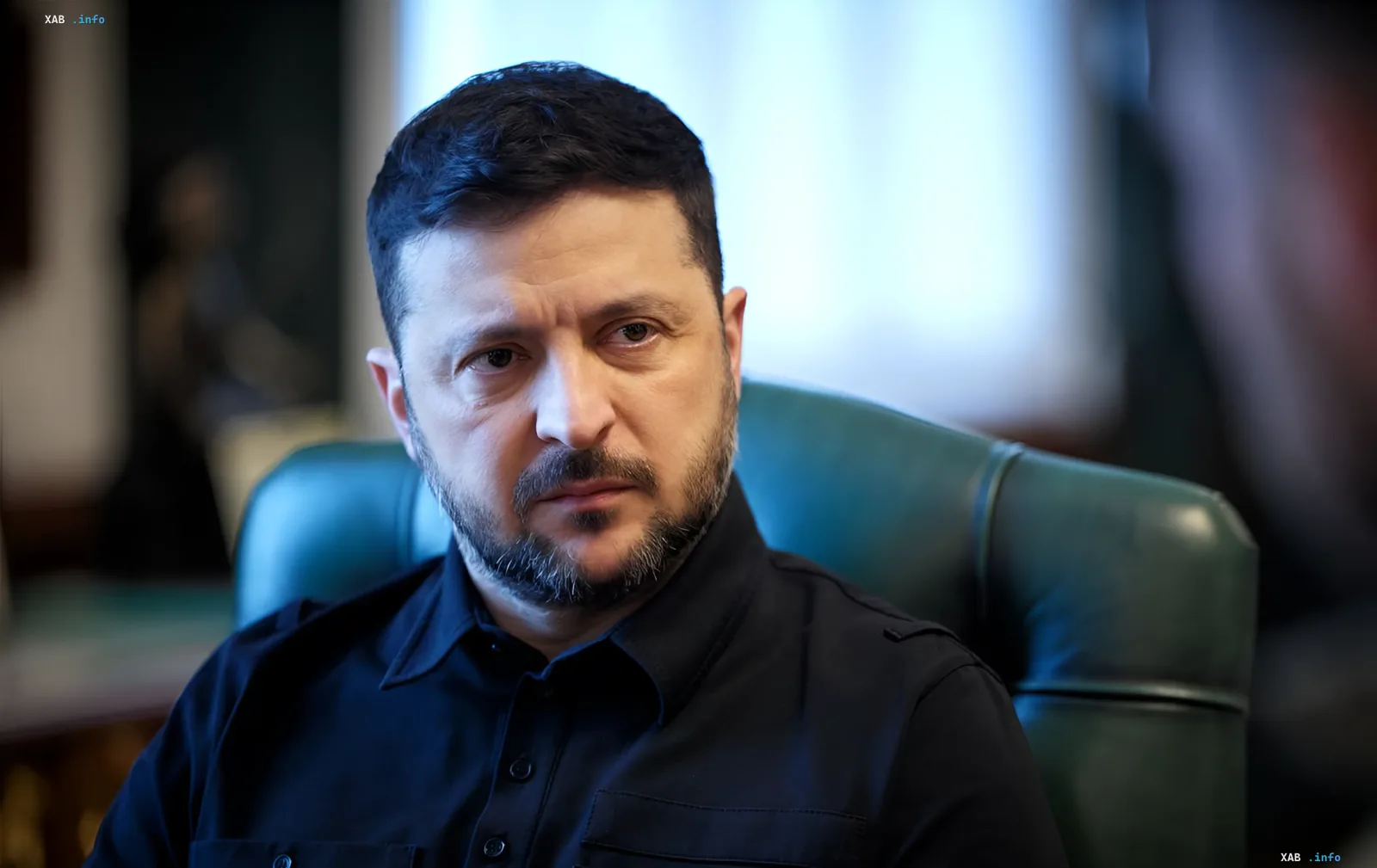
On Tuesday, September 15, Ukraine's Verkhovna Rada is set to consider President Volodymyr Zelensky's proposal to dismiss Prosecutor General Ruslan Kravchenko. According to the head of state, there should be enough votes from the people's deputies to support the dismissal. Zelensky publicly called on all MPs to back the decision to fire the prosecutor general, noting that he had already suspended Kravchenko by his own decree, and that the dismissal proposal has been sent to parliament. "Ukraine has seen the reasons for this, and there should be enough votes," the president emphasized.
Timeline of the Scandal Around the Prosecutor General's Office
The crisis around Kravchenko began in early September. On September 4, the National Anti-Corruption Bureau (NABU) and the Special Anti-Corruption Prosecutor's Office (SAPO) announced the exposure of a criminal organization within the Prosecutor General's Office which, according to the investigation, was "protecting" a network of fraudulent call centers. On the same day, Serhiy Krapiva, deputy head of the international department of the PGO, was detained. Later, on September 7, Kravchenko commented on mentions of his name in the released recordings, stating that the conversations captured on them "have nothing to do" with either him or the prosecution. The climax came on September 14: Kravchenko signed a suspicion notice against NABU Director Sem Kryvonos, after which Zelensky submitted the dismissal proposal to the Rada and suspended him from office by decree.
Zelensky's Position and the Parliamentary Agenda
The president linked Kravchenko's dismissal to the need to "put a full stop" to the story of fraudulent call centers in Ukraine. In his words, the agenda includes bills introducing strict criminal liability for the activities of such call centers, and he asked MPs to support these initiatives. Thus, the vote on the prosecutor general's dismissal fits into a broader package of anti-corruption and law enforcement measures that the Presidential Office intends to push through parliament.
Contradictory Data
The parties' versions of the scandal's essence diverge significantly. On the one hand, NABU and SAPO claim the existence of a criminal organization directly within the Prosecutor General's Office that was "protecting" the call centers, and the Presidential Office stated that Kravchenko's decision to sign a suspicion notice against NABU Director Kryvonos had not been coordinated with the Presidential Office. On the other hand, Kravchenko himself denies any involvement in shielding the call centers' activities, pointing out that the prosecution employee who may be linked to the case has already been suspended from duty, and insists that the released recordings have nothing to do with either him or the prosecution. Additional tension is added by the fact that overnight Kravchenko left Ukraine through a border crossing point on the Polish border, calling it a business trip abroad — at a moment when the dismissal procedure against him had effectively been initiated. These discrepancies in assessments and in the timeline of the parties' actions require careful fact-checking in further coverage of the topic.
What Comes Next
The key event of the coming days will be the vote in the Verkhovna Rada on September 15. If the dismissal proposal is supported by a sufficient number of votes, Kravchenko will officially leave the post of prosecutor general, opening the question of appointing a new head of the Prosecutor General's Office. In parallel, parliament is to consider bills on tightening liability for fraudulent call centers. The outcome of the vote and the reaction of law enforcement agencies will determine the further dynamics of the conflict between the Presidential Office, the Prosecutor General's Office, and the anti-corruption bloc.