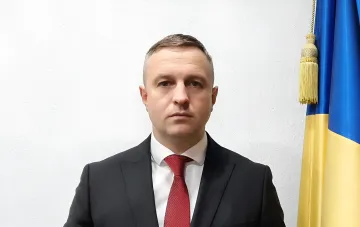
Ukrainian President Volodymyr Zelensky has announced a decision to restore mandatory asset declaration for employees of law enforcement agencies and the security forces who are not engaged in combat operations. According to reports by Ukrainian media, the head of state stated that the new requirements are aimed at restoring real oversight of the wealth and lifestyle of security personnel serving in the rear.
Who Will Be Affected by the Return of Declaration
According to the president, the scope of mandatory declaration will be defined in such a way as to guarantee effective oversight of the asset position and expenditures of security structure employees. The key selection criterion, as it follows from the statement, is the person's absence at the front: declaration will return precisely for those law enforcement officers and military personnel who are not in the combat zone. Thus, the authorities are attempting to close a gap in anti-corruption oversight that has emerged under martial law.
Large-Scale Audits of Central Executive Bodies
In addition to declaration, Zelensky stated the need to carry out a large-scale audit of the leadership of central executive bodies. Under his words, oversight will cover both officially appointed heads and acting officials. The head of state specifically named structures with high corruption risks: "From the tax authority, ARMA, to various inspections that have high corruption risks."
Context: Recent Corruption Exposés
The announcement of the measures coincided with a series of high-profile exposés. In Ternopil Oblast, two tax service officials were caught extorting bribes: for money they promised businesses to reduce the size of fines and speed up the refund of VAT. In parallel, the SBU uncovered a corruption scheme in the Luhansk Regional State Administration, where officials attempted to appropriate about 5 million hryvnias of budget funds during public procurement, artificially creating the appearance of competition in tenders. These cases, it seems, became one of the reasons for strengthening oversight.
What This Means in Practice
Taken together, the announced steps form a package of measures aimed at restoring the anti-corruption framework within the security bloc and central bodies. For officials, this means the return of public reporting on income and assets, and for the leadership of key structures — the risk of unscheduled audits. The final scope of declaration and the list of bodies to be audited are expected to be set out in the relevant regulatory acts.