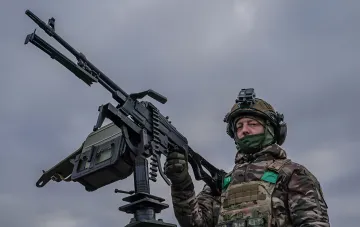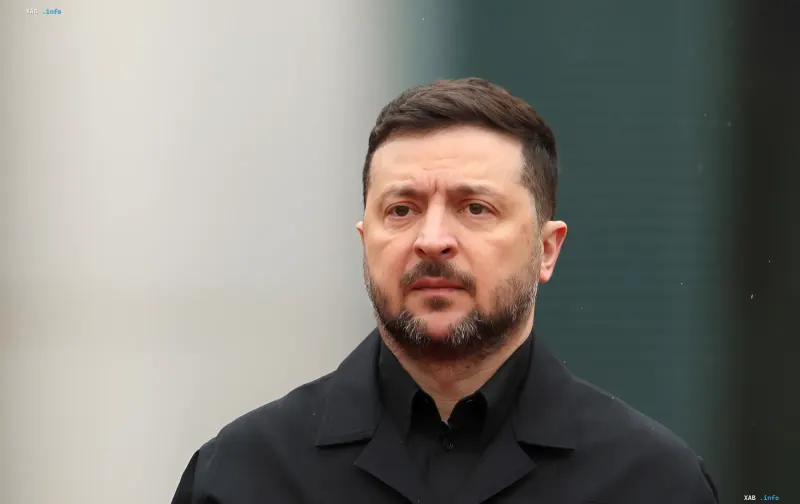
On the night of Tuesday, September 29, 2026, the Ukrainian air defense system repelled a large-scale air attack by the Armed Forces of the Russian Federation, recording successful interceptions of ballistic missiles. Ukrainian President Volodymyr Zelenskyy officially announced this, emphasizing the high efficiency of combat crews and anti-missile defense units in key areas protecting the country's airspace.
The Head of State expressed special gratitude to international partners for their military assistance, specifically highlighting the US and Norway for supplying NASAMS air defense systems and ammunition packages, as well as France and Germany for providing critical missiles for Ukraine's air defense needs. According to the president, amid ongoing Russian escalation, it is vital to maintain stable supply chains and continuous support for Ukraine's defense potential.
IMAGE__1Large-Scale Destruction and Casualties Across Regions
The night enemy attack affected several regions of the country at once, including Kyiv, Odesa, Zhytomyr, Dnipropetrovsk, Kharkiv, Sumy, Donetsk, Zaporizhzhia, Volyn, and Rivne regions. In the capital, debris falls and direct hits caused serious infrastructure damage: the depot of the Kyiv-Pasazhyrskyi railway station, data centers, business centers, and multi-story residential buildings were damaged. In the Odesa region, strikes hit an educational institution, a dormitory, port infrastructure, and two foreign vessels, injuring at least eight people.
Special attention was paid to the situation in the Zhytomyr region, where Russian troops launched about a dozen strikes on transport and fuel infrastructure facilities, as well as civilian enterprises in Zhytomyr, Korosten, Zviahel, and Ovruch. Energy facilities, electrical substations, and industrial enterprises came under attack across the country. Recovery operations and rescue work at the impact sites are ongoing around the clock.
IMAGE__2Contradictory Data
While covering the overnight massive attack, certain discrepancies emerged in various sources regarding the scale and exact number of intercepted targets. Official reports from the Ukrainian Air Force Command and statements by President Volodymyr Zelenskyy emphasize the successful operation of air defense and the downing of ballistic missiles using NASAMS complexes and Western ammunition. At the same time, local administrations and specialized agencies record multiple impacts and hits on critical, energy, and transport infrastructure facilities in several regions, indicating a high density of strikes and the passage of some missiles and drones through air defense coverage zones.
The massive strike on civilian and energy facilities in Ukraine at the end of September 2026 once again demonstrated the unchanging tactics of Russian forces targeting rear infrastructure ahead of the autumn-winter period. Experts note that the unprecedented intensity of attacks using ballistic weapons requires Western allies to rapidly expand the range of supplies and accelerate logistics chains for transferring long-range air defense systems.