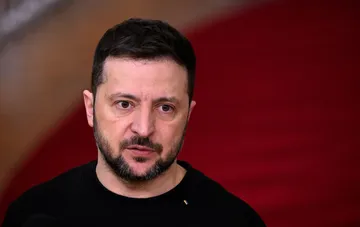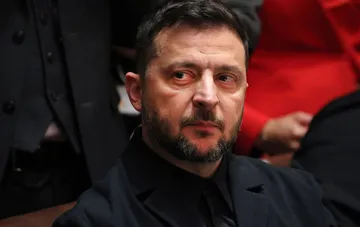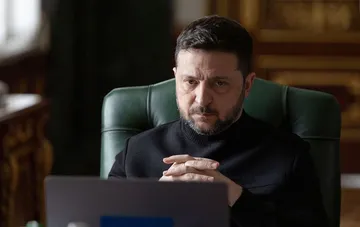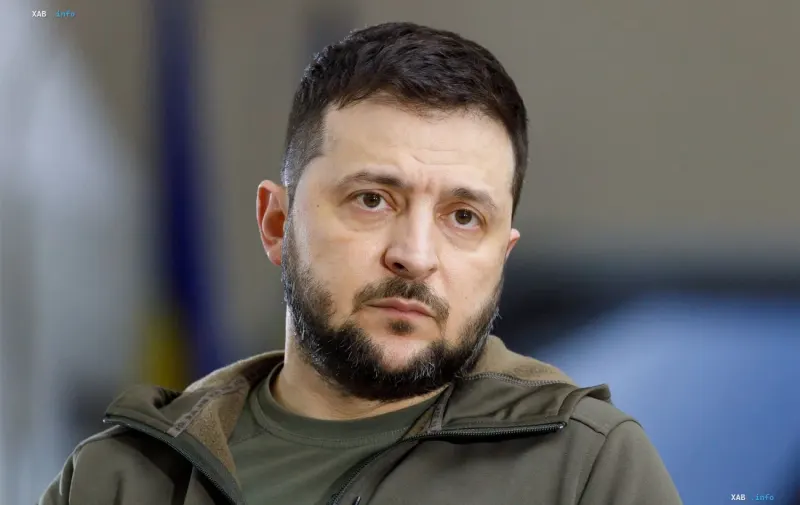
Ukrainian President Volodymyr Zelenskyy has commented on recent statements from Moscow regarding the possible resumption of dialogue and the approaching end of the conflict. Speaking on the national telethon «United News», the Ukrainian leader noted that Russia's agreement to negotiate does not yet guarantee that talks will actually take place, urging a pragmatic approach and assessment of the situation based on concrete results.
Influencing Factors and Potential Agreements
According to the head of state, the exact reasons behind the Kremlin's sharp rhetoric shift and desire to resume contacts remain unclear. At the same time, Zelenskyy suggested the possibility of behind-the-scenes agreements between the United States and Russia that the Ukrainian side is currently unaware of. He also drew attention to foreign policy factors, including potential escalation processes in the Middle East, and added that the venue for potential meetings—whether in Abu Dhabi or a European capital—has not yet been finalized.
Warning to Washington Regarding Sanctions
In his speech, the Ukrainian president paid special attention to the position of Western partners, particularly the United States. Zelenskyy expressed serious concern over the potential lifting of existing restrictions against Moscow ahead of a trilateral summit, the necessity of which he considers unquestionable. The head of state emphasized that restrictive measures were introduced as a reaction to aggression against Ukraine, rather than as an instrument for diplomatic bargaining or preliminary concessions.
Context of the Negotiation Process and Kremlin Position
The statements from the Ukrainian leadership came against the backdrop of reports from Moscow about alleged progress and prospects for ending military actions. Earlier, the Kremlin also voiced potential venues for multilateral consultations involving representatives from the US, Russia, and Ukraine. However, Kyiv insists on strict criteria for evaluating any initiatives and rules out the premature revision of sanctions pressure until real and lasting agreements are reached.