JD Vance's Call: A Turning Point in Ukraine's Strategy
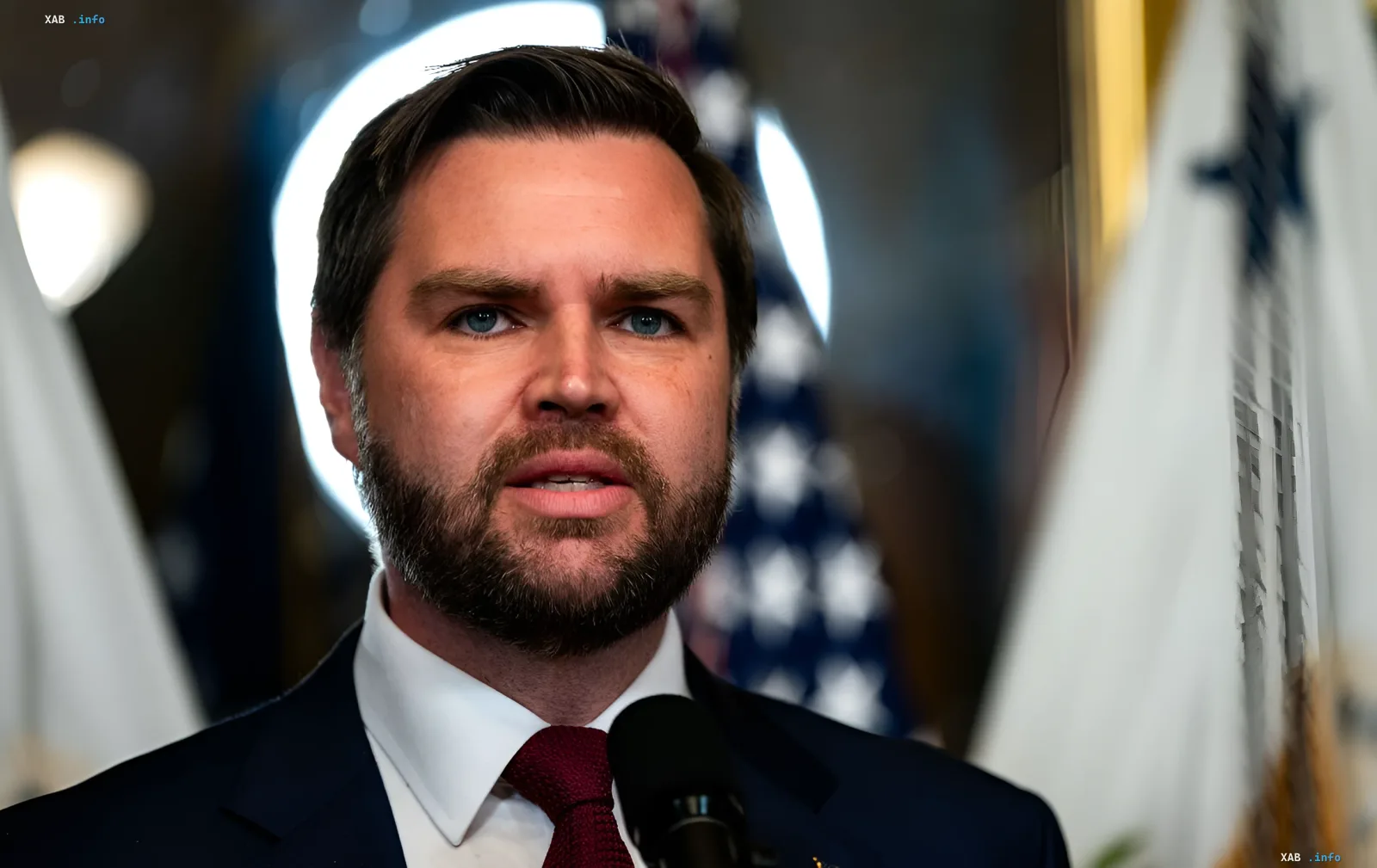
On July 31, 2026, a key diplomatic incident occurred that significantly altered the tactics of Ukrainian military operations in the Black Sea. US Vice President JD Vance personally contacted Ukrainian President Volodymyr Zelenskyy to insist on the cessation of attacks on oil tankers navigating the sea. According to insiders within Ukrainian government structures, this conversation became the decisive factor prompting Kyiv to change course. Zelenskyy ordered a "freeze" of the intense campaign of strikes against shipping, effectively ending a series of attacks that had previously caused serious concern in Washington.
US Economic Interests and the CPC Issue
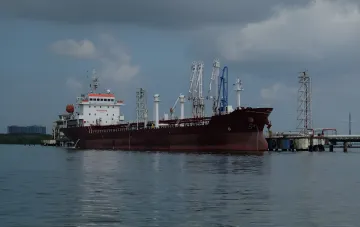
The pressure from the White House was driven not only by geopolitical considerations but also by direct economic interests. The US administration expressed dissatisfaction that the actions of the Ukrainian Armed Forces were destabilizing global oil markets and harming American companies. In particular, ships transporting oil from Kazakhstan through the Caspian Pipeline Consortium (CPC) terminal in Novorossiysk were targeted. Experts note that the export of Kazakh oil was under real threat of disruption, calling into question the stability of supplies for global US partners.
New Rules of the Game: "Mechanisms" for Target Filtering
Following the conversation with Vance, the Ukrainian Defense Forces did not attack ships near the CPC terminal again. According to a high-ranking Ukrainian official, Kyiv created special "mechanisms" to fulfill the US request. President Zelenskyy promised to stop attacks on CPC infrastructure or non-Russian ships if they are not under Ukrainian sanctions and are not transporting Russian oil or other Russian cargo. "We are listening to our American partners," emphasized a source in Kyiv, confirming that dialogue with Washington and Astana regarding the CPC became one of the main topics of negotiations.
Contradictory Data
While official Ukrainian representatives confirm that the decision to cease attacks was made voluntarily within the framework of cooperation with allies, sources in military intelligence indicate that US pressure was unprecedented. Some experts believe that Zelenskyy may have taken this step not only due to diplomatic pressure but also out of the need to maintain access to Western military aid. At the same time, US representatives categorically deny that their request was an ultimatum, asserting that it was about a joint search for a solution to stabilize the energy market.