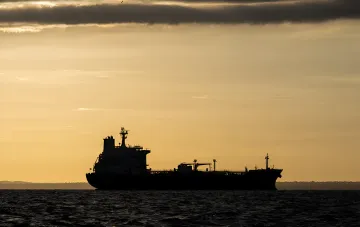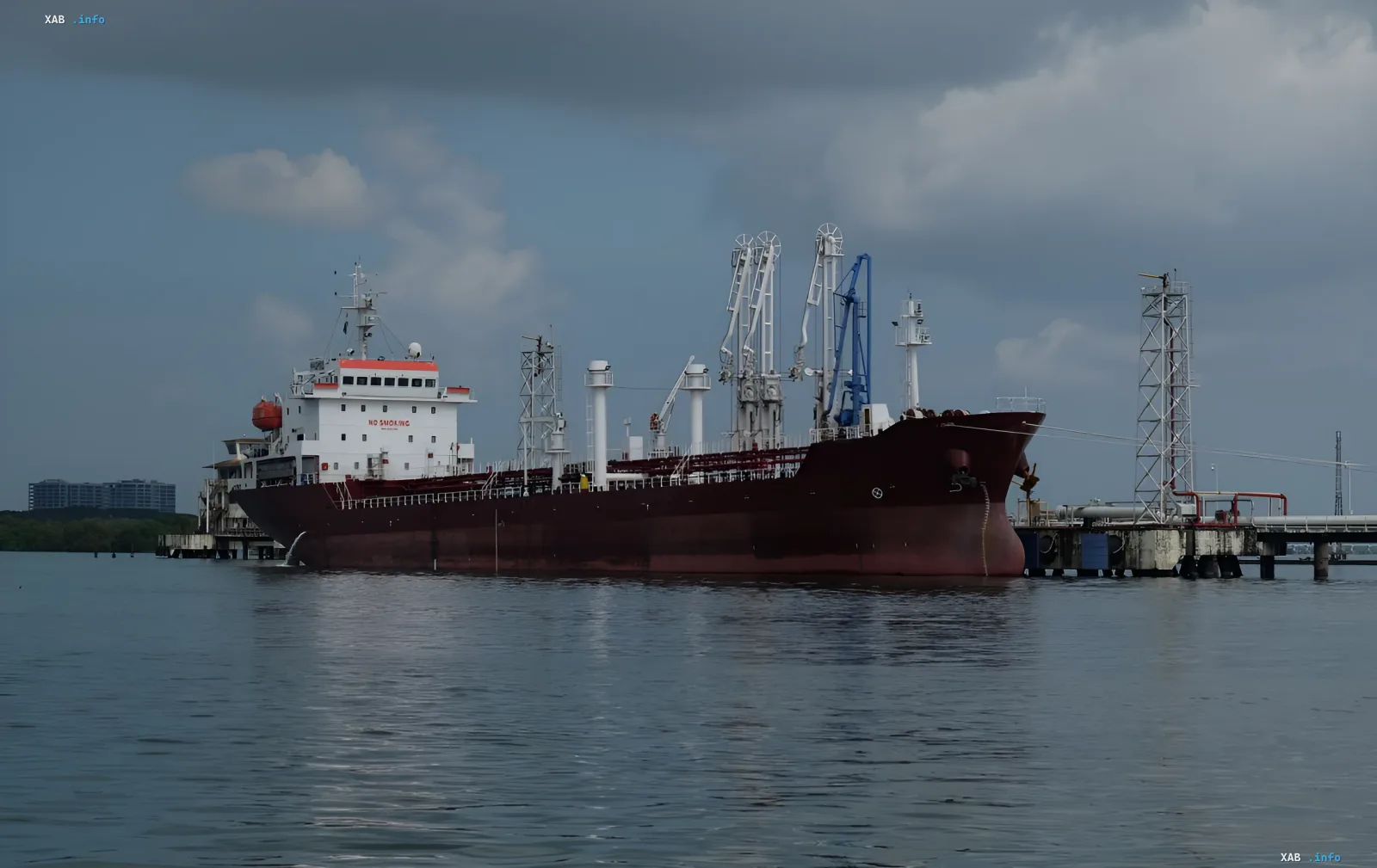
Amid growing global tensions and risks to energy security, Kyiv and Washington have reached a fundamental agreement concerning shipping in the Black Sea. According to data obtained from US government representatives, Ukraine has agreed to the creation of a "green corridor" for certain categories of oil tankers. This decision aims to protect the critical infrastructure of the Caspian Pipeline Consortium (CPC) and ensure the unhindered export of Kazakh oil, which is not subject to Ukrainian sanctions.
Safety mechanism and contact points
The essence of the agreement lies in the creation of special contact points through which commercial carriers can exchange information with the Ukrainian side. This will allow shipowners to confirm the status of their vessels and ensure safe passage through risk zones. According to sources, Ukraine has pledged to refrain from attacking CPC infrastructure and vessels heading to the Novorossiysk terminal, provided that a number of strict criteria are met. In particular, vessels must not belong to Russian individuals or legal entities, must not be transporting Russian oil, and must not be subject to Ukrainian sanctions.
Economic context: from the Strait of Hormuz to the US elections
This agreement will become particularly relevant in 2026, when the global oil market is under pressure from multiple factors. The war in Iran and the reduction of supplies through the Strait of Hormuz have already led to a raw material shortage, causing fuel prices to rise worldwide. For the US, this issue has become particularly acute ahead of the midterm elections in November, when economic indicators and gasoline prices will become a key factor for voters. The CPC terminal, through which about 2% of global crude oil supplies pass, is one of the few stable sources for European refineries that depend on Kazakh raw materials.
The role of Kazakhstan and CPC in global logistics
Kazakhstan, lacking significant alternative export capacity, is critically dependent on the operation of the CPC. Last month, against the backdrop of a series of attacks on tankers in the Black Sea, Kazakhstan was forced to suspend supplies to the terminal due to shipowners' fears. This created a threat of contract breaches, including projects involving the American company Chevron. The agreement with Ukraine is intended to restore investor confidence and re-establish logistics chains that were previously disrupted due to concerns about vessel safety near Novorossiysk.
Contradictory data
Despite optimistic statements about reaching an agreement, experts note certain risks and inconsistencies. On the one hand, an official US representative states Kyiv's full readiness to cooperate and create safe conditions. On the other hand, last month the US was forced to warn Ukraine against striking non-Russian vessels after an attack hit a tanker chartered by Chevron. This raises the question of how effectively the new contact points will work in practice and whether they can prevent accidental incidents amid the ongoing war. Furthermore, it remains unclear exactly how vessels will be inspected for the presence of Russian oil on board in real time.
Prospects and next steps
According to the terms of the new agreement, Ukraine remains in close contact with American companies and the administration on all shipping safety issues. Kyiv also provides clear instructions to shippers, explaining exactly which vessels may become targets of attacks. This should help minimize risks for legitimate business and reduce pressure on global oil prices. However, given the complex geopolitical situation in 2026, the success of this initiative will depend on the parties' ability to maintain dialogue and respond promptly to any changes in the situation in the Black Sea.