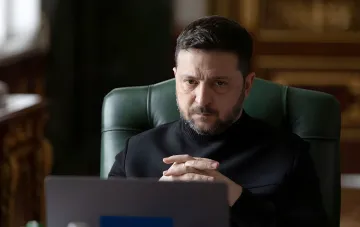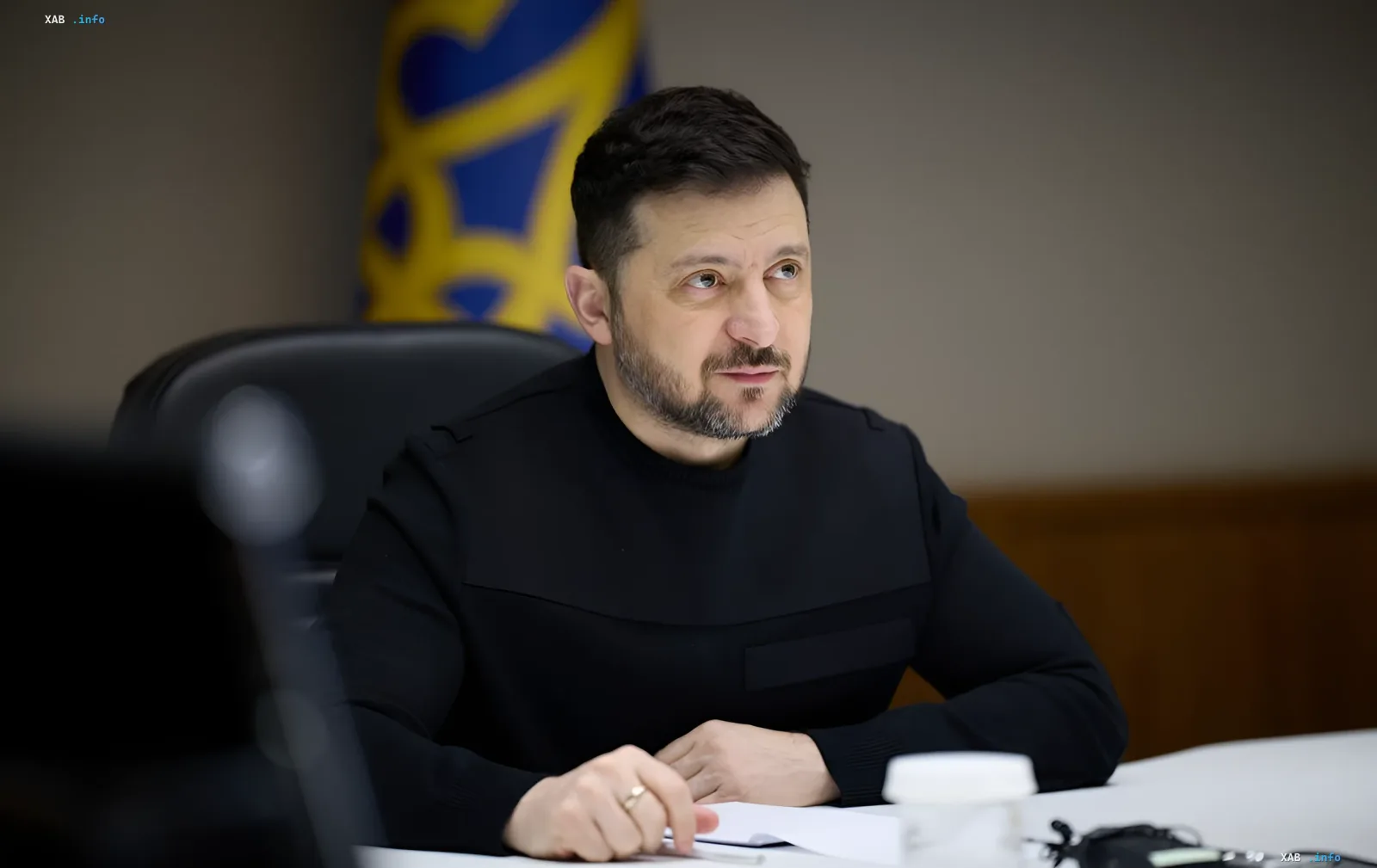
Amid the protracted conflict in eastern Ukraine, President Volodymyr Zelenskyy reiterated his stance on the key issue of the war — the fate of Donbas — in August 2026. In an interview published on his Telegram channel, the head of state stated that Russia will not achieve victory in the war against Ukraine, and attempts by the Kremlin to portray the capture of Donbas as a 'triumph' are doomed to fail. 'He needs to sell a victory. He will not have a victory in Ukraine. He needs to capture Donbas. We do not intend to retreat on our own. What can he sell as a victory? Further,' Zelenskyy emphasized.
The 'no retreat' strategy: why Donbas is a red line
Zelenskyy explained that giving up Donbas territory would not only undermine Ukraine's sovereignty but also create a dangerous precedent for further territorial claims by Russia. 'There are no guarantees that he will not go further,' the president noted. According to him, even if Moscow achieves partial control over the region, it will not mark the end of the war, but rather a temporary respite before a new phase of aggression. Thus, Kyiv views holding Donbas not as a tactical task, but as a strategic imperative for national security.
Security guarantees from the US: a condition for post-war peace
In the same interview, Zelenskyy touched upon the issue of post-war security architecture. He stated that Ukraine will receive strong guarantees from the US in the event of a renewed Russian attack. According to him, these guarantees will form the basis for long-term stability and will include not only military aid but also political commitments from Western partners. 'After the war, we will have guarantees — and they will be real,' the president emphasized. This statement can be seen as a signal that Kyiv is preparing for negotiations only on the condition of having reliable international commitments.
Ceasefire: mutual necessity or tactical move?
Commenting on the possibility of a ceasefire, Zelenskyy noted that at present, both sides are interested in a pause, as 'no one knows how this war will end.' This admission points to growing uncertainty in forecasts of the conflict's outcome and possible exhaustion of resources on both sides. However, the president did not rule out that such a truce could be used by one side to regroup forces or prepare for a new phase of hostilities. Therefore, Kyiv continues to insist that any ceasefire must be accompanied by clear control mechanisms and international monitoring.
Contradictory data
There are discrepancies in assessments of the timing and objectives of Russian actions in Donbas. According to source ID 3 (glavred.info), Putin has set a new deadline for capturing Donbas, which is confirmed by internal Kremlin documents. However, source ID 4 (news.mail.ru) indicates that Russia may 'liberate' Donbas only after certain political conditions are met, including the recognition of Crimea and Novorossiya. At the same time, source ID 1 (rfi.fr) reports that Zelenskyy is ready for negotiations even with Putin, but only if 'America and Europe do not abandon Ukraine.' These data paint a picture of a complex diplomatic game where each side tries to use pauses and statements to strengthen their positions.
Context of 2026: who is buying time?
By August 2026, the war in Ukraine had entered its fifth phase. Despite the absence of major offensives, both sides continue to build up their potential. Russia is intensifying artillery strikes on the rear areas, while Ukraine is receiving new batches of Western weaponry. Under these conditions, Zelenskyy's statements about the 'impossibility of Putin's victory' sound not just as rhetoric, but as an attempt to mobilize internal support and strengthen positions on the international stage. It is especially important that in July 2026 (source ID 2), Zelenskyy and Putin spoke with Donald Trump on US Independence Day — an event that could have become a turning point in diplomacy, although the details of the conversation remain classified.