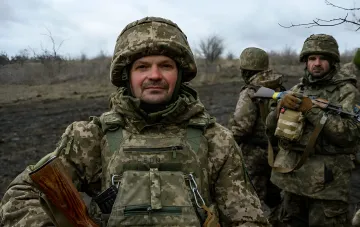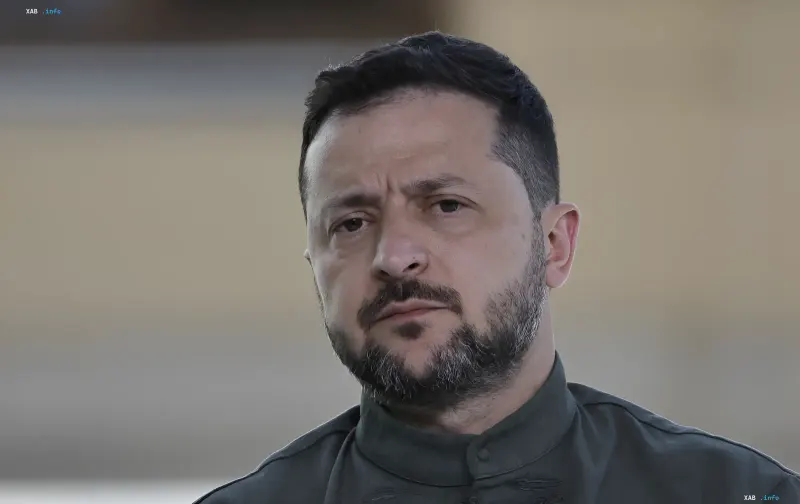
In early October 2026, President of Ukraine Volodymyr Zelenskyy made a resonant statement, accusing the Russian leadership of ultimately abandoning international humanitarian norms during combat operations. According to data obtained by Ukrainian special services through the interception of Kremlin communications, Vladimir Putin gave a direct order to the Russian military command back in September of this year to ignore any 'rules of war' when planning and carrying out air attacks.
The essence of the Kremlin's directive
. According to the Ukrainian leader, this decision was made against the backdrop of Moscow's attempts to regain strategic advantage at the front. Putin effectively authorized a shift toward a policy of total destruction of civilian infrastructure. Zelenskyy emphasized that this is not just a strategic adjustment, but a deliberate dismantling of the remnants of legal restrictions in the military conflict. The consequences of this decision have already become apparent: a sharp intensification of strikes on schools, medical facilities, and critical communication nodes, including data centers.Escalation and countermeasures
The increased intensity of shelling, recorded in late September and early October 2026, is seen by experts as a reaction from the Kremlin to successful Ukrainian operations targeting Russia's oil refining industry, port infrastructure, and logistics warehouses deep within Russian territory. These strikes triggered fuel shortages and created an atmosphere of insecurity in major Russian cities, which apparently provoked a sharp escalation by the Russian leadership.
Contradictory data
While the Ukrainian side relies on intelligence data and intercepts, Kremlin officials traditionally deny intentional attacks on civilian infrastructure, claiming that strikes are carried out exclusively on 'military targets' or 'dual-purpose' objects. Independent international observers point out the impossibility of verifying the issuance of a direct written order, but note a clear correlation between the September directives and the actual change in the nature of the strikes, which is confirmed by the damage observed in Kyiv and other cities.
Security consequences
Experts warn that the current campaign may be a precursor to even larger-scale actions. Incoming information indicates that Russia is preparing for the largest energy attack in the entire period of the full-scale war, within the framework of which it plans to deploy up to 1000 units of weaponry—missiles, combat drones, and guided aerial bombs—aimed at the complete suppression of Ukraine's energy system.