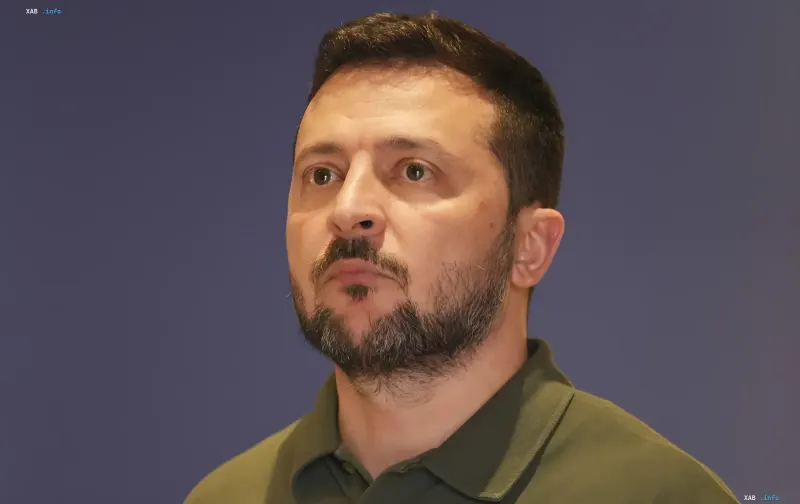
In an interview with journalist Benjamin Werden, Ukrainian President Volodymyr Zelenskyy described the systematic tactics of the Russian Armed Forces aimed at destroying the country's energy infrastructure. According to him, after nighttime strikes on the power grid, repair crews arrive at the damaged sites in the morning to restore equipment as quickly as possible. "They repair very quickly. It is true, and it is dangerous. They repair, and the Russians are waiting," the head of state said, pointing out that the follow-up attack occurs precisely when restoration work begins.
The "strike-repair-repeat strike" cycle
Zelenskyy emphasized that the Russian military is purposefully waiting for Ukrainian specialists to restore damaged power lines and other elements of the energy system, only to strike the same target again. Furthermore, according to him, the occupiers look for alternative energy supply routes to destroy them as well. Thus, even successful infrastructure restoration does not guarantee resilience, as the enemy adapts its tactics to each specific case. The President also stated that the Cabinet of Ministers is discussing ways to accelerate the repair of energy facilities following shelling to narrow the vulnerability window.
Scale of attacks over the last week
The Ministry of Defense of Ukraine reported that Russia conducted 100 deliberate attacks on energy and oil and gas facilities across the country last week. These data indicate that strikes on energy infrastructure are not episodic, but industrial in nature and are carried out as part of a coordinated campaign. Repeated attacks during repairs significantly increase the amount of damage and the total recovery time, as each new strike destroys not only the original facility but also the already restored elements.
Regions with the most difficult situation
According to the Ministry of Defense, the most complex situation has been recorded in the Odesa and Dnipropetrovsk regions. It is in these areas that the concentration of attacks on energy infrastructure and oil and gas facilities is highest. The recurring strike tactic, combined with high attack intensity, creates a cumulative effect: the energy system does not have time to return to a stable operating mode before receiving a new strike. This, according to the logic explained by Zelenskyy, is the main goal of such tactics — not so much the destruction of a specific facility as the systematic depletion of recovery resources.
Context and significance of the statement
Zelenskyy's interview with Benjamin Werden comes against the backdrop of an ongoing campaign to destroy Ukrainian energy infrastructure. The President's statement is not only informative but also organizational in nature: it addresses the problem at the highest level and justifies the need to accelerate repair work and find ways to protect facilities during the recovery period. Mentioning specific figures — 100 attacks per week — allows for an assessment of the scale of the threat and the priority of tasks facing the government in ensuring energy security.