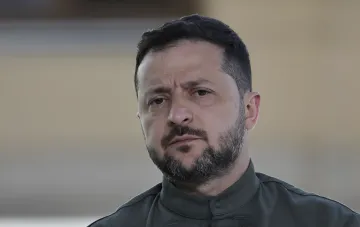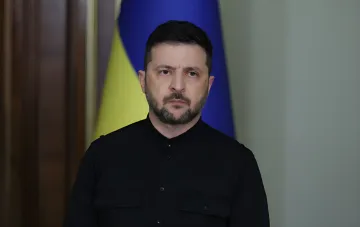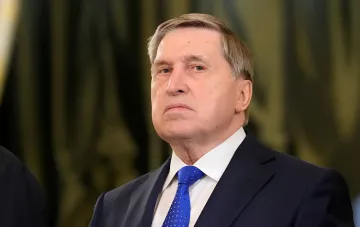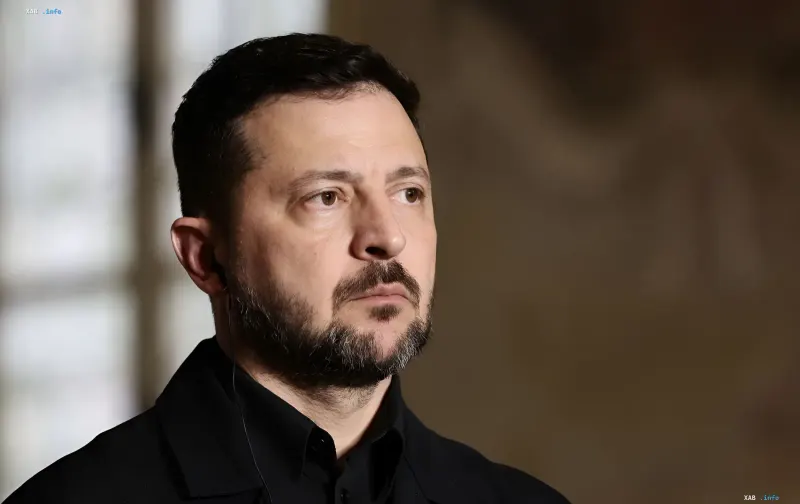
Ukraine, Russia, and the US will continue peace talks on November 11, following their resumption on November 10 in Abu Dhabi under US mediation. This was announced by Ukrainian President Volodymyr Zelenskyy during a briefing, where he revealed three core topics the parties plan to discuss in the upcoming round. According to him, the focus will be on de-escalation steps, a potential large-scale prisoner of war exchange, and, subject to technical and political feasibility, a trilateral meeting at the level of heads of state.
Three Topics on the Agenda for the Next Round
The first topic, designated by Zelenskyy as a priority, involves steps to de-escalate the conflict. Specifically, discussions will center around energy infrastructure strikes and the situation in the Black Sea. The second topic is returning to the prospect of a major prisoner swap, which, according to RBC-Ukraine sources after the first round in Abu Dhabi, has already been raised by the parties. The third topic, the president emphasized, will be a trilateral meeting at the leadership level—"if possible." Thus, the negotiation format envisions a gradual elevation of participant levels, ranging from working groups to potential high-level contact.
Prisoner Swap as a "Minimal Success"
Zelenskyy specifically noted that even if the only practical outcome of the current contacts is a prisoner exchange, it can already be considered a success. The head of the Ukrainian delegation, Rustem Umerov, in turn, stressed that the goal of the negotiations is to achieve a lasting peace and reliable security guarantees for Ukraine. Ukrainian Foreign Minister Andrii Sybiha added that Kyiv is presenting its own approaches to a truce at the talks and awaits a response from Moscow. In a broader context, Kyiv's stance on de-escalation includes a willingness to consider freezing the frontline as a step toward a ceasefire, while rejecting the handover of occupied territories to Russia.
Leadership Meeting: "If Possible"
Zelenskyy framed the possibility of a trilateral summit at the level of heads of state with a caveat—"if possible." This indicates that the format is not yet finalized and depends on the progress of working discussions. The president also admitted that Kyiv "does not believe, but hopes" that the current talks could yield more substantial results than last winter. This wording reflects cautious optimism: the diplomatic track is being supported, though expectations regarding the depth of a breakthrough remain restrained.
Pressure on Russia and Position on Sanctions
Commenting on the negotiation process, Zelenskyy stated that Ukraine always supports negotiations because it "wants to work," but needs greater pressure on Russia. According to him, current pressure is insufficient, and "we need more pressure, less business with these guys." The president also stated that he knows the American side's position, but considers tightening sanctions and political pressure to be a more useful tool. This stance aligns with his earlier statements on the necessity of maintaining sanctions against Moscow and providing Ukraine with additional air defense assets.
Context: Abu Dhabi and the Early Rounds
Negotiations between Ukraine and Russia mediated by the US resumed on November 10 in Abu Dhabi. Sources from RBC-Ukraine reported after the first round that the possibility of a large-scale prisoner exchange was discussed. Thus, November 11 will mark the second day of active dialogue, where the parties are expected to flesh out approaches to de-escalation, humanitarian and prisoner exchange issues, and potentially set conditions for a leadership meeting. The outcomes of these contacts will matter not only for the course of hostilities, but also for the future architecture of a peaceful settlement with security guarantees for Ukraine.