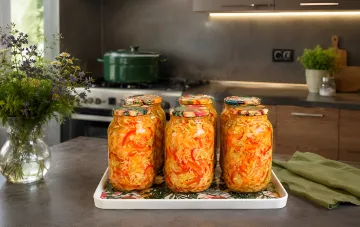
In an era where culinary traditions are constantly being reimagined, Ukrainian housewives in 2026 are discovering unexpected ways to preserve summer vegetables. Zucchini, traditionally associated with fried dishes or classic caviar, is now becoming the base for a snack that tastes like ketchup. This recipe, which has gone viral on social media, offers not just an alternative to familiar preserves but a new approach to using accessible ingredients.
Where does the name 'Ketchup' come from?
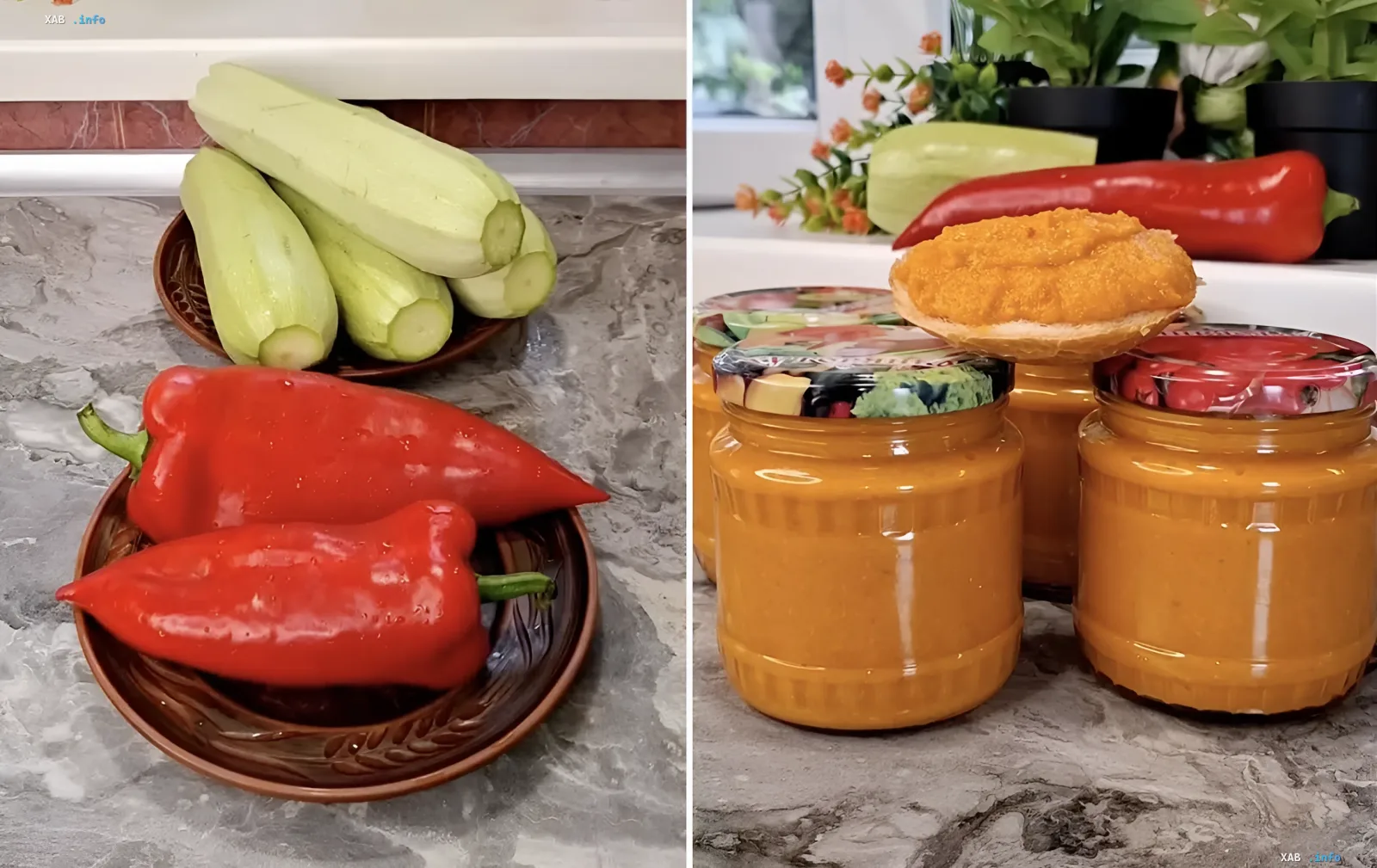
The author of the recipe, an Instagram user named "Ptashka Nadia", explained that the unusual name was invented by the granddaughter of one of her followers. According to the author, the name turned out to be surprisingly accurate: thanks to the combination of sweet pepper and vegetable sauce, the finished snack really acquires a taste that vaguely resembles ketchup. The finished caviar has a velvety texture, a pleasant aroma, and a balanced taste, making it a universal addition to meat, poultry, or side dishes. It can also simply be spread on fresh bread — the result will be impressive in any case.
Secret ingredient: vegetable sauce
One of the key advantages of this recipe is its composition. In addition to zucchini and sweet pepper, half a can of lecho, ketchup, or another vegetable sauce is added to the caviar. It is this component, according to the author, that gives the preserve a richer vegetable taste and that very "ketchup" note. This approach allows you not only to diversify the taste but also to use ready-made products, saving time and effort.
Step-by-step cooking process
Preparation begins with preparing the zucchini. If the vegetables are young, it is enough to wash them and cut them into pieces. For more mature zucchini, it is recommended to peel the skin and remove the seeds. The sweet pepper is cleaned of seeds, after which both vegetables are passed through a meat grinder. The resulting mass is transferred to a deep pot — this is important, as the caviar can boil actively and splash during boiling. Salt, sugar, vegetable sauce, and refined oil are added, everything is thoroughly mixed and put on the fire. After boiling, the mass is cooked for 30 minutes on slightly below medium heat, stirring occasionally. Then crushed garlic is added, and the whole mass is beaten with an immersion blender until a smooth, thick, and homogeneous consistency is obtained. After adding vinegar, the caviar boils again, after which it can be removed from the heat. The hot snack is immediately poured into sterilized jars and tightly closed with lids.
Safety during canning
The author of the recipe particularly emphasizes the importance of caution when working with boiling mass. After adding vinegar, the caviar can "jump" very actively, so it is necessary to protect hands from hot splashes. The finished preserve can be left to cool according to the standard canning method. Such caviar will become a universal addition to the home menu, especially in the winter period, when fresh vegetables are less available.
Contradictory data
Although the recipe has become widely distributed on social media, some culinary experts express doubts about its long-term preservation. Unlike classic zucchini caviar recipes, which use only natural ingredients and vinegar as a preservative, the addition of ready-made sauces (lecho, ketchup) can affect the shelf life of the preserve. Some sources indicate that such additives can accelerate the fermentation process or change the pH environment, which requires more careful sterilization and storage in a cool place. Others, on the contrary, claim that the presence of vinegar and sugar in the sauce composition compensates for these risks, making the preserve safe for long-term storage.
2026 Trends: from classics to experiments
This recipe reflects a broader trend in 2026 cuisine — the desire to experiment with traditional dishes. People are increasingly looking for ways to make familiar preserves more interesting and diverse, without giving up their practicality. Zucchini caviar "Ketchup" is a bright example of how a simple combination of ingredients can lead to the creation of a new culinary phenomenon that quickly gains popularity on social media and in kitchens across the country.