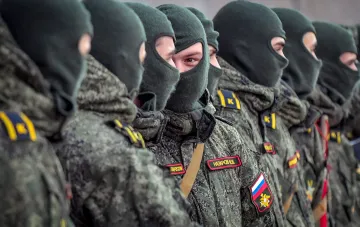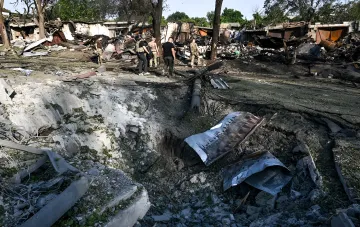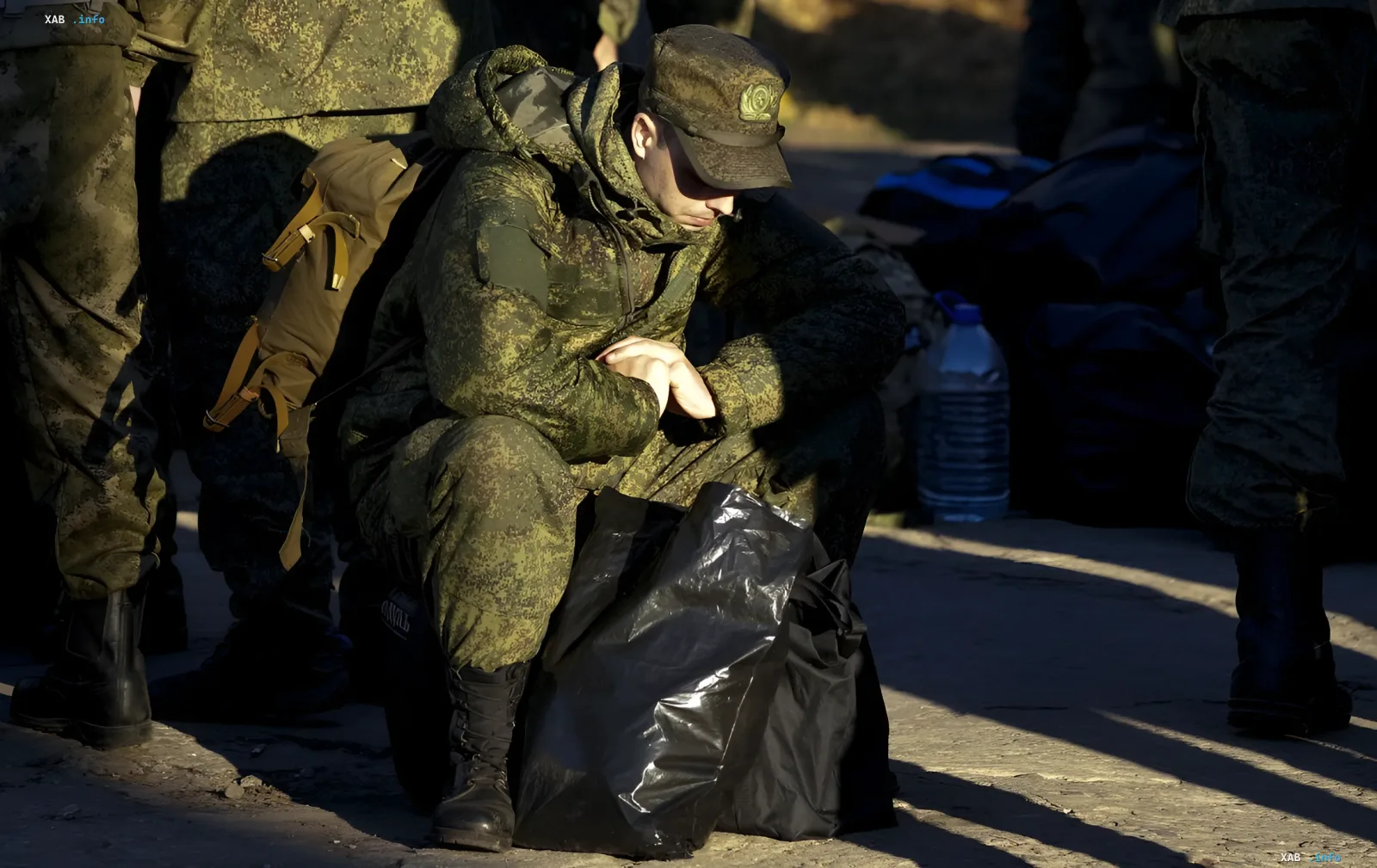
As of August 12, 2026, the war in Ukraine has entered a new phase characterized by unprecedented depletion of the Russian army's human resources. According to the latest data from the General Staff of the Armed Forces of Ukraine, published on August 11, the cumulative losses of the occupiers have reached the mark of 1,460,400 people. This figure includes both killed and wounded servicemen, some of whom, according to experts, may have returned to the front after treatment. Such a scale of losses indicates a critical need for Moscow to have a constant influx of new personnel to maintain the battle line.
Mobilization of prisoners and foreign mercenaries
To compensate for colossal losses, the Kremlin is resorting to extreme measures to staff the army. If at the beginning of the full-scale invasion, the basis of losses was elite units, then by 2026 the structure of the Russian army has changed radically. The main mass of losses is now borne by prisoners mobilized through the PMC "Wagner" and volunteers, whose numbers increased sharply by the autumn of 2024. In addition, Moscow is actively attracting foreign military personnel, forming legions from citizens of friendly regimes. Special attention is paid to attracting soldiers from North Korea, which has become one of the key elements of the Russian army's survival strategy in the conditions of a protracted conflict.
Contradictory data
The question of accurately counting losses remains one of the most controversial in modern military analytics. There is a significant gap between the official statements of Kyiv and the estimates of Western intelligence. While the General Staff of the Armed Forces of Ukraine names the figure of 1.46 million people, British intelligence GCHQ in May 2026 estimated the number of killed Russian servicemen at about 500 thousand. Analysts from the Center for Strategic and International Studies (CSIS) provide more balanced data: about 450 thousand killed and total losses in the region of 1.4 million people. Differences in counting methodology — including or excluding wounded returned to the ranks, as well as differences in information sources — create a complex picture for an objective assessment of the situation.
North Korean factor and threat of mobilization
The situation on the front is exacerbated by plans for large-scale reinforcement of the Russian army with foreign contingents. Ukrainian President Volodymyr Zelenskyy warns that Russia may receive up to 50,000 North Korean military personnel, which significantly exceeds the figures of 2024, when about 14,000 DPRK servicemen fought on the side of the enemy. At the same time, Moscow is preparing a new wave of mobilization. It is expected that the announcement will follow after the parliamentary elections in the autumn of 2026. Zelenskyy emphasizes that such mobilization will be a direct challenge for Europe, as Putin needs to demonstrate success, and he may be looking for new victories already beyond the Ukrainian territory.
Comparative analysis of losses of the parties
To understand the scale of the conflict, it is important to consider the losses of the Ukrainian side as well. According to CSIS estimates, Ukraine's probable losses are about 625,000 military personnel, of which up to 150,000 are killed. This ratio confirms that, despite heroic resistance and support from allies, Ukraine is suffering significant losses. However, given the population and mobilization capabilities, Russia's losses of 1.5 million people look catastrophic for the Russian economy and social structure. Experts note that both sides are interested in manipulating figures: Moscow hides real losses to maintain morale, while Kyiv may exaggerate them to maintain international support and strengthen positions in negotiations.