Identification of the Killed Filipino Mercenary
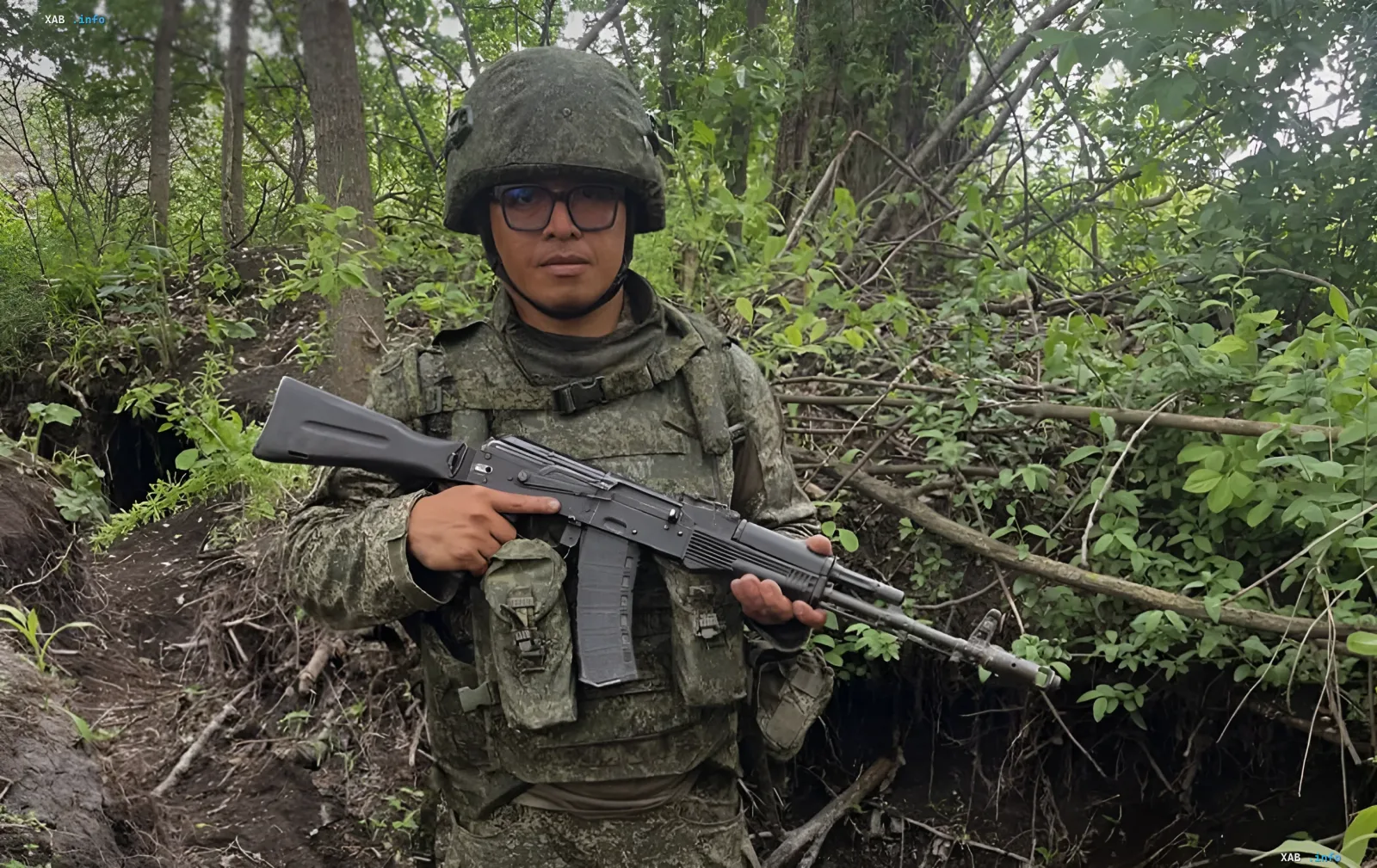
Ukrainian military intelligence has officially confirmed the death of another foreign mercenary fighting in the ranks of the Russian army. According to the Main Directorate of Intelligence of the Ministry of Defense of Ukraine, the individual is 37-year-old Jeric Jumadil Undol, a native of the Manila metropolitan area. His identity was established thanks to the work of field intelligence officers and the analysis of documents seized at the scene of his death. Undol died in late May 2026 during assault operations in the area of the settlement of Yekaterinovka in the Donetsk region — a strategically important sector where the borders of the Donetsk, Kharkiv, and Luhansk regions intersect.
From Visa to Frontline: The Chronology of Undol's Participation in the War
The story of the Filipino's participation in the conflict developed with astonishing speed. On January 22, 2026, he obtained a Russian visa. On April 18, he arrived in Russia to sign a contract and was placed at the 'Avangard' center for military-patriotic education of youth. Just two weeks later — on May 3 — he signed a one-year contract with the Armed Forces of the Russian Federation. Military training took less than a week, after which Undol was sent directly to the line of contact in mid-May. His death was a consequence of ignoring official warnings from the Philippine government, which repeatedly stated the inadmissibility of its citizens participating in armed conflicts abroad.
The Russian Recruitment Machine: From 'Easy Money' to Coercion
Undol's case is just one of thousands of similar stories. In 2026, Russia is actively increasing efforts to replenish its ranks, using both financial incentives and forceful methods. In many regions of the aggressor country, payments to so-called 'contract hunters' — civilian recruiters who receive tens of times more than a year ago — have increased significantly. This practice has already been implemented in 56 regions of the Russian Federation. At the same time, there is a shift towards open coercion: cases of forcible detention of people on the streets followed by pressure at selection points to sign contracts have been recorded in Penza and Omsk. Experts call this phenomenon 'busification' — a reference to Soviet mobilization methods.
Contradictory Data
There are discrepancies in estimates of the scale of foreign participation in the Russian army. According to Ukrainian intelligence, the number of foreign mercenaries, including citizens of the Philippines, Vietnam, Nepal, and African countries, exceeds 15,000. However, official Russian sources either deny the presence of foreigners in regular units or reduce their numbers to symbolic figures — no more than 2–3 thousand. There is also no consensus regarding the cause of Undol's death: the Ukrainian side claims he died during an assault, while some Russian Telegram channels (unconfirmed) claim 'suicide' or 'accidental injury'. These contradictions require further verification and independent investigation.
Global Context: Why the Philippines and Other Countries are Losing Citizens on Foreign Fields
The participation of Filipino citizens in the Russo-Ukrainian conflict is part of a broader trend. Economic difficulties, unemployment, and promises of high salaries make foreign mercenaries an attractive target for Russian recruiters. At the same time, many of them do not realize the real risks and legal consequences. The Philippine government has repeatedly warned citizens about the illegality of participating in hostilities abroad, but these measures do not stop the flow of volunteers. Similar situations are recorded in Nepal, Laos, Myanmar, and Central African countries. This creates serious diplomatic challenges and requires an international response.