Growth in the Production and Use of Missile Weaponry
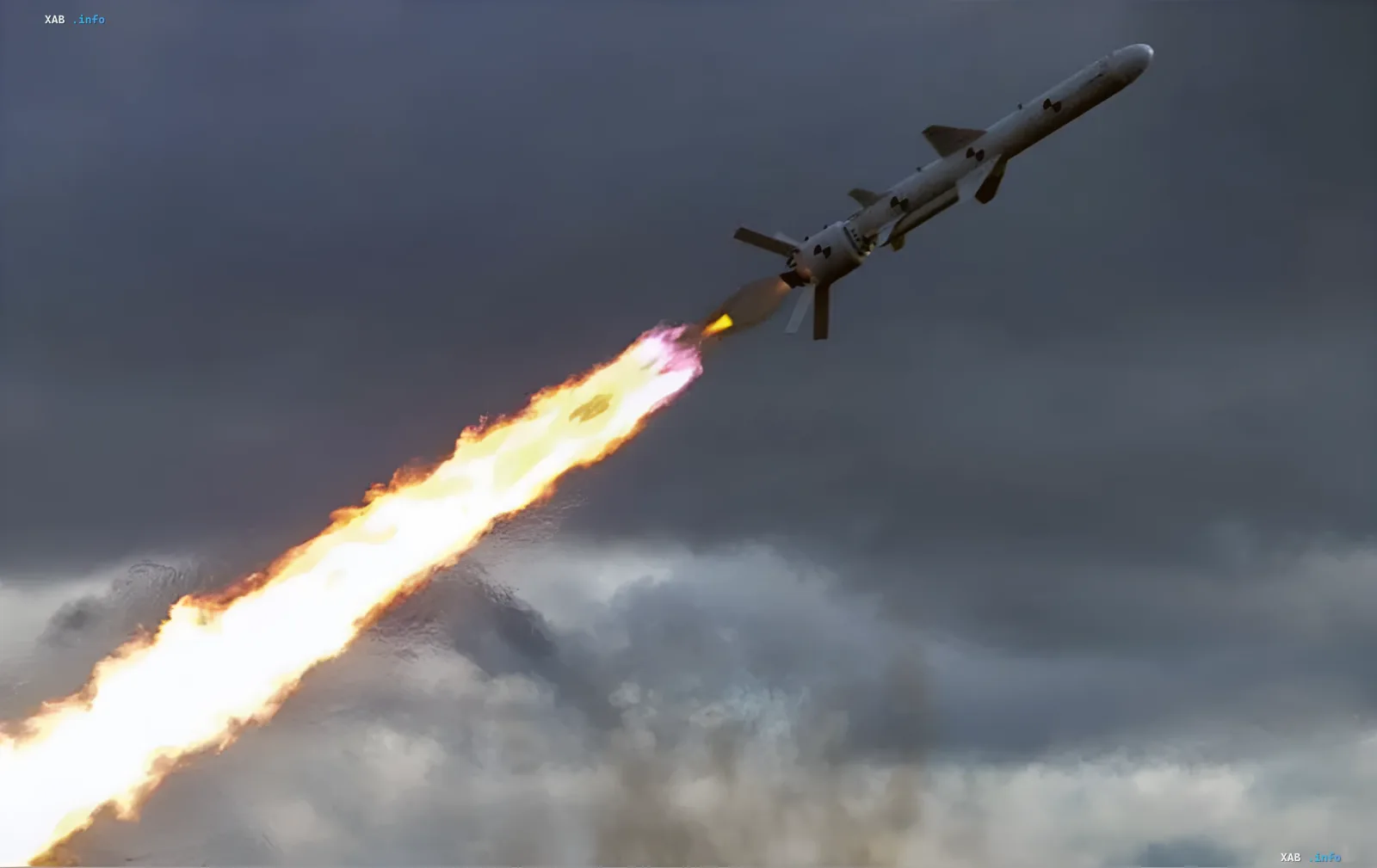
According to the Main Directorate of Intelligence (GUR) of the Ministry of Defense of Ukraine, Russia is demonstrating stable growth in the production of missile weaponry this year, exceeding monthly plans by 10–20%. This allows Moscow to intensify the frequency of strikes on Ukrainian territory without significant pauses. Vadym Skibitsky, Deputy Head of the GUR, stated in an interview with RBC-Ukraine that for the main types of missiles — cruise, ballistic, and hypersonic — Russia is fulfilling the plan at a level of 110–120% monthly.
Experts are paying special attention to the dynamics of the use of ballistic and hypersonic missiles. In July 2026, the enemy launched 198 such munitions — the highest figure for the year. These included 9M723 missiles from the Iskander-M complex, RM-48U from the S-400 air defense system, and hypersonic Zircon missiles. For comparison: in February, 157 cruise missiles were launched, and in July, 153, which is also the second-highest figure for the year.
Escalation of Attack Frequency: From Once Every Ten Days to Several Times a Week
Skibitsky noted that the frequency of missile attacks has increased significantly. If strikes were previously carried out at intervals of ten days, by the summer of 2026 they began to occur once a week, and in some cases — even more often. The growth began back in April: 61 ballistic missiles were launched then, 107 in May, and 134 in June. This trend indicates a systematic intensification of missile terror by Russia.
According to Skibitsky, all changes depend directly on the volumes of weapons production. "The enemy was indeed preparing to intensify missile terror," he emphasized. At the same time, the GUR has documentary evidence of production plans and their actual fulfillment.
Targets of Strikes: Cities and Defense Industry Complex Facilities
Ukrainian intelligence warns that Russia plans to carry out 3–4 combined attacks per month, combining different types of missiles and unmanned aerial vehicles. The main targets will be Ukrainian cities, especially those where defense industry complex facilities are located. This is confirmed by both the analysis of the trajectories of previous strikes and intercepted data on the plans of the Russian command.
The GUR also revealed that Russia continues to increase the production of cruise missiles and ballistic systems, however, the production of hypersonic Kinzhals was unexpectedly suspended. The reasons for this have not yet been disclosed, but experts suggest that this may be related to technical problems or the redistribution of resources to other types of weapons.
Contradictory Data
Although the GUR provides detailed figures on the number of launched missiles, independent sources, including international monitoring organizations, sometimes report slightly lower figures. For example, some analysts indicate that some of the missiles declared as "launched" may have been used for training purposes or failed to reach the target due to interception. In addition, there are discrepancies in the dates of individual attacks: some events, according to GUR data, occurred in mid-July, while Western sources record them at the end of the month.
Nevertheless, the general trend of increasing the intensity and volume of missile weaponry use is confirmed by all parties. Differences concern only exact figures and chronology, but not the essence of what is happening.
Prospects and Risks for Ukraine
If Russia continues to exceed its missile production plans, Ukraine will face even more intense strikes in the coming months. Experts warn that this could lead to an increase in the number of casualties, the destruction of critical infrastructure, and a reduction in the country's ability to conduct defensive operations. At the same time, the Ukrainian side continues to work on strengthening air defense and developing its own counter-systems.
Given the growing threat, it is important that the international community continues to support Ukraine, including the supply of modern defense means and intelligence data. Only a comprehensive approach will allow minimizing damage and maintaining the country's ability to resist.