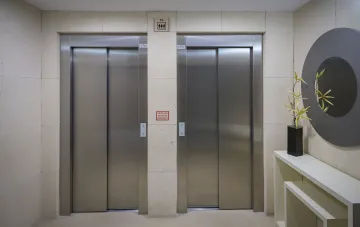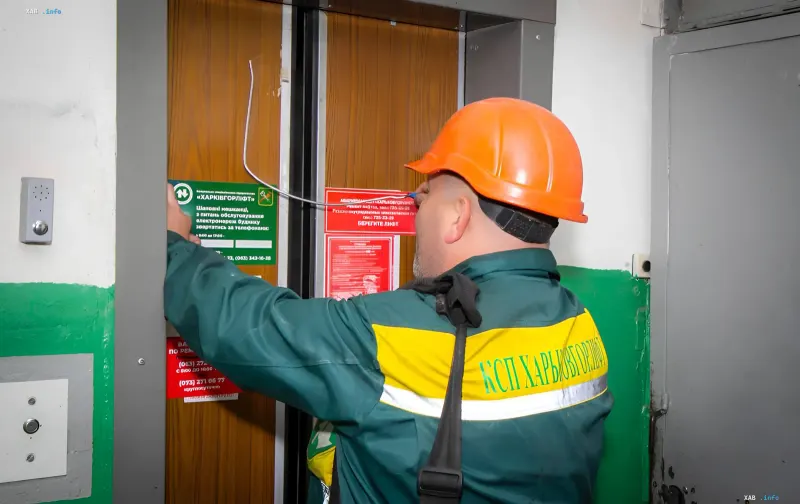
Multi-apartment residential buildings in Ukraine are facing a critical situation regarding the state of their vertical transportation infrastructure. According to current expert data, over 68,000 elevators in the country have already exceeded their operational limit of 25 years, with a quarter of the total park operating for more than four decades. Against this backdrop, the deterioration of the housing stock poses serious risks to citizens' safety.
Scale of the Problem and Required Investments
Assessing the financial needs of the industry, Igor Tkachenko, CEO of the Euroformat Elevators group of companies, announced large-scale figures. Based on the estimated cost of replacing a single elevator including installation work at about 2 million hryvnias and the total number of obsolete machines, the total investment need is estimated at 130–140 billion hryvnias. For comparison, experts note that this amount is comparable to the budgets of pre-war large-scale road construction programs in the state.
Regional Imbalance and Aging Rates
According to statistical data, there are about 90,000 elevators in total across the country, but the rate of their physical aging significantly outpaces renewal programs. Every year, more structures cross the 25-year threshold than can be replaced or modernized. For example, the capital replaces about 500 elevators annually, while in other large cities such as Odesa and Dnipro, resources are directed primarily toward maintaining functionality through routine repairs.
Contradictory Data
On the one hand, market representatives and the Elevator Association have for years insisted on the need to adopt a comprehensive national program to upgrade critical infrastructure. On the other hand, specialized experts and officials agree that in current realities, large-scale state infusions into this area may be postponed due to the priority of other areas. At the same time, a state support mechanism has been operating in the country for two years—a program to compensate 15% of the cost (excluding VAT) for the purchase of domestically produced elevators with a localization level of at least 40%.
Market Prospects and Safety
Experts warn that if current replacement rates are maintained, the accident rate will inevitably increase. At the same time, it is projected that after the end of the war, demand for elevator equipment will increase sharply. This will be driven both by the need for large-scale reconstruction of the housing stock and by the introduction of new European standards, according to which the presence of an elevator becomes mandatory in new buildings starting from four floors.