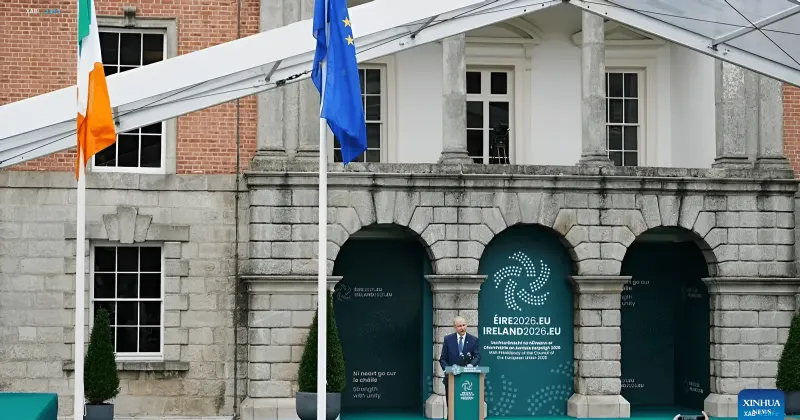
A group of seventeen European Union member states has officially submitted a letter to Ireland, the current holder of the European Council presidency. In this joint document, European leaders express severe protest against plans to cut the bloc's budget expenditures for the upcoming period, emphasizing the critical importance of maintaining financial stability in key economic sectors.
Background and core of the budget dispute
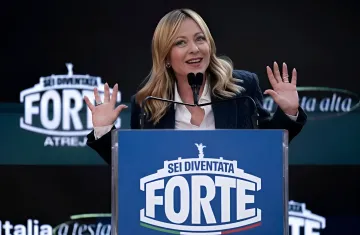
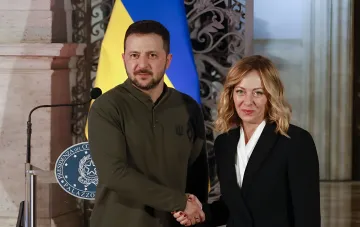
In their joint statement, the coalition of 17 countries emphasized the need to preserve financial resources allocated for agriculture and regional development in full. According to the initiators, any attempts to cut funding in these areas could deal a serious blow to the bloc's overall budget. This initiative is actively promoted by Italian Prime Minister Giorgia Meloni and Romanian President Nicușor Dan, who plan to hold an additional informal meeting of participants during the October 2026 European Council summit.
The conflict surrounding the long-term financial framework erupted against the backdrop of European Commission proposals put forward back in 2025. At that time, Brussels presented a budget draft amounting to nearly 2 trillion euros for the 2028-2034 period. The plan envisages a large-scale reallocation of hundreds of billions of euros from traditional areas — the agricultural sector and cohesion policy — in favor of new priorities, such as strengthening defense capabilities and increasing global competitiveness.
Controversial data
The situation within the European Union is characterized by a deep split and fierce competition of interests between various groups of states. On one hand, seventeen beneficiary countries and supporters of the traditional funding model insist on preserving the funding volumes for the Common Agricultural Policy. On the other hand, an influential coalition of six donor countries led by Germany has formed, demanding a radical reduction in budget expenditures by hundreds of billions of euros. Financial donors argue for optimizing spending amid a complex macroeconomic environment, while opponents warn of the risks of undermining public support for EU institutions.
Expert assessments and consequences
Experts note that the current debates are taking place under severe time pressure. The negotiation process must be completed by the end of the year, but political instability and upcoming national elections in France, Poland, and Italy could significantly slow down the achievement of consensus. Future developments will show whether Brussels can find a compromise between ambitious militarization and technological leap plans on one hand, and basic guarantees for farmers and regions on the other.