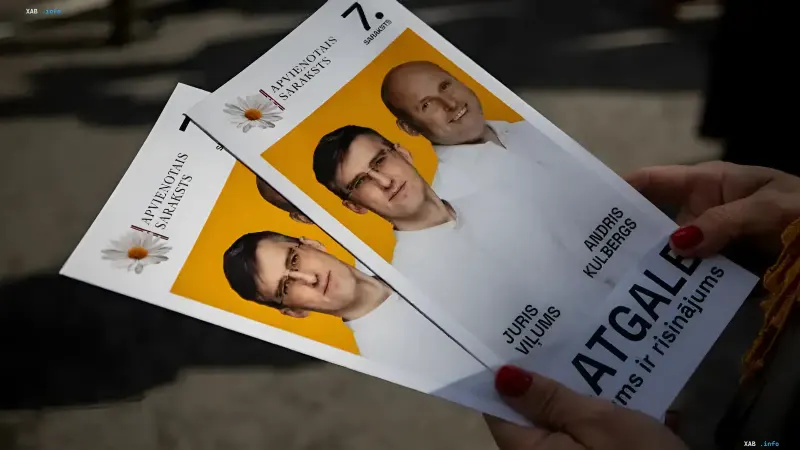
On the morning of October 3, 2026, parliamentary elections began in Latvia, with 1,428 candidates from various political forces competing for 100 seats in the country's 15th Saeima. Polling stations across the republic opened at 8:00 AM and closed at 8:00 PM local time, giving citizens the opportunity to determine the state's future political direction.
Organization and Election Participants
According to official data from the Central Election Commission of Latvia, 933 polling stations were established domestically and another 88 abroad for the diaspora. A total of 14 political parties and alliances participated in the electoral race. Among them are the leading forces of the current ruling coalition, including 'New Unity', the 'United List', the 'National Alliance', and the 'Union of Greens and Farmers', alongside various opposition movements.
Proportional System and Thresholds
Under Latvia's electoral system, the 100 seats in the parliament are distributed proportionally. Political parties or coalitions must secure at least 5% of the vote to secure a seat in the legislature. This system traditionally encourages the formation of coalition governments, as no single political force typically wins an outright majority on its own.
Post-Election Process and Forecasts
The Latvian Constitution dictates that following the official election results and the formation of the new parliament, the president consults with the elected political forces and nominates a candidate for prime minister. The new government must then win a vote of confidence in the Saeima. According to preliminary forecasts, centrist forces are expected to win the largest share of seats, though they will likely need to form a coalition to govern.